

 English
 中文简体
中文简体Content
The Essential Dynamics of Heat Exchange in Industrial Refrigeration
In any vapor-compression refrigeration cycle, the evaporator and the condenser serve as the two critical pillars of thermal management. While they operate on opposite ends of the pressure spectrum, their synergy dictates the system's overall efficiency. The evaporator is responsible for absorbing heat from the target medium—be it air, water, or process chemicals—causing the refrigerant to boil and turn into gas. Conversely, the condenser rejects that accumulated heat into the environment, transitioning the refrigerant back into a liquid state. For industrial applications, managing this exchange effectively can reduce energy overheads by as much as 20% to 30% annually.
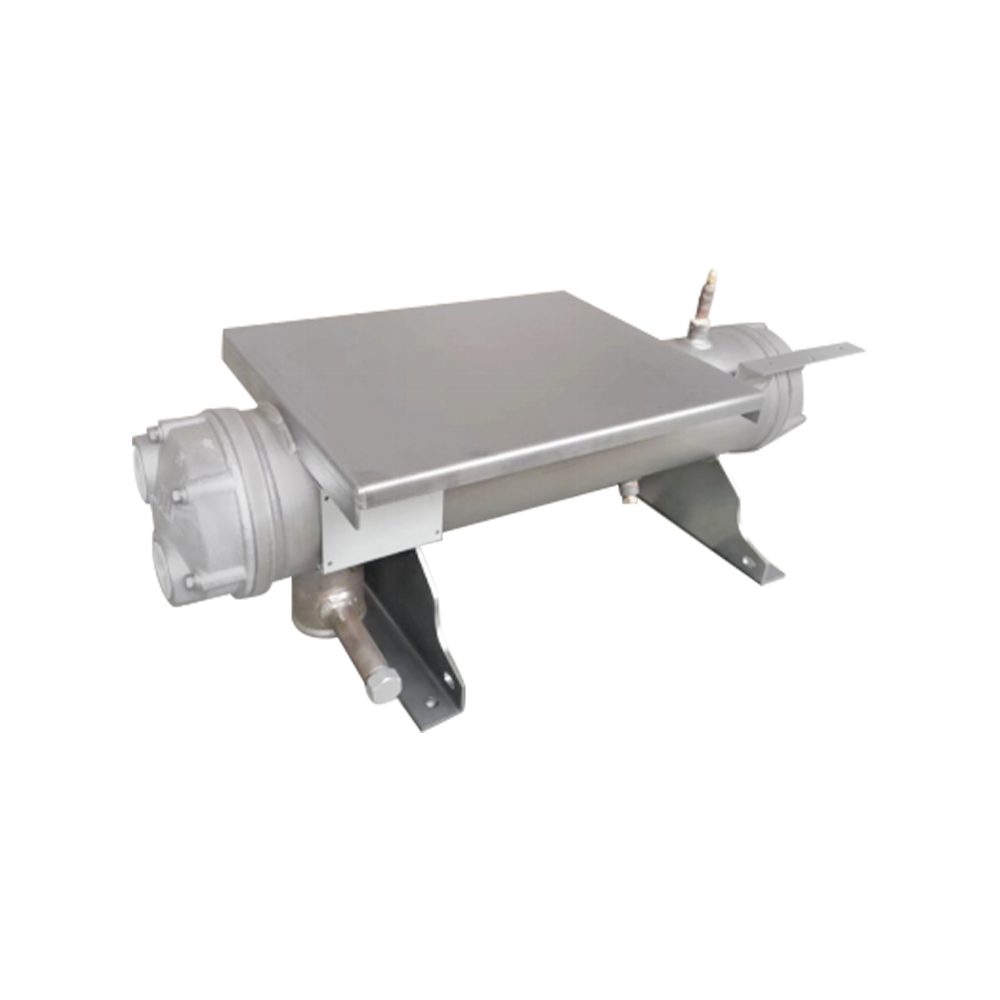
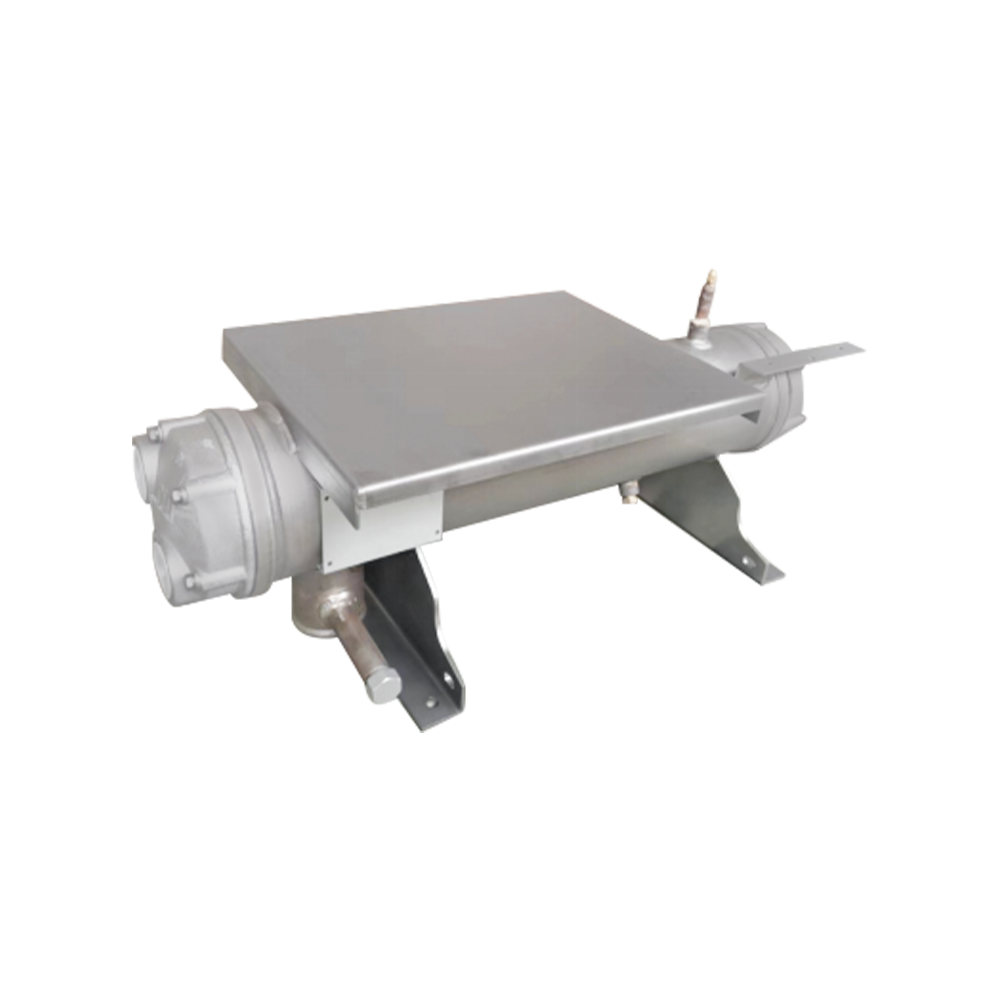
Selecting high-performance components is not merely about capacity; it is about matching the phase-change characteristics of the refrigerant with the thermal properties of the secondary fluid. Modern designs prioritize high heat-transfer coefficients and low pressure drops. For instance, a well-engineered shell and tube evaporator can maintain a narrow "approach temperature," allowing the system to operate at higher suction pressures, which significantly lowers the compressor’s work ratio and extends the equipment's lifespan.
Comparative Analysis: Evaporators vs. Condensers
While both units are heat exchangers, their design specifications differ due to the nature of the phase change occurring within them. Understanding these nuances is vital for procurement and maintenance teams to ensure system balance and prevent bottlenecks in the refrigeration cycle.
| Feature | Evaporator | Condenser |
|---|---|---|
| Primary Function | Heat Absorption (Cooling) | Heat Rejection (Heating) |
| Refrigerant State | Liquid to Gas (Boiling) | Gas to Liquid (Condensing) |
| Operating Pressure | Low Pressure (Suction side) | High Pressure (Discharge side) |
| Typical Design | DX or Flooded Shell & Tube | Water-Cooled or Evaporative |
Engineering Standards and Material Durability
Both evaporators and condensers are classified as pressure vessels and must adhere to stringent manufacturing codes to ensure operator safety and operational continuity. High-quality units are typically built according to GB150.1-2011 and GB151-2014 standards, which dictate the thickness of the shell, the quality of the welds, and the types of materials allowed for different refrigerants. Using substandard materials can lead to stress corrosion cracking, especially in systems utilizing ammonia (R717) or high-pressure synthetic refrigerants like R410A.
The Importance of Enhanced Tube Geometry
To maximize heat transfer without increasing the physical footprint of the equipment, manufacturers utilize internally enhanced tubes. In evaporators, "internally rifled" or "micro-fin" tubes create turbulence in the refrigerant, preventing the formation of a stagnant vapor layer that inhibits boiling. In condensers, specialized tube surfaces help the condensed liquid film drain away more quickly, ensuring that more of the tube surface remains available for gas-to-liquid contact. This technology allows for a 15% to 25% increase in heat transfer efficiency compared to smooth-bore tubes.
Common Challenges: Fouling and Oil Management
Even the most advanced heat exchanger will fail to meet its rated capacity if operational variables are not controlled. Two of the most significant performance killers in evaporators and condensers are scale buildup (fouling) and oil logging. In water-cooled condensers, mineral deposits from hard water can form an insulating layer only 0.5mm thick, yet this is enough to reduce heat transfer efficiency by nearly 30%.
Effective management strategies include:
- Implementing high-efficiency oil separators to prevent compressor oil from coating the evaporator tubes.
- Installing automatic tube cleaning systems or maintaining a strict chemical water treatment regimen for condensers.
- Ensuring proper refrigerant charge to avoid "starving" the evaporator or "flooding" the condenser.
Maintenance Protocol for Long-Term Reliability
To safeguard your investment, a proactive maintenance schedule is non-negotiable. Because these components operate under high pressure and temperature differentials, thermal stress can eventually lead to material fatigue. Regular inspections ensure that the unit remains compliant with safety regulations while operating at peak thermodynamic efficiency.
- Quarterly Leak Detection: Use electronic halogen detectors to check all brazed and flanged joints, as even a 5% refrigerant loss can lead to a significant drop in cooling capacity.
- Annual Tube Inspection: Utilize eddy current testing to identify internal pitting or erosion before a tube rupture occurs.
- Pressure Relief Valve (PRV) Certification: Ensure all safety valves are calibrated and not obstructed, as per NB/T47012-2020 guidelines for refrigeration pressure vessels.
- Water Side Cleaning: Mechanically brush condenser tubes annually to remove biological slime and scale that chemical treatments might miss.
By understanding the distinct roles and maintenance needs of both evaporators and condensers, facility operators can ensure their refrigeration systems provide consistent, safe, and cost-effective cooling for decades. The integration of high-quality components is the first step toward a sustainable industrial operation.