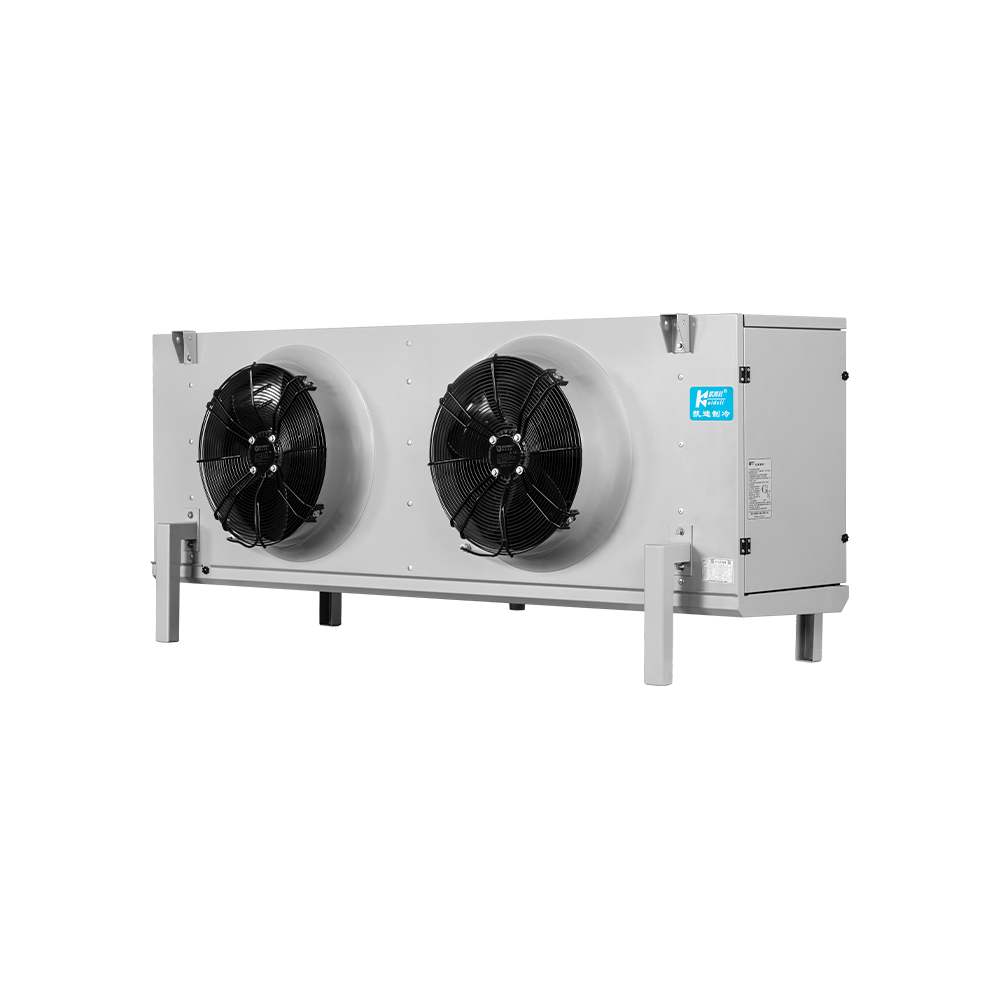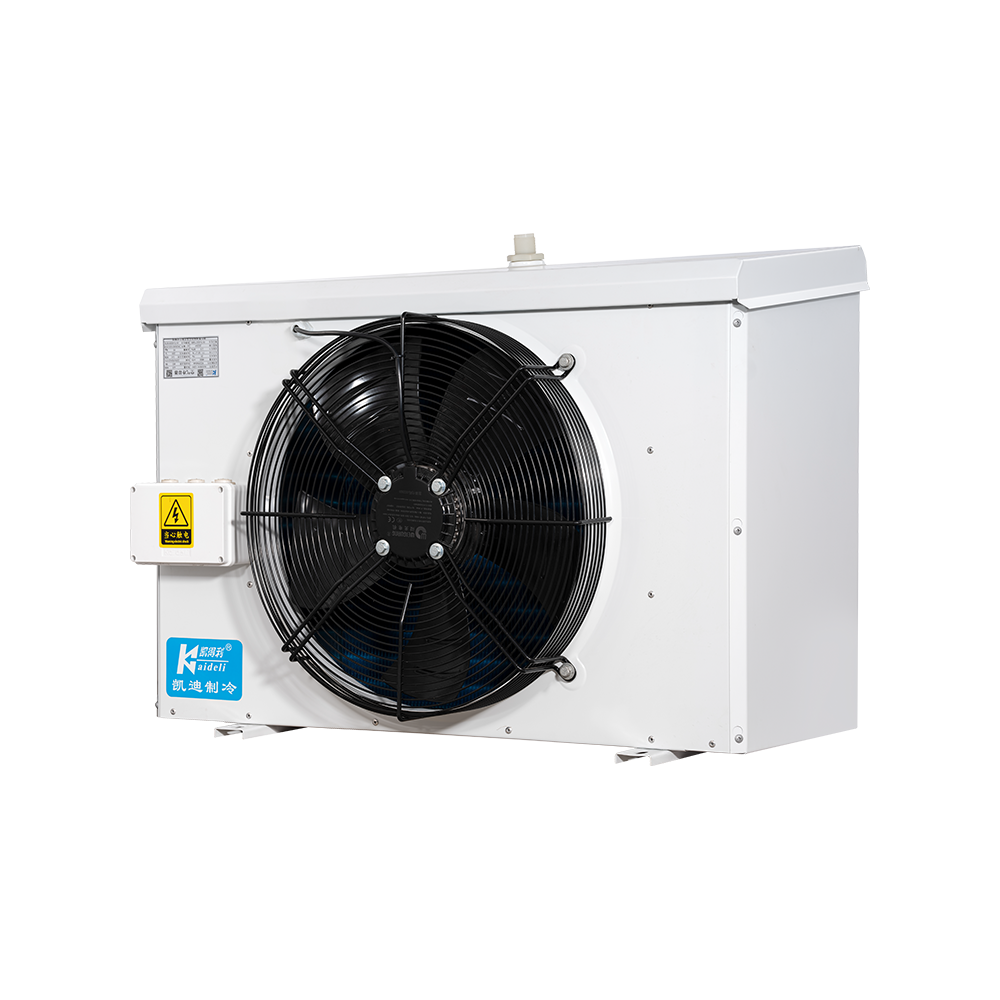


 English
 中文简体
中文简体Content
- 1 Understanding High Temperature Refrigeration Systems
- 2 Core Components of Industrial Refrigeration Equipment for High Temperature Use
- 3 Key Applications Across Industries
- 4 Load Calculation Basics for High Temperature Systems
- 5 Energy Efficiency Considerations
- 6 Common Refrigerants Used in High Temperature Systems
- 7 Controls, Automation and Remote Monitoring
- 8 Airflow and Humidity Management
- 9 Maintenance Best Practices for High Temperature Refrigeration Equipment
- 10 Common Operating Issues and Practical Fixes
- 11 Installation and Site Planning Considerations
- 12 Retrofitting and Upgrading Older Systems
- 13 How to Select the Right High Temperature Refrigeration System
- 14 Seasonal Operating Considerations
- 15 Cost Factors to Consider
- 16 Frequently Asked Questions
- 16.1 What temperature range defines high temperature refrigeration?
- 16.2 How is high temperature refrigeration different from freezing systems?
- 16.3 How often should industrial refrigeration equipment be serviced?
- 16.4 Can one system serve both high and medium temperature zones?
- 16.5 What is the biggest factor in refrigeration energy costs?
- 16.6 Do high temperature systems always need defrost cycles?
- 16.7 How long does high temperature refrigeration equipment typically last?
- 16.8 Is remote monitoring worth adding to an existing system?
High temperature refrigeration refers to mechanical cooling systems that maintain evaporator temperatures roughly between 25°F and 55°F (-4°C to 13°C), making it the standard choice for walk-in coolers, beverage storage, dairy handling, produce holding, and general commercial cold storage. Unlike medium or low temperature refrigeration, which targets freezing or sub-freezing ranges, high temperature refrigeration is built around moderate cooling loads, shorter compressor run cycles, and lower compression ratios, which typically translate into better energy efficiency and simpler maintenance profiles.
This guide covers how high temperature refrigeration works, the components that make up modern industrial refrigeration equipment, typical operating ranges, load calculation basics, refrigerant choices, controls and automation, airflow and humidity management, energy considerations, installation planning, retrofitting strategies, and practical maintenance guidance for facility operators and procurement teams evaluating a system.
Because high temperature refrigeration touches so many industries, from food distribution to pharmaceuticals, the decisions made at the design stage tend to have consequences that last for the entire operating life of the equipment, often fifteen to twenty years or more. Understanding the fundamentals before specifying or purchasing equipment helps avoid costly oversizing, undersizing, and premature component failure.
Understanding High Temperature Refrigeration Systems
High temperature refrigeration systems are engineered to remove heat from a space or product while keeping the internal temperature above freezing. The compressor in these systems operates at a comparatively low compression ratio because the difference between the evaporating temperature and the condensing temperature is smaller than in low temperature applications. This means the compressor works less hard per unit of cooling delivered, which is one of the primary reasons high temperature systems generally consume less energy per ton of refrigeration than their low temperature counterparts.
A typical high temperature circuit includes a compressor, condenser, expansion device, and evaporator, arranged in a closed loop. Heat absorbed from the refrigerated space is carried by the refrigerant to the condenser, where it is rejected to outside air or a water loop. The cycle repeats continuously, with controls modulating capacity to match the actual heat load rather than running at full output at all times.
The thermodynamic cycle underlying high temperature refrigeration is the same basic vapor-compression cycle used across the refrigeration industry, but the operating envelope is narrower and more forgiving. Suction pressures stay relatively close to atmospheric pressure, which reduces stress on seals, gaskets, and compressor bearings compared with the deep vacuum conditions found in low temperature freezing applications. This is one reason high temperature compressors, when properly maintained, often outlast compressors used in freezer service.
Another defining characteristic of high temperature refrigeration is the frequency of defrost cycles, or in many cases the near absence of them. Because evaporator coil temperatures usually stay above the frost point, many high temperature systems can run with off-cycle defrost alone, relying on the natural warming that occurs when the compressor is not running rather than electric or hot-gas defrost heaters. This further reduces the parasitic energy load compared with medium and low temperature systems, where scheduled defrost cycles consume a meaningful share of total electricity use.
| Classification | Typical Evaporator Range | Common Use Case |
|---|---|---|
| High Temperature | 25°F to 55°F | Walk-in coolers, dairy, beverage storage |
| Medium Temperature | 0°F to 25°F | Meat processing, some produce handling |
| Low Temperature | -40°F to 0°F | Frozen storage, blast freezing |
Core Components of Industrial Refrigeration Equipment for High Temperature Use
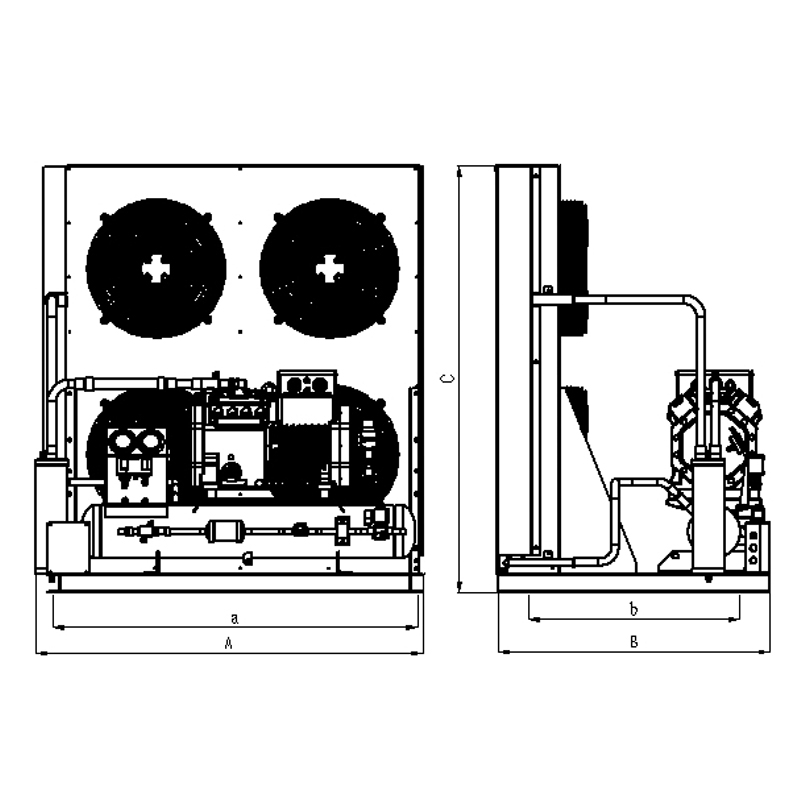
Industrial refrigeration equipment built for high temperature service is made up of several distinct subsystems, each contributing to overall reliability and efficiency. Understanding these parts helps facility managers evaluate proposals and diagnose problems more accurately.
Compressors
Reciprocating and scroll compressors are the most common choices for high temperature loads, particularly in the small to mid capacity range. Scroll compressors are frequently favored for their fewer moving parts, quieter operation, and stable performance across partial load conditions, which are common in high temperature applications where door openings and product loading create fluctuating heat gains. For larger facilities, screw compressors and multiplex rack systems allow several evaporator zones to share a common compressor bank, improving overall part-load efficiency.
Condensers
Air-cooled condensers dominate high temperature refrigeration installations because the moderate condensing temperatures involved do not typically justify the added complexity of evaporative or water-cooled condensing. Proper condenser sizing and unobstructed airflow are essential, since undersized or dirty condensers raise head pressure and reduce compressor life. In warmer climates, some facilities specify adiabatic pre-cooling pads ahead of the condenser coil to lower entering air temperature during peak summer conditions.
Evaporators and Expansion Devices
Thermostatic expansion valves remain the standard metering device for most high temperature systems, though electronic expansion valves are increasingly specified where tighter temperature control and remote diagnostics are desired. Evaporator coils are typically finned-tube designs with fan-forced airflow to promote even temperature distribution throughout the refrigerated space.
Piping, Insulation and Line Sets
Refrigerant piping between the condensing unit and evaporator must be sized correctly for the expected system capacity and line length, since undersized piping increases pressure drop and oversized piping can cause oil return problems, particularly on longer vertical runs. Suction lines are insulated to prevent condensation and to limit heat gain before the refrigerant reaches the compressor, which protects compressor efficiency and prevents nuisance sweating on exposed piping runs.
Sensors, Controllers and Safety Devices
Modern high temperature refrigeration equipment relies on temperature sensors, pressure transducers, and programmable controllers to regulate compressor staging, fan cycling, and defrost timing. High and low pressure safety switches, along with overload protection on compressor motors, are standard safeguards that prevent equipment damage during abnormal operating conditions such as blocked condensers or refrigerant loss.
Key Applications Across Industries
High temperature refrigeration equipment supports a wide range of commercial and industrial processes where products must be kept cool but not frozen. The following list summarizes the sectors that rely most heavily on this equipment category.
- Food and beverage distribution centers holding perishable inventory before shipment
- Dairy processing facilities storing raw milk and finished products
- Fresh produce packing houses managing post-harvest cooling
- Pharmaceutical and biotech cold rooms requiring stable moderate temperatures
- Brewery and beverage manufacturing tank rooms and fermentation cooling
- Flower and floral storage warehouses
- Wine cellars and controlled-atmosphere aging rooms
- Supermarket and grocery walk-in coolers for dairy, deli, and beverage sections
- Central kitchens and food service commissaries preparing large batch meals
Each of these applications shares a common requirement: consistent temperature control within a relatively narrow band, along with humidity management in many cases, since excessive dryness or condensation can shorten product shelf life just as much as incorrect temperature.
Within the broader cold chain, high temperature refrigeration acts as a critical bridge stage. Produce leaving a farm may pass through several high temperature holding points before reaching a retail shelf, and any break in that chain, even a temporary one, can accelerate spoilage and reduce shelf life for the remainder of the product's journey. This is why consistent, well-maintained equipment matters as much as the initial cooling capacity specified on paper.
Load Calculation Basics for High Temperature Systems
Accurate load calculation is the foundation of a correctly sized system, and it is where many equipment selection mistakes originate. A complete load calculation for high temperature refrigeration equipment generally accounts for several distinct heat sources acting on the space at the same time.
| Load Category | Description |
|---|---|
| Transmission Load | Heat conducted through walls, ceiling, and floor insulation |
| Product Load | Heat removed from incoming product to bring it to storage temperature |
| Infiltration Load | Warm, humid air entering through door openings |
| Internal Load | Lighting, fan motors, forklifts, and personnel working inside the space |
| Safety Factor | Additional margin typically applied to cover load calculation uncertainty |
Underestimating any one of these categories can leave a system unable to hold setpoint during peak conditions, while overestimating leads to oversized equipment that short-cycles and wastes energy. Facilities that experience frequent door traffic, such as distribution centers with constant forklift activity, should weight the infiltration load calculation carefully, since it is often the most underestimated factor in practice.
Energy Efficiency Considerations
Refrigeration is consistently identified as one of the largest single energy loads in food-related industrial facilities, and the U.S. Department of Energy has noted that commercial refrigeration systems can account for a significant share of a facility's total electricity consumption over the course of a year (U.S. Department of Energy, Building Technologies Office). Because high temperature systems operate with smaller compression ratios than low temperature systems, they generally offer better opportunities for efficiency gains through correct sizing, floating head pressure control, and variable speed compressors.
Right-sizing equipment to the actual peak load, rather than oversizing for a theoretical worst case, is one of the most effective ways to reduce cycling losses and long-term energy costs. Facilities that pair high temperature refrigeration with routine coil cleaning, door seal maintenance, and strip curtains at doorways typically see measurable reductions in compressor run time.
Variable frequency drives on compressors and condenser fans allow the equipment to modulate output continuously rather than cycling fully on and off, which smooths electrical demand and reduces mechanical wear associated with frequent starts. Similarly, electronically commutated fan motors on evaporators consume meaningfully less energy than older shaded-pole designs while providing more precise airflow control, an upgrade many facilities pursue during routine equipment replacement cycles.
Common Refrigerants Used in High Temperature Systems
Refrigerant selection has shifted considerably over the past decade as the industry moves toward lower global warming potential options. The table below summarizes refrigerants commonly specified for high temperature industrial refrigeration equipment today.
| Refrigerant | Category | Typical Suitability |
|---|---|---|
| R-448A / R-449A | Lower GWP HFO blend | Retrofits and new commercial systems |
| R-744 (CO2) | Natural refrigerant | Cascade and transcritical systems |
| R-290 (Propane) | Natural refrigerant, mildly flammable | Small self-contained units |
| R-134a | HFC, legacy standard | Existing installed base, phasing down over time |
The right refrigerant choice depends on system capacity, local building codes, and long-term availability planning, since refrigerant phase-down schedules continue to reshape which fluids are practical for new installations.
Facilities operating older equipment charged with legacy refrigerants often face a choice between continuing to service the existing system with available stock, converting to a compatible drop-in alternative, or replacing the equipment outright. Each path carries different cost and downtime implications, and the decision usually depends on the remaining service life of the existing compressor and the availability of the original refrigerant in the local market.
Controls, Automation and Remote Monitoring
Digital controls have become standard on modern industrial refrigeration equipment, replacing older mechanical thermostats and simple timers. Programmable controllers allow facility managers to set precise temperature bands, stage multiple compressors based on actual demand, and schedule defrost cycles only when needed rather than on a fixed timer regardless of frost accumulation.
Remote monitoring platforms extend this further by giving maintenance teams visibility into system performance from outside the facility. Alerts for high discharge pressure, low suction pressure, elevated space temperature, or compressor faults allow issues to be addressed before product loss occurs, which is particularly valuable for unattended facilities or off-hours operation.
Data logging built into most modern controllers also supports trend analysis over weeks or months, helping identify slow degradation in performance, such as a gradual increase in compressor run time that might indicate a developing refrigerant leak or a condenser coil that needs cleaning, well before the issue becomes a full system failure.
Airflow and Humidity Management
Temperature control alone does not guarantee good product quality in high temperature refrigeration spaces. Airflow distribution and humidity level both play a substantial role in how well products hold up during storage, particularly fresh produce, dairy, and floral products that are sensitive to moisture loss or condensation.
Poor airflow distribution creates uneven temperatures throughout a storage room, with pockets of warmer air near doors or stacked product and colder zones directly beneath evaporator coils. Evaporator fan placement, duct design in larger rooms, and avoiding product stacked directly against coils all contribute to more uniform conditions throughout the space.
Relative humidity typically needs to stay within a fairly narrow band for many high temperature applications. Too little humidity accelerates moisture loss from unpackaged produce, leading to wilting and weight loss, while excessive humidity promotes condensation, mold growth, and packaging degradation. Selecting an evaporator coil with the correct temperature differential relative to the room setpoint is one of the primary ways designers manage humidity indirectly through the refrigeration system itself.
Maintenance Best Practices for High Temperature Refrigeration Equipment
Preventive maintenance is the single largest factor in keeping industrial refrigeration equipment running efficiently over its service life. A consistent maintenance schedule reduces unplanned downtime and extends compressor and condenser life significantly.
- Inspect and clean condenser coils on a quarterly basis, more frequently in dusty or high-debris environments
- Check refrigerant charge and look for signs of leaks at fittings, valves, and braze joints
- Verify door gaskets and strip curtains are sealing properly to reduce infiltration load
- Test defrost cycles and controls to confirm evaporator coils remain frost-free
- Monitor compressor oil levels and electrical connections during scheduled service visits
- Log suction and discharge pressures over time to catch gradual performance drift early
- Clean evaporator drain lines and pans to prevent water backup and microbial growth
- Calibrate temperature and pressure sensors periodically to maintain control accuracy
Common Operating Issues and Practical Fixes
Even well-maintained high temperature refrigeration equipment can develop performance issues over time. Recognizing the early signs allows facility teams to correct small problems before they escalate into costly repairs.
Warm spots inside the refrigerated space often point to blocked airflow around the evaporator, an undersized fan, or product stacked too close to the coil, restricting circulation.
Excessive compressor cycling is commonly linked to oversized equipment relative to the actual load, a failing thermostat, or a refrigerant charge that has drifted outside the manufacturer's specification.
High head pressure is frequently traced back to a dirty condenser coil, restricted outdoor airflow, or condenser fan failure, all of which reduce the system's ability to reject heat efficiently.
Persistent condensation or sweating on interior surfaces usually indicates infiltration through gaps in door seals, damaged wall panel joints, or a vapor barrier breach that allows warm humid air to reach cold surfaces.
Gradual loss of cooling capacity over several weeks is a common sign of a slow refrigerant leak, and should prompt a leak inspection rather than simply adding refrigerant, since topping off charge without finding the leak source typically results in the same problem recurring.
Installation and Site Planning Considerations
Site conditions play a large role in how well industrial refrigeration equipment performs once installed. Condensing units need adequate clearance for airflow intake and discharge, and placing units too close to walls or other equipment can cause recirculation of already-warmed air back into the condenser, reducing effective capacity.
Electrical service capacity should be confirmed early in the planning process, particularly for facilities adding refrigeration equipment to an existing building where panel capacity may already be near its limit. Voltage drop over long conductor runs to remote condensing units is another factor that affects both performance and long-term equipment reliability.
Structural considerations matter as well, especially for rooftop-mounted condensing units, which require adequate roof load capacity and vibration isolation to prevent noise transmission into occupied spaces below. Coordinating refrigeration installation with the building's mechanical, electrical, and structural planning early tends to prevent costly conflicts during construction.
Retrofitting and Upgrading Older Systems
Many facilities operate high temperature refrigeration equipment that is a decade or more old, and deciding whether to retrofit or fully replace such systems is a common challenge. Component-level upgrades, such as replacing an aging compressor with a more efficient model, adding variable frequency drives, or upgrading controls, can extend the useful life of a system and improve efficiency without the cost and downtime of a full replacement.
Insulation upgrades to walk-in panels, replacement of worn door gaskets, and adding strip curtains or air curtains at frequently used doorways are relatively low-cost retrofits that can meaningfully reduce the load on existing equipment, sometimes allowing older compressors to run less and last longer.
Full replacement generally becomes the more economical choice once a system requires frequent repairs, uses a refrigerant that is becoming difficult to source, or is significantly oversized or undersized relative to current operational needs. A side-by-side comparison of ongoing repair and energy costs against the cost of new equipment, spread over the expected remaining service life, is the most reliable way to make this decision.
How to Select the Right High Temperature Refrigeration System
Choosing appropriately sized industrial refrigeration equipment requires more than matching a nameplate capacity to a room size. The following steps outline a practical selection process for facility planners.
- Calculate the actual heat load, including product load, infiltration, lighting, and occupant activity
- Determine required temperature and humidity tolerances for the specific product being stored
- Evaluate available electrical service and space constraints for condensing units
- Compare compressor technologies for expected partial-load operating hours
- Confirm refrigerant availability and long-term regulatory outlook for the chosen system
- Plan for future capacity needs so the system is not immediately undersized after installation
Seasonal Operating Considerations
High temperature refrigeration equipment does not operate under constant conditions throughout the year. Summer heat increases condensing temperatures and raises the workload on outdoor condensing units, while winter conditions can create the opposite challenge, with head pressure dropping so low that expansion valves struggle to maintain proper refrigerant flow.
Head pressure control strategies, such as fan cycling, condenser flooding, or electronically controlled fan speed, help maintain stable operating pressures across a wide range of outdoor temperatures. Facilities in climates with large seasonal temperature swings benefit most from systems equipped with these controls, since fixed-speed fan systems without head pressure control often struggle during shoulder seasons.
Seasonal maintenance checks, such as inspecting condenser coils before the summer cooling season and verifying low ambient controls before winter, help ensure equipment performs reliably as outdoor conditions shift throughout the year.
Cost Factors to Consider
The total cost of owning high temperature refrigeration equipment extends well beyond the initial purchase price. The table below outlines the major cost categories facility planners typically evaluate.
| Cost Category | What It Covers |
|---|---|
| Equipment and Installation | Compressor, condenser, evaporator, piping, and labor to install |
| Energy Consumption | Ongoing electricity use, typically the largest lifetime cost |
| Preventive Maintenance | Scheduled inspections, coil cleaning, and part replacement |
| Unplanned Repairs | Emergency service calls and component failures |
| Product Loss Risk | Financial exposure from spoiled inventory during equipment downtime |
Product loss risk is often underweighted during initial budgeting, yet a single extended equipment failure at a facility holding high-value perishable inventory can easily exceed the cost of several years of preventive maintenance. This is one of the strongest arguments for investing in reliable, well-supported industrial refrigeration equipment rather than selecting solely on lowest upfront price.
Frequently Asked Questions
What temperature range defines high temperature refrigeration?
High temperature refrigeration generally refers to evaporator temperatures between approximately 25°F and 55°F, which is the range used to keep coolers and cold rooms above freezing while still preserving perishable goods.
How is high temperature refrigeration different from freezing systems?
Freezing systems, often called low temperature refrigeration, operate at compression ratios and evaporator temperatures far below freezing, which demands different compressor technology and typically higher energy input per unit of cooling than high temperature systems.
How often should industrial refrigeration equipment be serviced?
Most facilities schedule quarterly inspections at minimum, with condenser coil cleaning and refrigerant charge checks performed more frequently in dusty or high-load environments to prevent gradual performance decline.
Can one system serve both high and medium temperature zones?
Multi-circuit or multiplex rack systems can serve zones with different temperature requirements from a shared compressor bank, though each circuit still needs to be sized and controlled independently for its specific load.
What is the biggest factor in refrigeration energy costs?
Correct load calculation and system sizing tend to have the largest long-term impact, since an oversized or undersized system will cycle inefficiently regardless of how well individual components are maintained.
Do high temperature systems always need defrost cycles?
Many high temperature systems can rely on off-cycle defrost because evaporator coil temperatures typically stay above the frost point, but this depends on the specific setpoint and the humidity level of the space, so some installations still require scheduled defrost.
How long does high temperature refrigeration equipment typically last?
With regular preventive maintenance, compressors and major components in high temperature service often last fifteen to twenty years, though actual lifespan varies based on run hours, environmental conditions, and how consistently maintenance is performed.
Is remote monitoring worth adding to an existing system?
For facilities storing high-value or highly perishable inventory, remote monitoring can catch developing problems early enough to prevent product loss, often making the investment worthwhile even when retrofitted onto older equipment.