

 English
 中文简体
中文简体Content
- 1 What Is an Evaporator for a Walk-In Cooler
- 2 How Walk-In Cooler Evaporators Work
- 3 Evaporator Coils Versus an Evaporative Condenser
- 4 Common Types of Evaporator Coils for Walk-In Coolers
- 5 Sizing an Evaporator Correctly for the Box
- 6 Defrost Systems and Why They Matter
- 7 Airflow, Fan Configuration, and Product Placement
- 8 Installation Best Practices
- 9 Maintenance Schedule to Extend Evaporator Life
- 10 Common Evaporator Problems and Practical Troubleshooting
- 11 Energy Efficiency and Running Costs
- 12 When an Evaporative Condenser Makes Sense for Cold Storage Systems
- 13 Signs It Is Time to Replace the Evaporator Coil
- 14 Frequently Asked Questions
- 14.1 What temperature should a walk-in cooler evaporator maintain?
- 14.2 How often should the evaporator coil be cleaned?
- 14.3 Is an Evaporative Condenser necessary for a small walk-in cooler?
- 14.4 Why does the evaporator keep freezing up?
- 14.5 Can an evaporator be too large for the box?
- 14.6 How long does a typical evaporator coil last?
What Is an Evaporator for a Walk-In Cooler
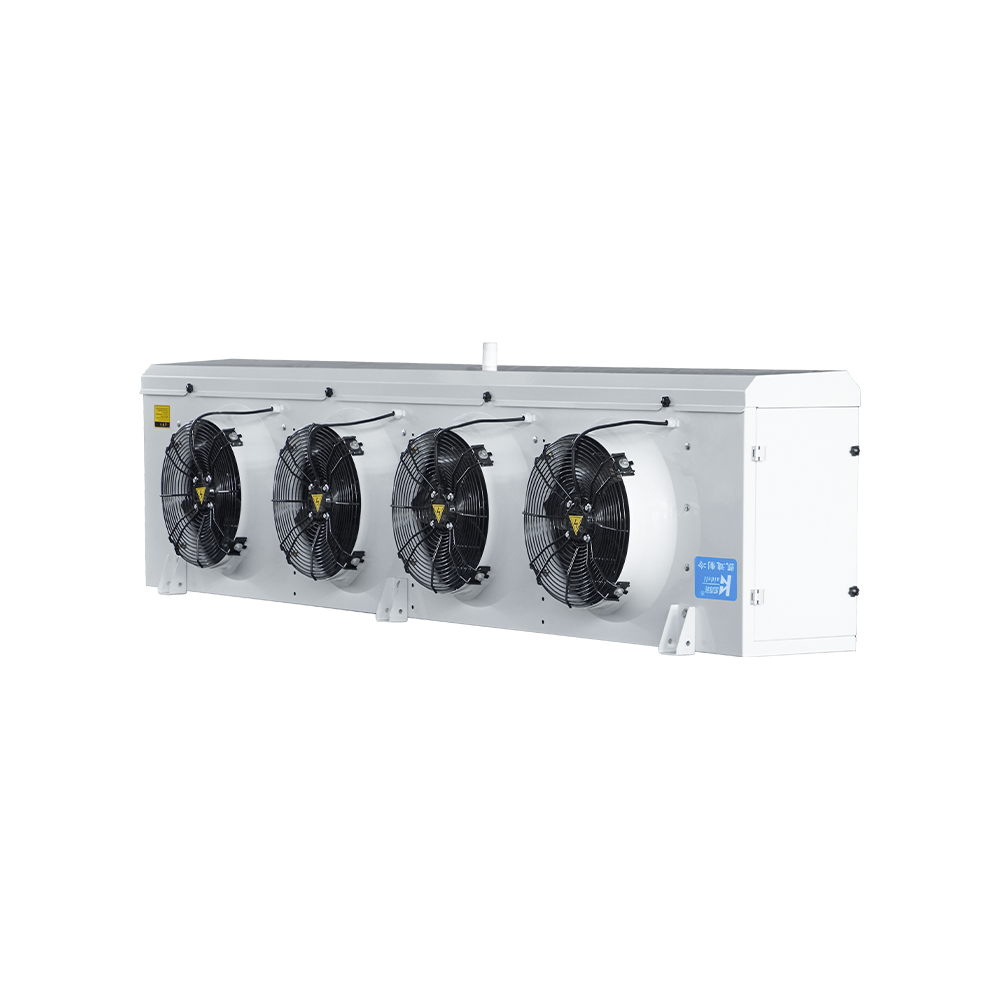
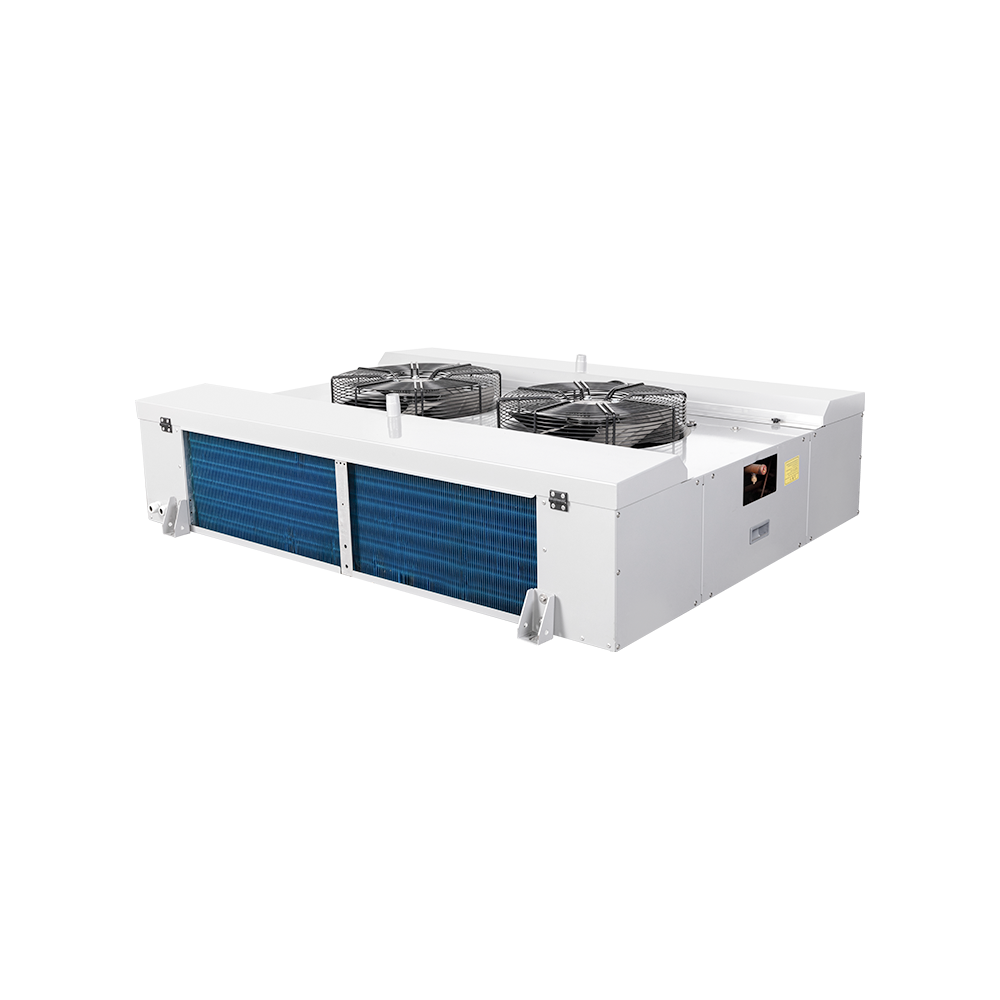
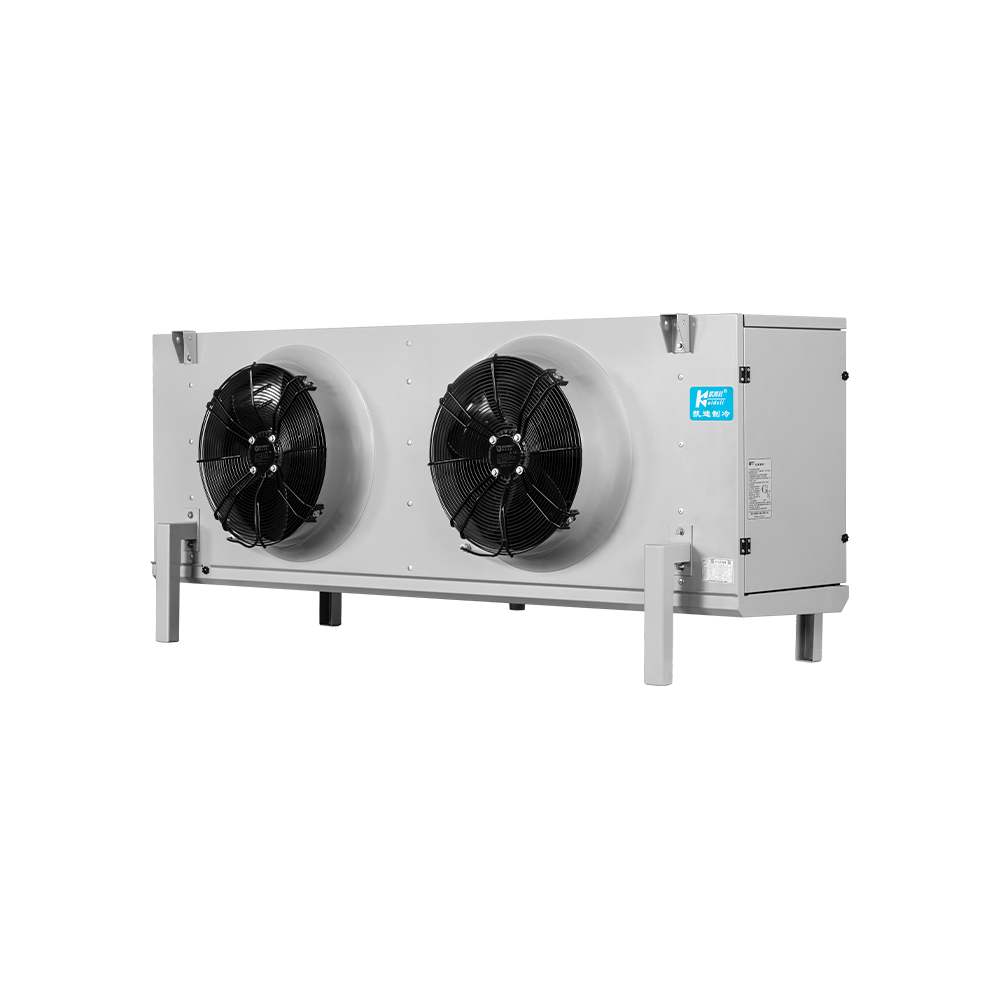
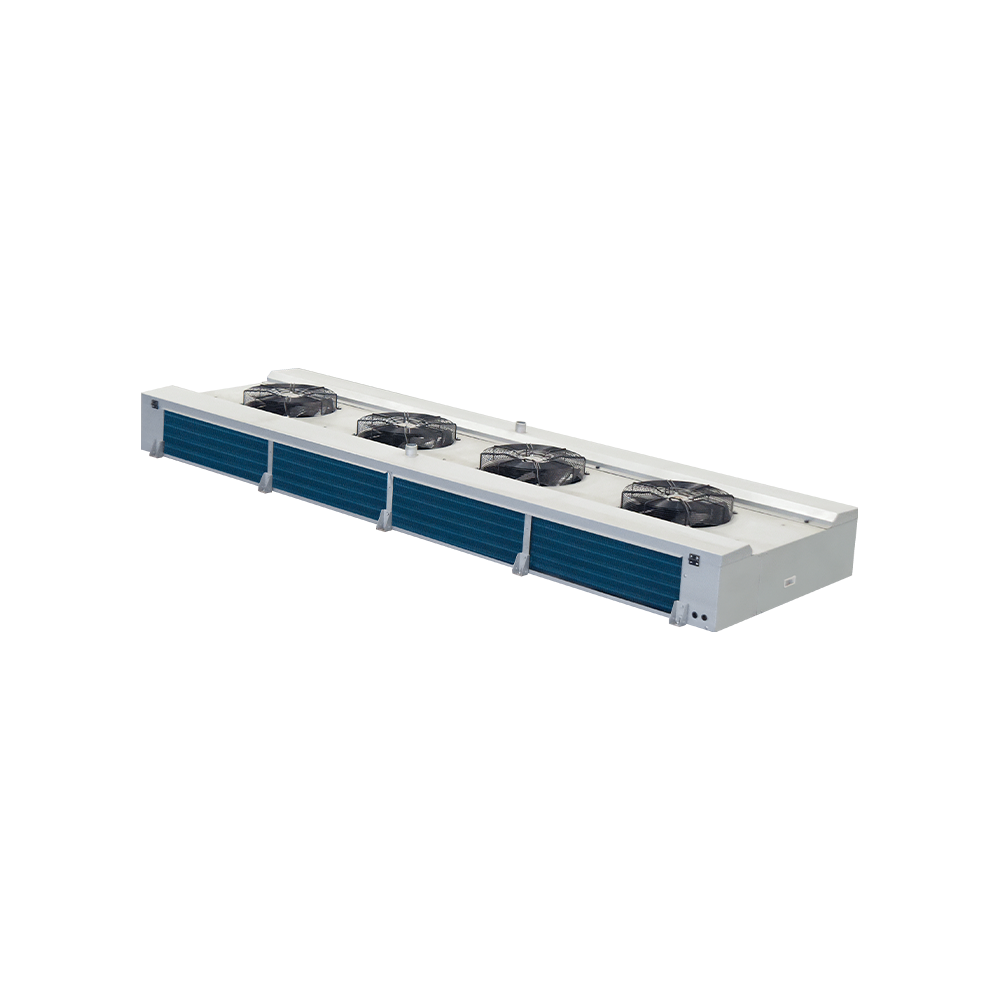
An evaporator for walk in cooler systems is the finned coil unit mounted inside the storage room that absorbs heat from the air and lowers the internal temperature to the set point, typically between 33°F and 38°F for standard produce and dairy storage. The evaporator receives low-pressure liquid refrigerant from the metering device, allows it to boil off into a gas as it absorbs ambient heat, and then sends that vapor back to the compressor through the suction line. Without a correctly sized and maintained evaporator, a walk-in cooler cannot hold a stable temperature, which directly affects food safety and product shelf life.
In practical terms, the evaporator is the component doing the actual cooling work inside the box. The condensing unit, whether air-cooled or built around an Evaporative Condenser, handles heat rejection outside the box, while the evaporator handles heat absorption inside it. Understanding how these two halves of the refrigeration circuit interact is the starting point for selecting the right equipment, sizing it correctly, and keeping it running efficiently for years.
How Walk-In Cooler Evaporators Work
The refrigeration cycle inside a walk-in cooler follows four continuous stages. Liquid refrigerant leaves the receiver or condenser and travels through the liquid line to a thermostatic expansion valve or electronic expansion valve mounted just before the evaporator coil. That valve drops the pressure of the refrigerant, which causes its boiling point to fall sharply. As the now cold, low-pressure liquid enters the evaporator tubing, warm room air is drawn across the coil fins by one or more fan motors, transferring heat into the refrigerant and causing it to boil into a gas.
This boiling process, known as latent heat absorption, is far more effective at removing heat than simply warming a liquid, which is why refrigeration systems rely on a phase change rather than sensible cooling alone. The resulting vapor exits through the suction line back to the compressor, where it is compressed, heated, and pushed toward the condenser to reject that absorbed heat outdoors or into a remote condensing loop.
- Expansion valve regulates refrigerant flow based on superheat
- Evaporator fan motors circulate box air across the coil
- Coil fins increase surface area for faster heat exchange
- Suction line carries low-pressure vapor back to the compressor
Evaporator Coils Versus an Evaporative Condenser
A common point of confusion in commercial refrigeration is the difference between the evaporator inside the box and an Evaporative Condenser outside it. Although both components share the word "evaporative" in casual conversation, they serve opposite purposes in the refrigeration circuit.
Evaporator Coil Function
The evaporator coil absorbs heat from inside the walk-in cooler, cooling the stored product and the surrounding air. It is a heat absorption device located on the low-pressure side of the system.
Evaporative Condenser Function
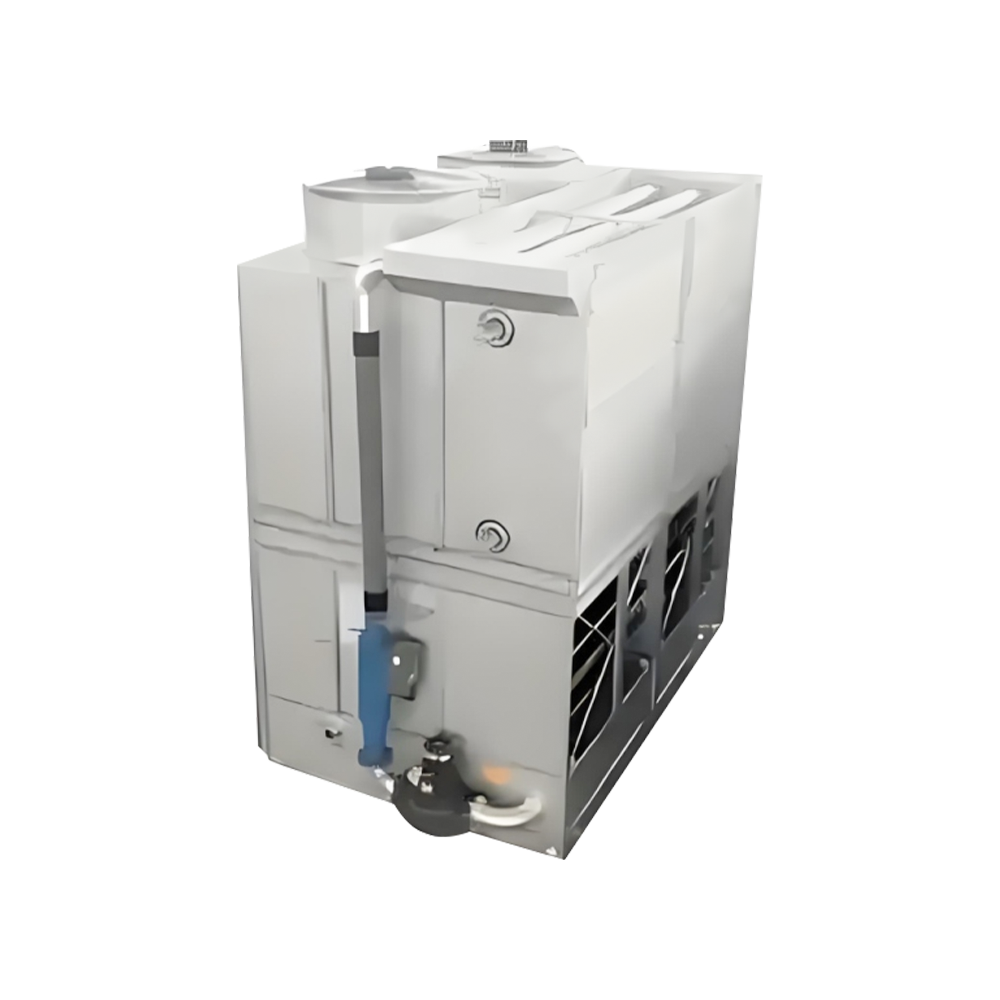
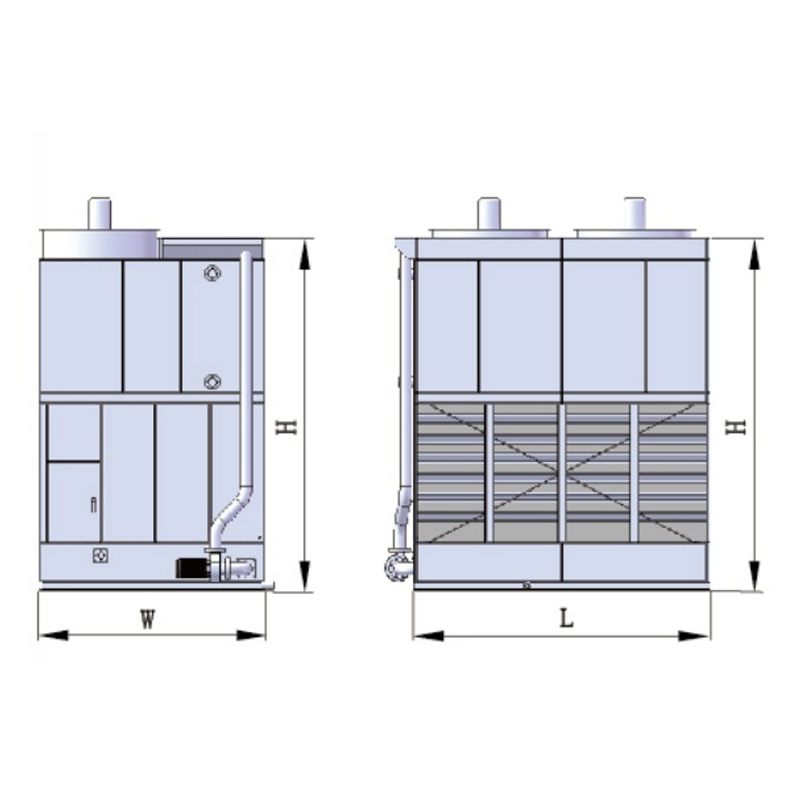
An Evaporative Condenser is a heat rejection device typically found on larger commercial or industrial refrigeration racks. Rather than using ambient air alone like a standard air-cooled condenser, it combines air movement with a recirculated water spray over the condenser coil, causing evaporative cooling that lowers the condensing temperature more efficiently, particularly in hot or dry climates. This can reduce compressor head pressure and improve overall system efficiency compared to a purely air-cooled condenser under the same ambient conditions.
For a single walk-in cooler, an Evaporative Condenser is less common than a simple air-cooled condensing unit, but it becomes a relevant option when a walk-in cooler is tied into a larger multi-circuit rack system serving several boxes at once, since the efficiency gains scale with total system tonnage.
Common Types of Evaporator Coils for Walk-In Coolers
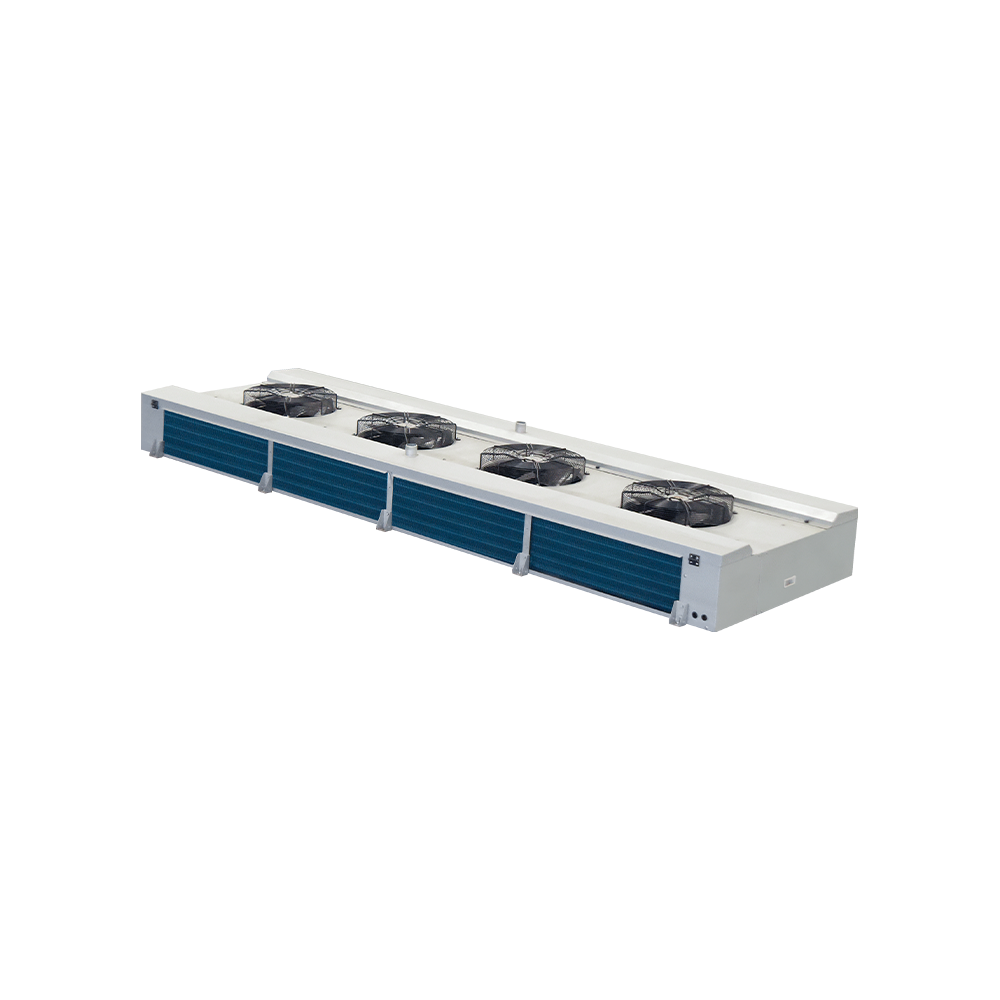
Walk-in cooler evaporators are generally grouped by fin spacing, defrost method, and mounting style. Choosing the right type depends on the stored product, ambient humidity, and how often the door is opened.
| Coil Type | Fin Spacing | Best Use Case |
|---|---|---|
| Standard fin coil | 4 to 6 fins per inch | General produce and beverage coolers |
| Wide fin coil | 2 to 3 fins per inch | Meat, seafood, or high-humidity storage |
| Low-profile ceiling mount | 4 to 5 fins per inch | Small coolers with limited ceiling clearance |
| Dual coil parallel unit | 4 fins per inch | Large walk-ins with high door traffic |
Wider fin spacing reduces the chance of frost bridging between fins, which matters most in coolers storing wet or high-moisture products such as fresh meat, seafood, or produce that has just come off ice. Tighter fin spacing offers more surface area per coil footprint but requires more frequent defrost cycles to avoid airflow restriction.
Sizing an Evaporator Correctly for the Box
Sizing starts with a proper heat load calculation. Undersized evaporators run continuously without ever reaching set point, while oversized units can short-cycle, leading to poor humidity control and uneven temperatures. A qualified load calculation typically accounts for the following variables.
- Total interior volume of the walk-in cooler in cubic feet
- Wall, ceiling, and floor insulation thickness and R-value
- Ambient temperature surrounding the box, including any solar exposure
- Number of daily door openings and average duration each opening
- Product pull-down load, meaning how much warm product enters daily and how far it must be cooled
- Heat generated by interior lighting and any electric motors inside the box
As a general reference point used by refrigeration technicians in the field, a typical 8 by 10 foot walk-in cooler holding produce at 35°F with moderate door traffic often falls in the range of 6,000 to 9,000 BTU per hour of required capacity, though this figure changes considerably with insulation quality, climate, and product type. Any sizing decision should be confirmed against the specific box dimensions and usage pattern rather than relying on a rule of thumb alone.
Defrost Systems and Why They Matter
Because evaporator coil surfaces run below freezing during operation, frost naturally accumulates on the fins over time. Left unmanaged, frost buildup restricts airflow, reduces heat transfer efficiency, and eventually blocks the coil entirely, forcing the compressor to run longer while cooling capacity drops. A defrost system exists to periodically melt this frost without allowing the box temperature to rise excessively.
Off-Cycle Defrost
Relies on box air above 35°F to naturally melt light frost during compressor off periods. Suitable for medium-temperature coolers with minimal frost formation.
Electric Heater Defrost
Uses embedded heating elements around the coil, activated on a timer or demand sensor, to melt frost quickly. Common in coolers where box temperature stays near or below freezing for extended periods.
Time-Initiated, Temperature-Terminated Defrost
Combines a defrost timer with a coil-mounted temperature sensor so that defrost ends as soon as the coil reaches a set termination temperature, avoiding unnecessary heat added to the box. This approach is widely used because it balances energy use against frost control reliability.
Airflow, Fan Configuration, and Product Placement
Even a correctly sized evaporator will underperform if airflow through the box is obstructed. Evaporator fans are engineered to throw air a specific distance across the room, and stacking product too close to the coil, blocking the return air path, or overloading shelving near the unit can create warm pockets far from the coil while the area directly beneath it runs colder than the set point.
Technicians commonly recommend leaving at least 4 to 6 inches of clearance between stored product and the ceiling or walls near the evaporator, and avoiding any shelving directly in the fan discharge path. Multiple smaller fan motors are frequently preferred over a single large motor in wide walk-ins because they distribute airflow more evenly across the length of the room and provide redundancy if one motor fails.
Installation Best Practices
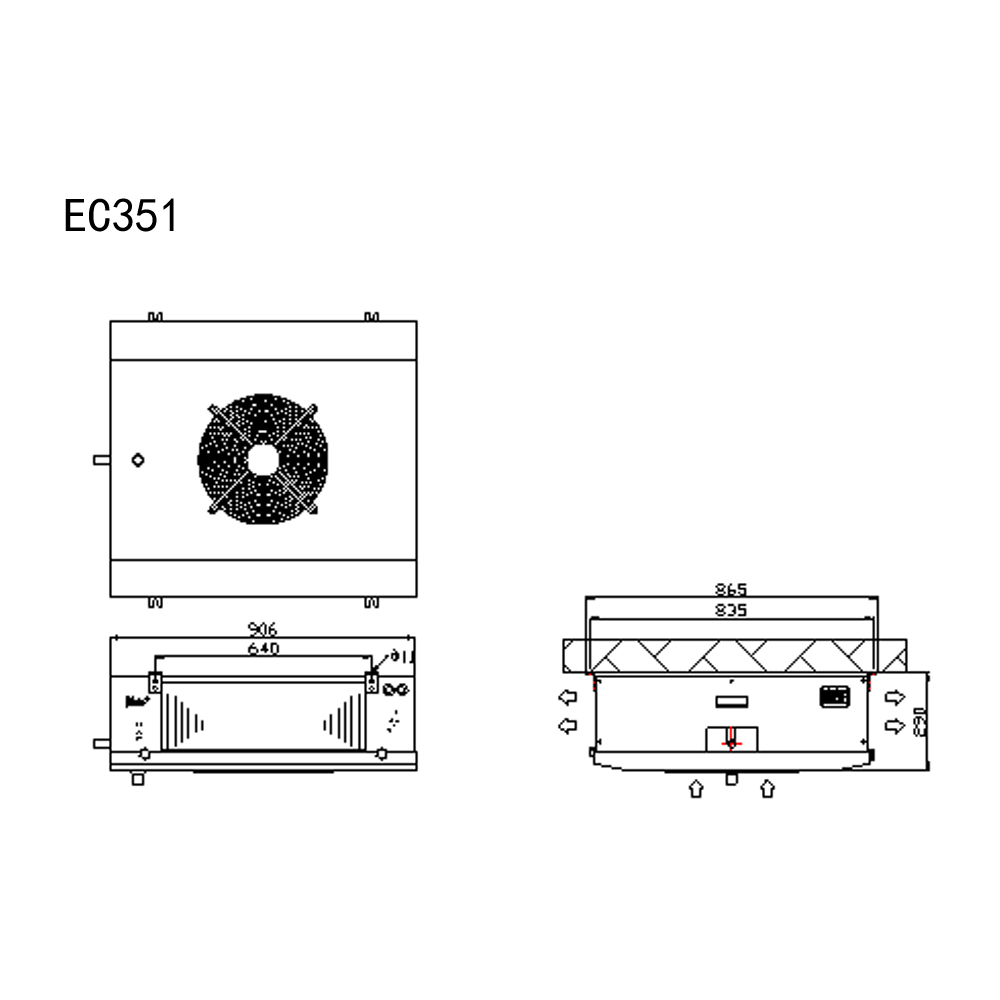
- Mount the evaporator away from the door swing to reduce warm air infiltration hitting the coil directly
- Slope condensate drain lines properly and insulate them to prevent sweating and dripping inside the box
- Trap and heat-tape drain lines that run through unheated spaces to prevent freezing in winter
- Keep refrigerant line sets as short as practical and properly sized to minimize pressure drop
- Verify the expansion valve bulb is correctly clamped and insulated on the suction line for accurate superheat control
Poor drain line design is one of the most frequent causes of nuisance water damage or ice formation on the floor of a walk-in cooler, so it deserves as much attention during installation as the refrigerant piping itself.
Maintenance Schedule to Extend Evaporator Life
Routine maintenance keeps the evaporator operating near its rated efficiency and prevents small issues from becoming costly failures. The table below outlines a general maintenance cadence used across many commercial kitchens and cold storage facilities.
| Task | Frequency | Purpose |
|---|---|---|
| Visual coil inspection | Monthly | Check for frost buildup, bent fins, or debris |
| Fin cleaning | Quarterly | Remove dust and grease that restrict airflow |
| Drain line flush | Quarterly | Prevent clogs and standing water in the pan |
| Fan motor and bearing check | Semi-annual | Detect early wear before motor failure |
| Superheat and subcooling check | Annual | Confirm proper refrigerant charge and valve function |
Common Evaporator Problems and Practical Troubleshooting
| Symptom | Likely Cause | First Check |
|---|---|---|
| Box temperature will not drop | Iced coil or restricted airflow | Inspect coil for frost or ice blockage |
| Water pooling on floor | Clogged or unheated drain line | Trace drain path for blockage or freezing |
| Uneven temperatures across the box | Blocked airflow or fan failure | Confirm all fan motors are running and unobstructed |
| Compressor short-cycling | Oversized evaporator or control fault | Review thermostat differential settings |
| Excess frost returning quickly after defrost | Door left open or poor door seal | Inspect gaskets and door closer operation |
Energy Efficiency and Running Costs
The evaporator interacts directly with total system energy use because it sets the operating suction pressure and, by extension, the compressor's workload. A coil that is undersized or dirty forces the compressor to pull a lower suction pressure to reach the target box temperature, which increases compression ratio and electricity draw. Keeping fins clean and airflow unobstructed is one of the lowest-cost, highest-impact steps an operator can take to control energy spending.
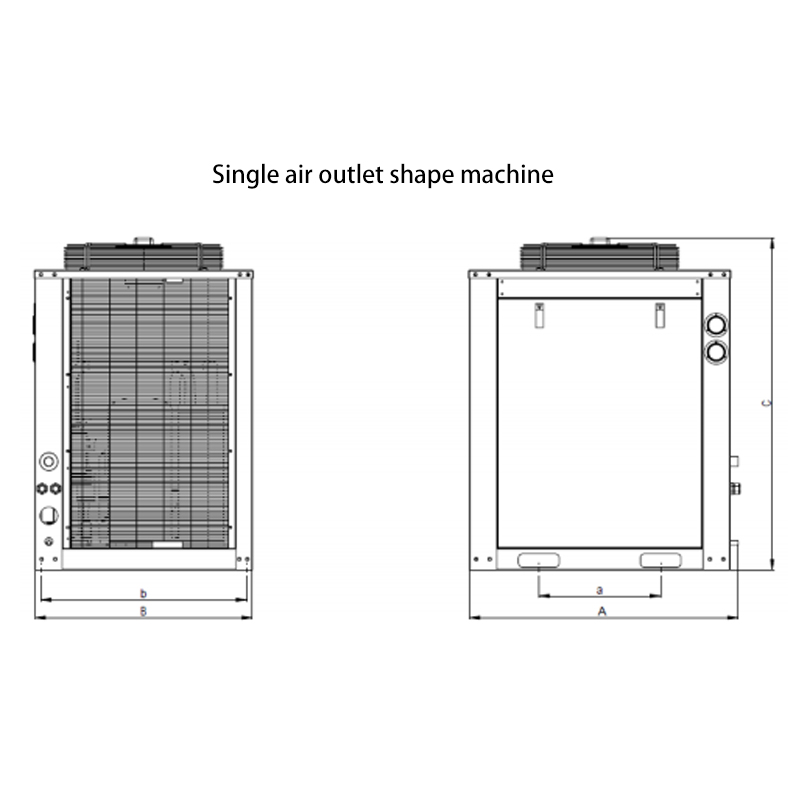
On the heat rejection side, pairing a well-matched evaporator with an efficient condensing method also matters. Systems using an Evaporative Condenser can maintain lower and more stable head pressures during warm weather compared to standard air-cooled condensers operating in the same ambient conditions, since evaporative cooling brings the condensing temperature closer to the wet-bulb temperature rather than the higher dry-bulb temperature. Lower head pressure reduces compressor amperage draw, which can translate into meaningful energy savings over a cooling season for larger multi-box refrigeration racks.
When an Evaporative Condenser Makes Sense for Cold Storage Systems
An Evaporative Condenser is generally considered when total system capacity grows beyond a single small walk-in cooler, such as facilities running multiple walk-in coolers and freezers off a shared rack, or larger cold storage warehouses. The water spray and forced air combination allows the condensing temperature to track closer to the wet-bulb temperature of the outdoor air, which is almost always lower than the dry-bulb temperature used as the design basis for standard air-cooled condensers.
Advantages Commonly Cited
- Lower average head pressure during hot weather operation
- Reduced compressor energy draw compared to purely air-cooled units under equal ambient load
- Smaller physical footprint than an equivalent capacity air-cooled condenser in some configurations
Trade-Offs to Weigh
- Requires a water supply and periodic water treatment to control mineral scale
- Additional maintenance around the recirculating pump, spray nozzles, and sump
- Higher upfront equipment and installation cost than a comparable air-cooled unit for small single-box applications
For a single small walk-in cooler, a standard air-cooled condensing unit remains the more common and cost-effective choice. The economics shift toward an Evaporative Condenser as total connected refrigeration load and climate severity increase.
Signs It Is Time to Replace the Evaporator Coil
Evaporator coils have a long service life when maintained, but certain conditions signal that replacement is more economical than continued repair. Corroded or leaking coil tubing, fins that have collapsed from repeated ice damage, fan motors that fail repeatedly on the same coil, and a coil that can no longer hold vacuum after brazing repairs are all common indicators. In coastal or high-humidity environments, coil corrosion tends to progress faster, which can shorten the practical service window compared to drier inland locations.
As a general reference, many commercial evaporator coils in continuous service are expected to last between 10 and 15 years before efficiency losses or repeated repairs make replacement the more sensible option, though actual service life varies with maintenance quality, refrigerant type, and operating environment.
Frequently Asked Questions
What temperature should a walk-in cooler evaporator maintain?
Most walk-in coolers are set to maintain a box air temperature between 33°F and 38°F, though the exact target depends on the products stored, since some items like leafy produce prefer the higher end of that range while dairy and raw proteins often sit closer to the lower end.
How often should the evaporator coil be cleaned?
A quarterly cleaning schedule is a reasonable baseline for most commercial kitchens, though coolers near cooking equipment with airborne grease may need monthly cleaning to prevent film buildup on the fins.
Is an Evaporative Condenser necessary for a small walk-in cooler?
No. A single small walk-in cooler is typically served well by a standard air-cooled condensing unit. An Evaporative Condenser tends to make economic sense on larger multi-box rack systems where the efficiency gains apply across a much larger total load.
Why does the evaporator keep freezing up?
Repeated icing is most often caused by a failing defrost timer, a faulty defrost termination sensor, restricted airflow from a dirty coil, or a door that does not seal properly and allows warm moist air to continuously enter the box.
Can an evaporator be too large for the box?
Yes. An oversized evaporator can cool the air faster than the compressor and controls are designed to handle, leading to short-cycling, poor humidity control, and uneven temperatures throughout the box, so matching capacity to the calculated heat load is important rather than simply choosing the largest available unit.
How long does a typical evaporator coil last?
With regular maintenance, most commercial evaporator coils remain in service for roughly 10 to 15 years, though environmental factors such as coastal humidity or heavy grease exposure can shorten that window.