

 English
 中文简体
中文简体Content
- 1 Introduction: The Shift Toward Integrated Refrigeration Solutions
- 2 Understanding Box Type Condensing Units: Design and Functionality
- 3 Key Features That Matter to Users
- 4 Applications Across Industries
- 5 Technical Insights: Breaking Down the Components
- 6 Tables for Quick Comparison
- 7 Answering Frequently Asked Questions
- 8 Future Trends in Condensing Unit Technology
- 9 Conclusion: Making Informed Decisions for Cooling Needs
Introduction: The Shift Toward Integrated Refrigeration Solutions
In the refrigeration and HVAC industry, professionals and businesses often ask: "How can we achieve reliable cooling in a compact, efficient package?" This question drives innovation, leading to the development of integrated condensing units that combine key components into a single system. These units are designed to meet diverse cooling demands, from commercial refrigeration to industrial processes, while addressing space constraints and energy concerns. This news article explores the features and benefits of box type condensing units, focusing on a notable example in the market, and answers frequently asked questions to help users make informed decisions.
Understanding Box Type Condensing Units: Design and Functionality
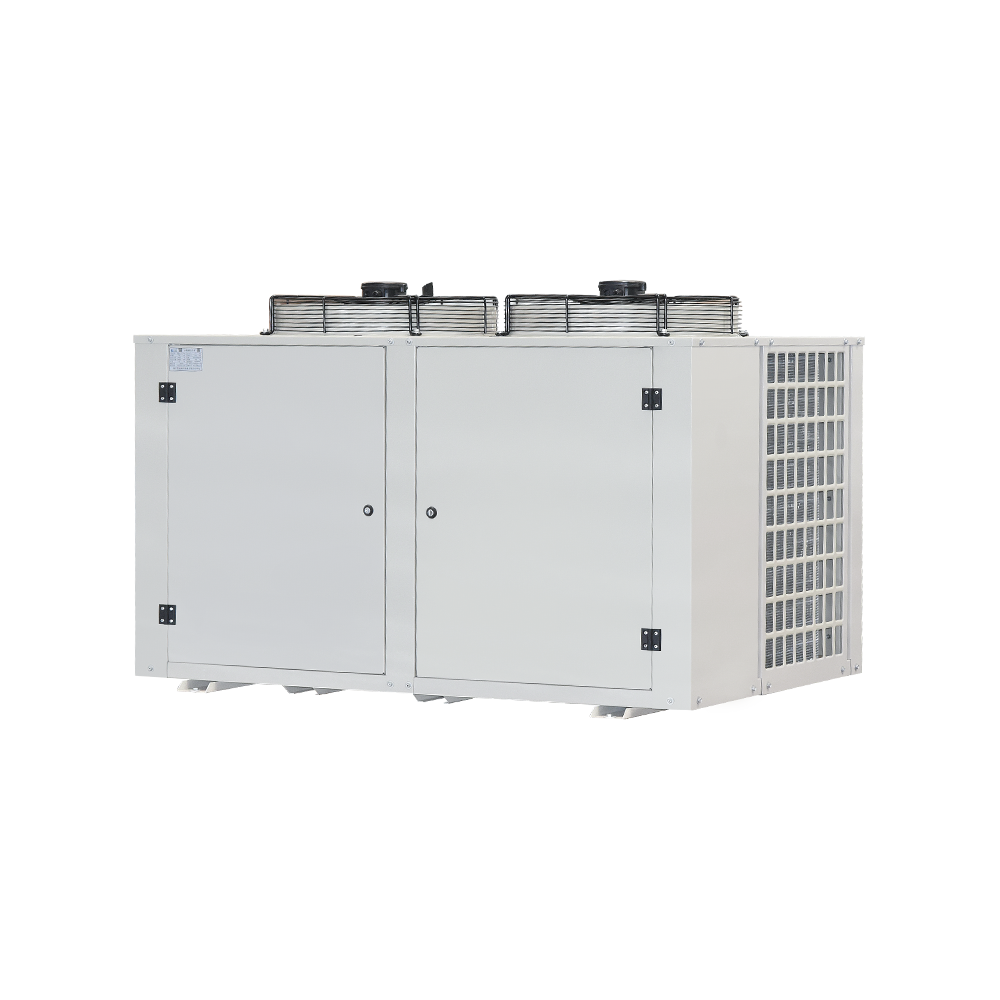
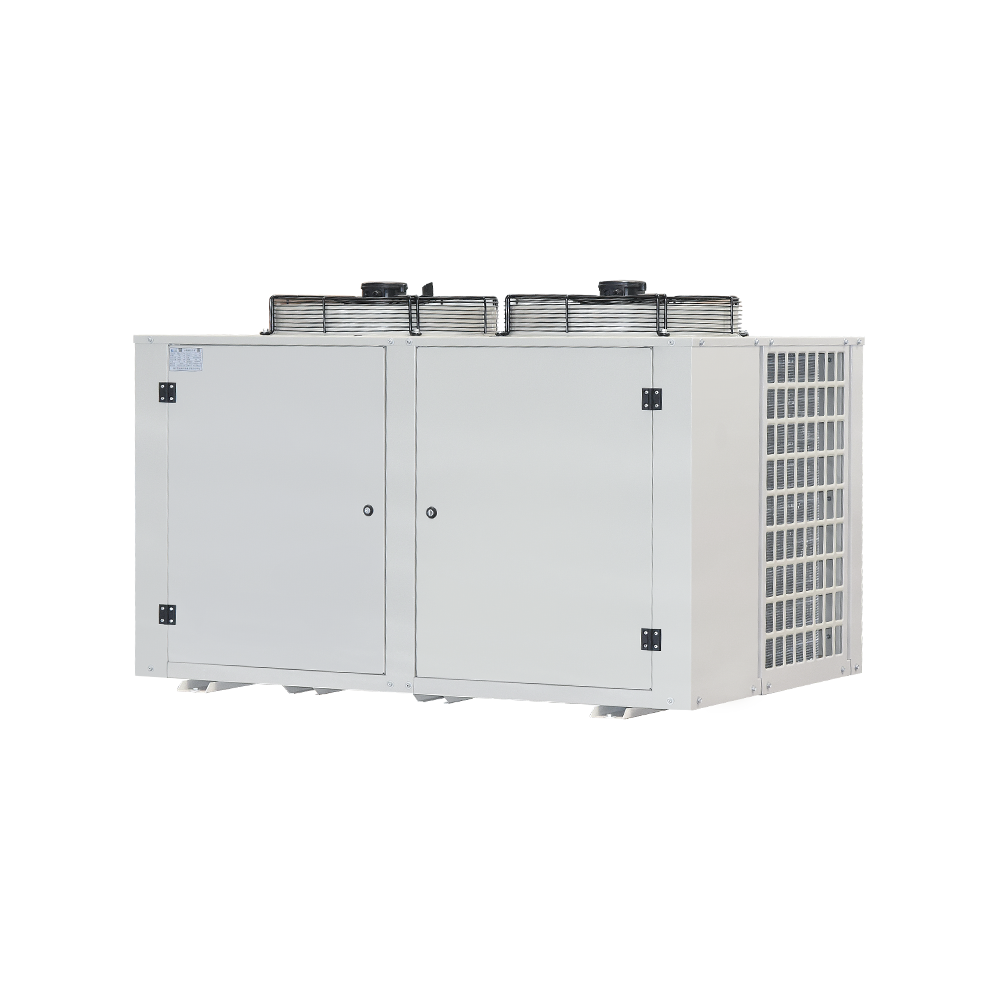
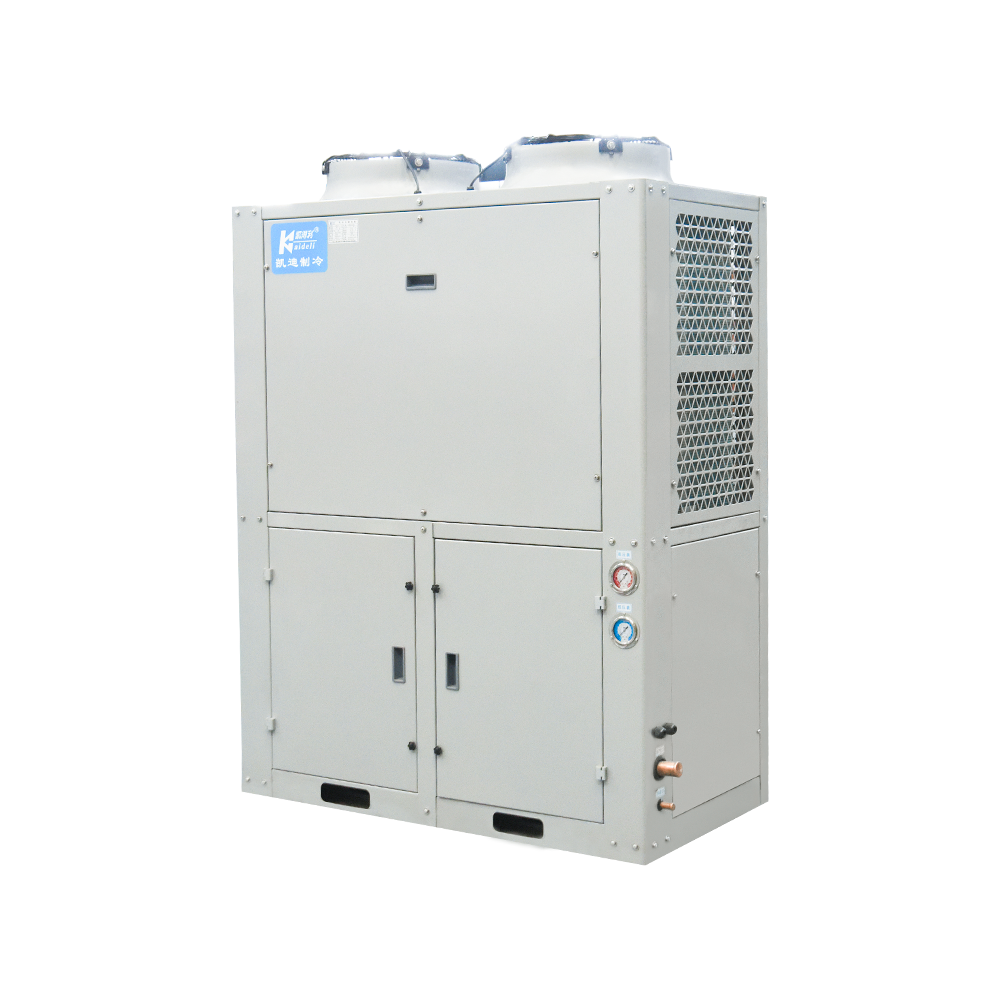
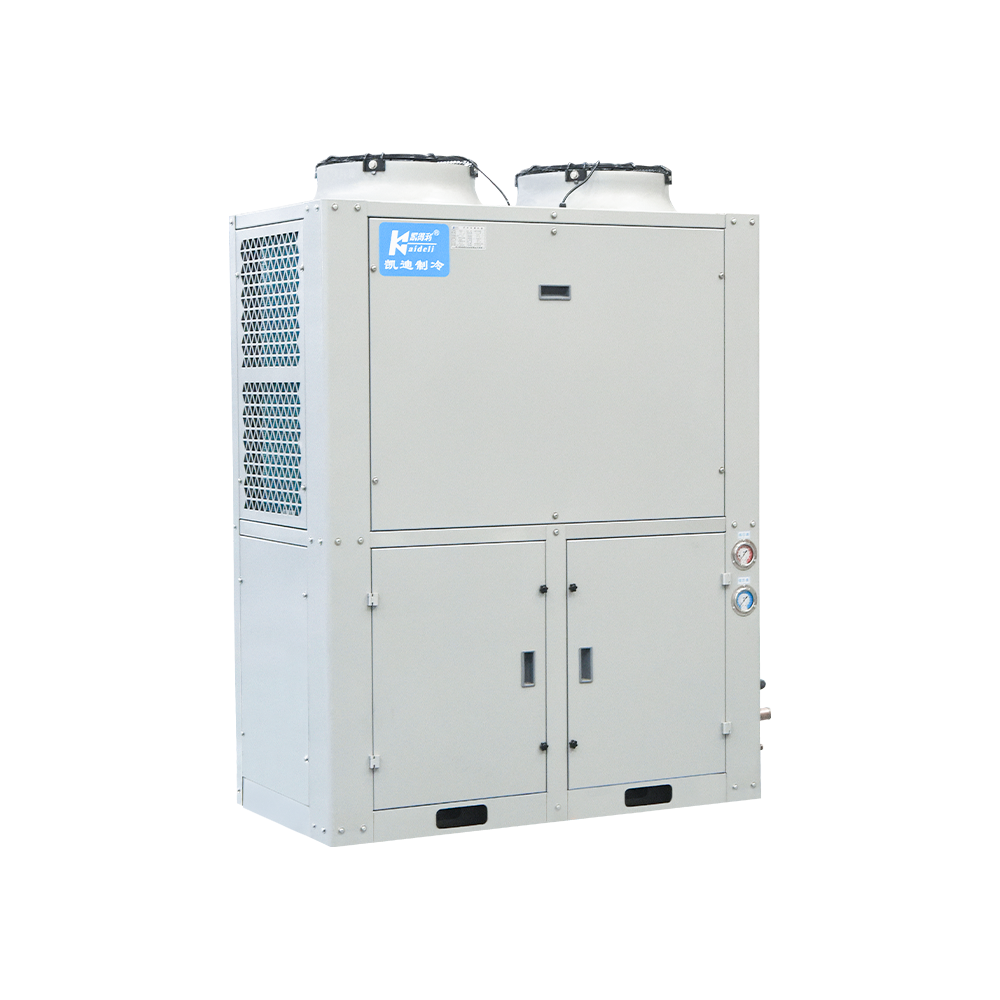
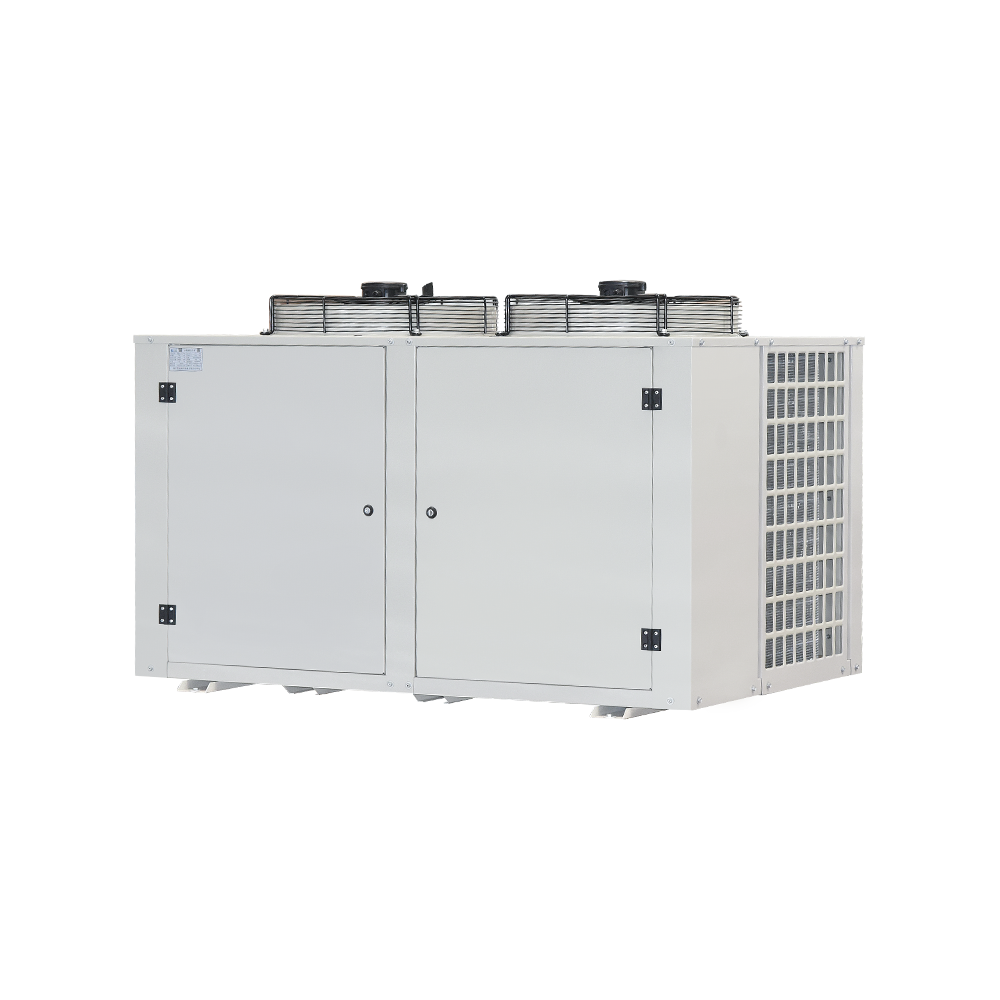
Box type condensing units are engineered to consolidate essential refrigeration elements—such as the compressor, condenser, liquid receiver, and controls—into a unified, enclosed structure. This integration aims to simplify installation, reduce footprint, and enhance performance. Unlike traditional setups with separate components, these units offer a streamlined solution that can be easier to maintain and operate.
Compact Design and Space Efficiency
A key advantage of box type units is their space-saving design. By housing multiple components in a single box, they minimize the need for extensive piping and external assemblies. This makes them suitable for applications where space is limited, such as retail stores, restaurants, or small warehouses. The V-type configuration, in particular, allows for efficient airflow and heat dissipation, contributing to consistent operation.
Integration of Components for Simplified Operation
These units typically include a compressor for refrigerant circulation, a condenser for heat exchange, a liquid receiver for refrigerant storage, and control systems for monitoring and adjustment. The integration reduces potential leak points and ensures that all parts work in harmony. Users often inquire about reliability, and a well-integrated design can help reduce downtime and maintenance costs.
Key Features That Matter to Users
When evaluating box type condensing units, customers commonly ask about efficiency, durability, and versatility. Here, we break down these aspects without relying on exaggerated claims.
Energy Efficiency and Performance
Energy efficiency is a priority for many businesses seeking to lower operational costs. Modern units incorporate technologies like improved heat exchange surfaces and optimized compressor cycles to balance cooling output with power consumption. While no single product can be called the "best," features such as variable speed fans or eco-friendly refrigerants can contribute to energy savings. It's recommended to consult specifications for specific metrics.
Versatility in Meeting Refrigeration Needs
These units are designed to handle various refrigeration requirements, from low-temperature freezing to medium-temperature cooling. Their adaptability makes them useful in food storage, beverage dispensing, and climate control systems. Users should consider factors like ambient temperature ranges and load capacities when selecting a unit to ensure it matches their application.
Applications Across Industries
Box type condensing units find use in multiple sectors due to their compact nature and integrated design. Common applications include:
- Commercial Refrigeration: Supermarkets, convenience stores, and cold storage facilities.
- Food Service: Restaurants, hotels, and catering businesses for walk-in coolers and freezers.
- Industrial Processes: Manufacturing and logistics where temperature control is critical.
- Healthcare: Medical storage for vaccines and pharmaceuticals.
By addressing diverse needs, these units offer a practical solution for businesses looking to upgrade their refrigeration infrastructure.
Technical Insights: Breaking Down the Components
To better understand how box type condensing units work, let's examine the roles of their core parts. This knowledge can help users ask informed questions when purchasing or maintaining equipment.
Compressor: The Heart of the System
The compressor circulates refrigerant through the cycle, compressing it to increase temperature and pressure. Types vary (e.g., scroll, reciprocating), affecting noise levels and efficiency. Regular maintenance is advised to ensure longevity.
Condenser and Heat Dissipation
The condenser releases heat from the refrigerant to the environment, using air or water cooling. In box type units, the condenser is often integrated with fans for airflow, which is why design considerations like V-type layouts can aid in effective heat removal.
Control Systems and Safety Features
Integrated controls monitor parameters like temperature and pressure, allowing for automated adjustments and error alerts. Safety features may include overload protection and leak detection, contributing to operational security.
Tables for Quick Comparison
To help visualize common attributes of box type condensing units, below are tables summarizing typical features and considerations. These are based on general industry standards and can serve as a reference when evaluating options.
Table 1: Common Features of Box Type Condensing Units
| Feature | Description | Benefit |
|---|---|---|
| Compact Enclosure | Integrated box housing all major components | Reduces installation space and simplifies setup |
| V-Type Design | Angled configuration for improved airflow | Enhances heat dissipation and can lower energy use |
| Liquid Receiver | Storage tank for refrigerant management | Helps maintain system balance and reduces cycling |
| Control Panel | Integrated electronics for monitoring | Allows for easy adjustments and fault diagnosis |
Table 2: Considerations for Selection
| Aspect | Questions to Ask | Typical Range |
|---|---|---|
| Cooling Capacity | What temperature range and load are needed? | -10°C to 10°C for medium temp; lower for freezing |
| Energy Consumption | How does efficiency impact operating costs? | Varies by model; check kWh ratings |
| Noise Level | Is quiet operation important for the environment? | 50-70 dB, depending on design |
| Maintenance Access | Are components easy to service? | Look for removable panels and clear labeling |
Answering Frequently Asked Questions
Based on customer inquiries, here are detailed responses to common questions about box type condensing units.
How Do I Choose the Right Condensing Unit for My Business?
Selection depends on factors like cooling load, ambient conditions, space availability, and budget. Assess your specific refrigeration needs—for example, a restaurant might require a unit for a walk-in cooler, while a warehouse may need one for cold storage. Consult with suppliers to review technical specifications and consider energy ratings for long-term savings. It's also helpful to look at units with integrated controls for ease of use.
What Are the Maintenance Requirements?
Regular maintenance can extend the life of a condensing unit. This includes cleaning condenser coils to prevent dust buildup, checking refrigerant levels, inspecting electrical connections, and ensuring fans operate smoothly. Many box type units are designed with serviceability in mind, featuring accessible components. Follow manufacturer guidelines for scheduled upkeep to avoid unexpected breakdowns.
Can These Units Be Used in Outdoor Settings?
Some box type condensing units are built for outdoor installation, with weather-resistant enclosures. However, it's essential to verify the IP (Ingress Protection) rating and material durability. Factors like rain, snow, or extreme temperatures can affect performance, so proper placement and protection are advised. Always check the product specifications for environmental suitability.
How Does Integration Improve Reliability?
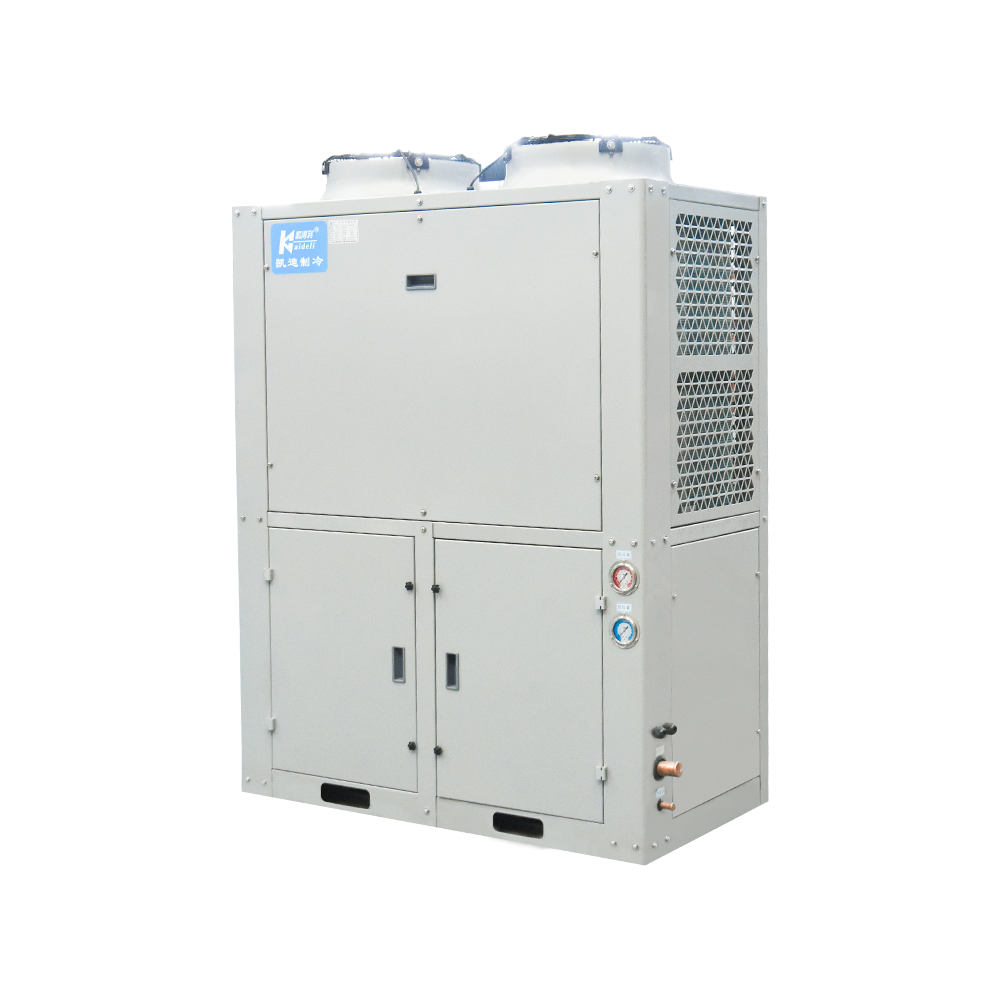
By combining components in a tested package, integrated units can reduce compatibility issues and installation errors. The compact design may also minimize vibration and noise, contributing to stable operation. For instance, the KCFV1P Series V Type Box Type Condensing Unit exemplifies this approach, offering a consolidated solution for various refrigeration needs. Remember to review warranty and support options for added assurance.
Future Trends in Condensing Unit Technology
The industry is moving towards smarter, more sustainable refrigeration solutions. Innovations include the use of natural refrigerants with lower environmental impact, IoT-enabled monitoring for predictive maintenance, and enhanced materials for durability. Box type units are likely to incorporate these advancements, making them even more adaptable to evolving regulations and user expectations. Staying informed about these trends can help businesses plan for upgrades.
Conclusion: Making Informed Decisions for Cooling Needs
Box type condensing units represent a practical choice for many refrigeration applications, balancing compact design with functional performance. By understanding their features, applications, and maintenance needs, users can address common questions and select units that align with their requirements. As the market evolves, products like the integrated V-type units continue to offer reliable solutions. For more details on specific models, refer to manufacturer resources and technical data sheets.
In summary, when exploring refrigeration options, focus on factors such as efficiency, space, and versatility. With careful consideration, businesses can find condensing units that meet their cooling demands effectively and reliably.