

 English
 中文简体
Content
- 1 Core Components of a Cold Room Refrigeration System
- 2 Temperature Ranges and System Configuration
- 3 How to Calculate Refrigeration Load Accurately
- 4 Choosing the Right Condensing Unit
- 5 Evaporator Selection and Air Distribution
- 6 Energy Efficiency and Operating Cost
- 7 Maintenance and Monitoring Best Practice
- 8 Common Design Mistakes and Their Consequences
- 9 Cold Room Refrigeration System FAQ
- 9.1 How long does a cold room refrigeration system last?
- 9.2 What is the difference between a walk-in cooler and a cold room?
- 9.3 How often should a cold room evaporator defrost?
- 9.4 Can one condensing unit serve multiple cold rooms?
- 9.5 Why does the cold room temperature rise after loading fresh product?
- 9.6 What refrigerants are used in modern cold room systems?
A correctly sized cold room refrigeration system holds temperature within +/-1°C of setpoint and consumes 20% to 30% less electricity than a system that is simply "big enough". The difference is visible in daily operation: product shelf life extends, compressor run time stabilizes, and maintenance costs drop. Every cold room project faces the same five decisions—load calculation, condensing unit choice, evaporator sizing and placement, heat rejection method, and control strategy. This guide walks through each decision with concrete numbers and field-tested thresholds so you can specify a system that performs from the first day.
Core Components of a Cold Room Refrigeration System
An industrial cold room refrigeration system is not a single machine. It is a closed loop of five functional groups that must work together. If any one group is under-specified, the entire loop fails to deliver proper cooling. Experience from hundreds of cold storage installations shows that the most common root cause of temperature failure is a component mismatch, not a broken part.
- Compressor or condensing unit — the heart of the system. It compresses refrigerant and consumes 70% to 85% of total electrical energy. Piston, scroll, and screw compressors cover capacities from a few kilowatts up to several hundred kilowatts.
- Evaporator (air cooler) — removes heat from the room air. Ceiling-mounted, double-side blow, and floor-standing configurations differ in air throw, frost control, and mounting height.
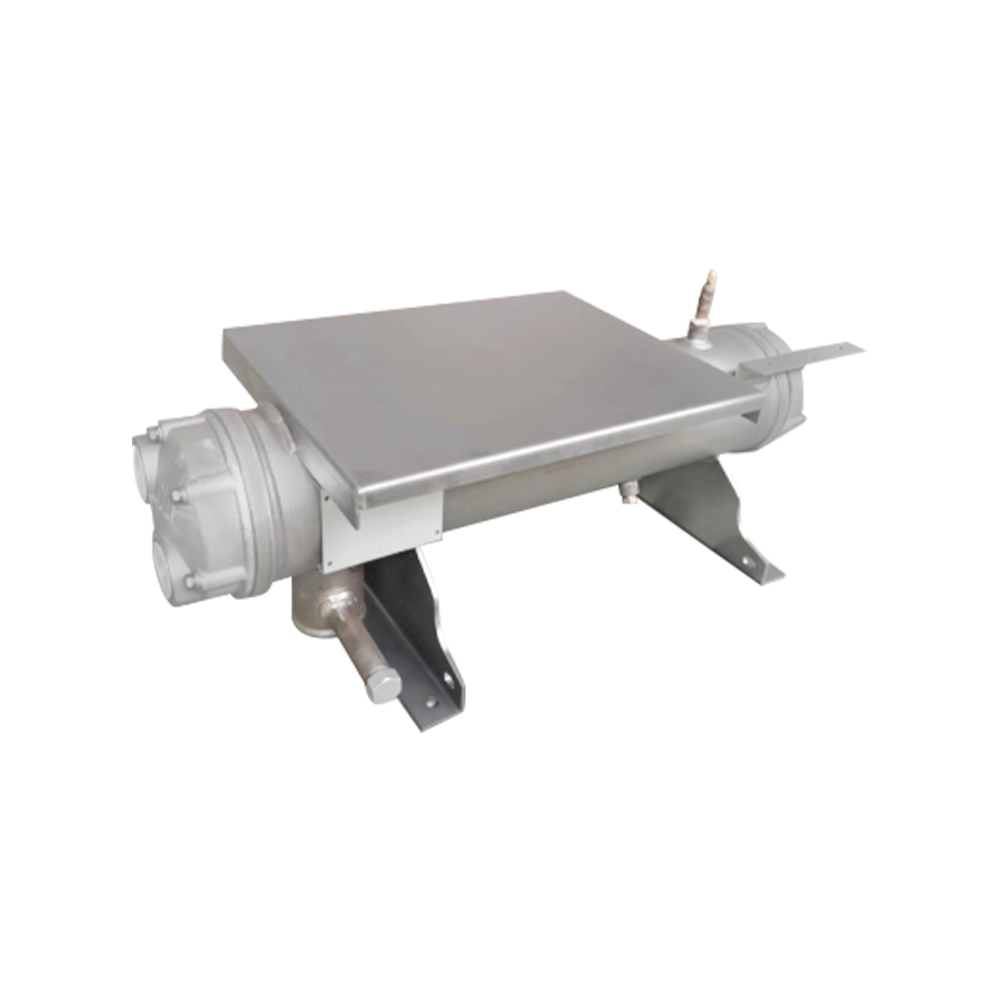
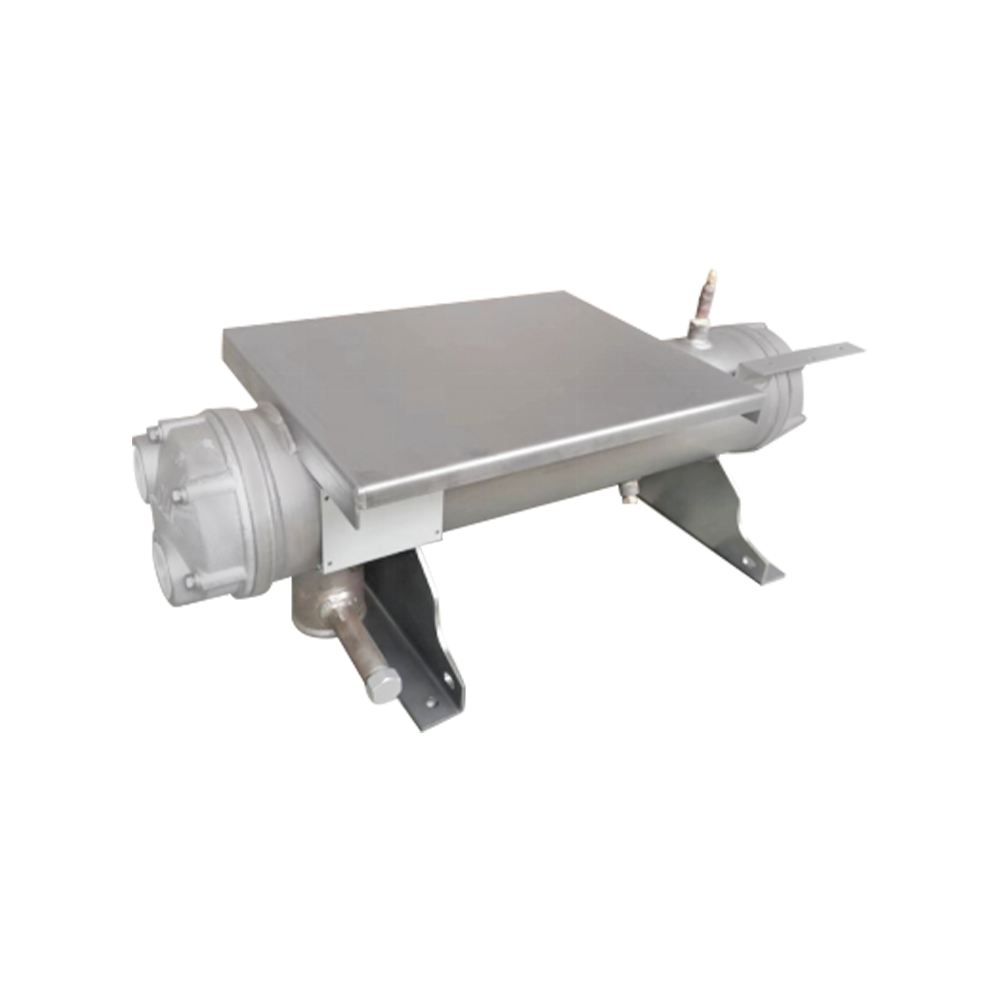
- Condenser — rejects heat to ambient. Air-cooled units are easiest to install, evaporative condensers save energy in large systems, and shell-tube water-cooled condensers are used where water is available and thermal efficiency matters most.
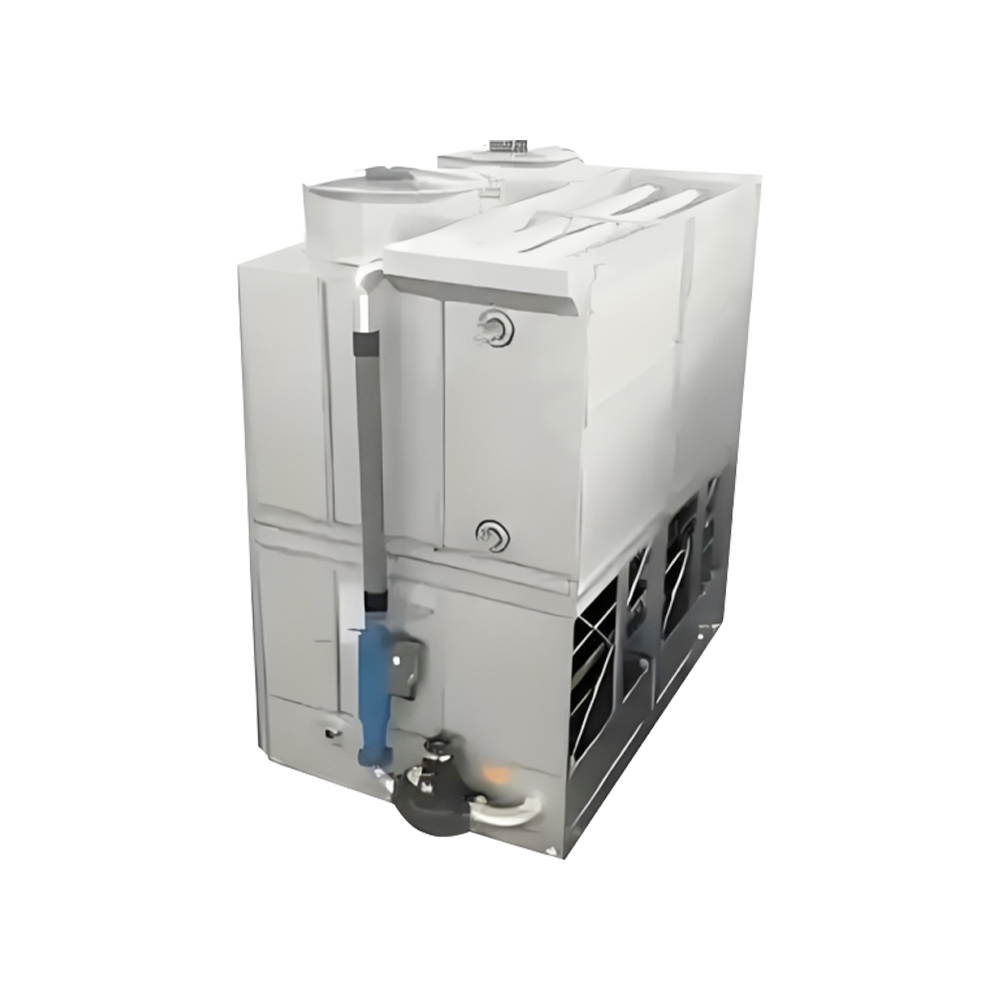 KDLN Series Evaporative Condenser for Cold Storage and Industrial SystemsThis evaporative condenser is designed for medium and large refrigeration systems, offering dual-mode heat dissipation that saves energy and water. It suits extreme environments and corrosive conditions, making it a reliable replacement for traditional condensers.View Product →
The remaining two groups—the expansion device and the controls—are smaller in physical size but just as important. A thermostatic expansion valve maintains stable superheat, while an electronic expansion valve reacts to load changes within seconds. Modern cold rooms often include a smart controller that monitors suction pressure, defrost status, and door activity, sending alarms when the room drifts from setpoint. At typical cold storage payback rates, adding a monitoring system saves enough energy to pay for itself in 12 to 18 months.
Temperature Ranges and System Configuration
The required room temperature determines every other choice. A chilled produce room at 2°C needs far less compressor capacity than a freezer room at -25°C, and the refrigerant selection changes as well. The evaporating temperature—not the room temperature—is what the compressor actually sees, so the difference between them must be kept in a narrow band.
| Application | Room Temperature | Evaporating Temperature |
|---|---|---|
| Ripening and produce storage | +4°C to +8°C | -2°C to -6°C |
| Beverage and dairy | 0°C to +4°C | -5°C to -9°C |
| Meat and seafood processing | -2°C to +2°C | -8°C to -12°C |
| Frozen food storage | -18°C to -22°C | -25°C to -30°C |
| Ice cream and quick freezing | -25°C to -40°C | -35°C to -46°C |
A practical rule of thumb: each 5°C step in evaporating temperature changes compressor capacity by roughly 10% to 12%. For this reason, the evaporating temperature should stay as high as the product permits. A frozen food room can often operate with an evaporating temperature between -25°C and -28°C rather than -30°C, saving energy without compromising product quality. This single adjustment can cut compressor electricity by 6% to 10%.
How to Calculate Refrigeration Load Accurately
Before selecting any equipment, you need to know the total refrigeration load. The standard engineering method sums four individual heat loads. Skipping this step is the single most expensive mistake in cold room projects.
- Transmission load — heat that passes through walls, ceiling, and floor. With 120mm polyurethane panels and a 50K temperature difference, transmission load is typically 8 to 12 W per square metre of envelope area.
- Product load — heat that must be removed from incoming goods. Bringing 1 tonne of frozen meat from -5°C to -18°C requires about 26,000 kJ of refrigeration duty, roughly 1.8 kW when spread over four hours.
- Air change load — warm air entering through doors and openings. A busy cold room can gain up to 25% of its total heat load from door openings alone.
- Internal load — heat from fan motors, lights, people, and defrost heaters. Fan motors typically contribute 8% to 12% of total load in a cold room.
Here is a practical example. A 50m³ frozen food cold room at -18°C in a 30°C ambient, with 120mm PU panels and an envelope area of about 85m², has a transmission load of roughly 800 W. When 500kg of frozen goods entering at -5°C are loaded into the room, the product load adds about 700 W over the four-hour pull-down period. Air change load adds 400 W, and internal fan heat adds 150 W. The total comes to roughly 2,050 W. Adding a 15% safety margin for defrost and cycling losses gives a required system capacity of about 2,400 W.
For an existing system, run a quick diagnostic check. Measure the suction pressure and compressor discharge temperature. If the compressor short-cycles with a high suction pressure, the evaporator is undersized. If the compressor runs continuously but the room stays warm, the condensing unit is undersized or the refrigerant charge is low. Contact our engineering team to review your load calculation before choosing equipment.
Choosing the Right Condensing Unit
The condensing unit is the largest and most important equipment decision in a cold room refrigeration system. Three variables determine the right choice: compressor type, unit configuration, and refrigerant. Getting these right reduces energy use and cuts service call frequency.
Compressor Type
From field data across cold storage installations, screw compressors maintain 85% or higher efficiency at part load, while piston compressors drop to 70% to 75% efficiency at 50% load. For systems above 50 kW, a screw compressor is the more energy-efficient choice. For small rooms below 15 kW, scroll compressors are quiet and reliable. Piston compressors still dominate in medium-capacity systems with wide temperature spans, particularly when multiple compressor banks are used in parallel.
 KCS Series Screw Condensing Unit for Large-Scale RefrigerationThis screw condensing unit addresses large-scale cooling needs with a 5:6 asymmetric rotor compressor, delivering high efficiency and low noise. It offers multi-stage energy regulation and robust safety features, ideal for big warehouses and ice-making.View Product →
Open Type vs Box Type Units
Open type units are mounted on a frame exposed to ambient air. They are easier to service and cool better, but need a protected installation area. Box type units come in a weatherproof enclosure, so they can be placed outdoors or on rooftops without shelter. Open type condensing units are preferred for larger loads and industrial sites where maintenance access is easier.
When comparing efficiency, look at the rated capacity at your design evaporating and condensing temperature. A unit rated for 15 kW at -10°C evaporating will not deliver more than 8 kW at -30°C. Manufacturers publish performance tables, and you should select based on the actual operating point, not the maximum rated capacity. Ask for the coefficient of performance (COP) curve at your expected load range—a unit that looks efficient at full load may be wasteful at partial load.
Evaporator Selection and Air Distribution
The evaporator absorbs heat from the room. Choosing the right one is about the temperature difference (TD) between the room air and the refrigerant, the air throw distance, and the defrost method. These three factors determine both product quality and equipment reliability.
Temperature Difference and Humidity
A lower TD means higher humidity in the room. For fresh produce storage, a TD of 4 to 6 K is ideal. For frozen food, a TD of 6 to 8 K works well. If the TD goes above 10 K, the coil surface runs much colder than the room air, causing rapid ice buildup and large humidity swings that damage unpacked product. Unpacked frozen berries lose 1% to 3% of their weight per month when humidity fluctuates excessively.
Mounting and Air Flow
Ceiling-mounted evaporators are the most common because they do not take up floor space. They work best in rooms with ceilings 3 metres or higher. Double-side blow evaporators push air in two directions, making them ideal for long, narrow rooms. Floor-standing evaporators are used in quick-freezing tunnels or where ceiling height is restricted.
 EL Series Industrial Ceiling Type Evaporator for Heavy-Duty RoomsThis ceiling-mounted evaporator features corrosion-resistant construction and efficient coil design for large cold rooms. It supports electric or hot gas defrost and operates reliably in extreme temperatures, making it a robust solution for industrial refrigeration.View Product →
Defrost is another key factor. Electric defrost is simple and cheap to install, but it adds heat to the room and consumes energy. Hot gas defrost uses refrigerant to melt frost, warming the room less. In large cold rooms, hot gas defrost can reduce defrost energy by 30% to 40% compared with electric heat. For rooms with frequent door openings or high humidity, hot gas defrost on a demand basis—triggered by a defrost termination sensor—is the most efficient option.
Energy Efficiency and Operating Cost
Energy cost is the largest operating expense for a cold room. In most regions, electricity accounts for 70% to 80% of the total lifetime cost of a refrigeration system. Small efficiency improvements produce large savings over the equipment life.
- Each 1K reduction in condensing temperature saves 2% to 3% of compressor power. Keeping condenser coils clean and maintaining good airflow around the condenser is usually the cheapest efficiency upgrade.
- Each 1K increase in evaporating temperature saves 2% to 4% of compressor power. Avoiding an overly wide TD and using the correct expansion valve superheat setting are the fastest ways to capture this.
- Variable speed drives on fans and compressors reduce energy use by 15% to 25% in systems that run at partial load for several hours each day.
- A well-sealed cold room door reduces air change load by up to 40%, cutting both energy consumption and defrost frequency.
To quantify this: a 12 kW compressor system at -20°C evaporating and 40°C condensing draws about 6.5 kW of electrical power. Lowering condensing temperature to 35°C brings current down to about 5.8 kW. Assuming 6,000 operating hours per year, the annual saving is roughly 4,200 kWh. At EUR 0.20 per kWh, that is EUR 840 per year from one adjustment alone. In a cold room that runs 364 days per year, these small gains compound quickly.
Maintenance and Monitoring Best Practice
A cold room refrigeration system that receives preventive maintenance runs at a lower average temperature and uses less energy than an unmaintained one. A simple weekly inspection routine catches most issues before they become expensive. Check for oil stains around shaft seals, listen for noisy solenoid valves, and record suction pressure daily. A system that slowly loses refrigerant over several months will run longer hours and use more energy; the compressor oil also carries refrigerant away faster, which starves the evaporator.
Adding a leak detection kit or a fixed refrigerant leak sensor costs a fraction of a full re-charge and prevents compressor burnout. For cold rooms operating below -20°C, an annual oil analysis is recommended. High acid content in the oil indicates moisture ingress, which can degrade compressor bearings and shorten service life.
Smart monitoring systems are now standard practice in cold chain logistics. A controller that tracks room temperature, compressor current draw, defrost duration, and door activity can alert operators to drift before product is affected. In a typical installation, monitoring reduces product spoilage losses by 5% to 10%, which often justifies the system cost in the first season.
Common Design Mistakes and Their Consequences
Most cold room problems are not equipment failures. They are design or operating errors that show up slowly as temperature drift and rising energy bills. The table below summarizes the most frequent engineering errors.
| Mistake | Typical Effect | Prevention |
|---|---|---|
| Oversized condensing unit | Short cycling, poor humidity control, 15% to 20% higher energy use | Size from computed load, not from room volume alone |
| Undersized evaporator | High TD, thick frost, long pull-down time | Add 20% margin to calculated evaporator duty |
| Wrong defrost frequency | Ice blocks air flow or extra heat enters the room | Set defrost based on humidity and door usage |
| Poor evaporator placement | Dead air pockets, product spoilage at warm spots | Keep 2 to 3 metres clearance in front of the coil |
| Insufficient refrigerant charge | Low suction pressure, evaporator starvation, compressor overheating | Charge by mass using manufacturer data, not by sight glass |
Cold Room Refrigeration System FAQ
How long does a cold room refrigeration system last?
With routine maintenance, evaporators and condensers typically last 15 to 20 years. Compressors last 10 to 15 years in continuous cold storage duty, and screw compressors can exceed 20 years when oil quality, temperature control, and service intervals are properly managed. Short cycling is the most common cause of early compressor failure.
What is the difference between a walk-in cooler and a cold room?
The terms describe the same refrigeration principle. A walk-in cooler usually refers to a smaller commercial unit, often below 50m³, used in restaurants or convenience stores. A cold room refers to larger industrial systems that store produce, frozen foods, or processed goods for distribution. The system components are identical, but industrial cold rooms demand more careful load calculation and defrost management.
How often should a cold room evaporator defrost?
In a frozen food room at -18°C, defrosting every 4 to 6 hours for 20 to 30 minutes is a common starting point. In high-humidity environments like produce storage, more frequent defrosting may be needed. Hot gas defrost is more energy-efficient for large rooms because it does not add external heat to the space.
Can one condensing unit serve multiple cold rooms?
Yes. A single condensing unit can serve 2 to 4 cold rooms through a refrigerant manifold, provided the total load and suction pressure match. Each room needs its own thermostat and electronic expansion valve so that individual setpoints are maintained. Room temperature drift can occur when one door is opened frequently, pulling suction pressure down for all connected rooms.
Why does the cold room temperature rise after loading fresh product?
The most common reasons are an undersized evaporator, blocked air flow, or an improper defrost schedule. Check the suction pressure and look for ice on the coil surface. If the evaporator cannot pull air through the room, the fresh product warms the space faster than the refrigeration system can remove the heat.
What refrigerants are used in modern cold room systems?
R449A and R452A are common low-GWP replacements for R404A in medium and low temperature applications. R290 (propane) appears in smaller commercial systems, and CO2 is used in large industrial installations. The choice depends on capacity, ambient conditions, and regional availability. The refrigeration cycle itself remains the same; only the operating pressures change.