

 English
 中文简体
中文简体Content
- 1 The Other Name for a Condensing Unit: A Direct Answer
- 2 Why the Condensing Unit Has So Many Names
- 3 What a Condensing Unit Actually Does
- 4 Types of Condensing Units and Their Specific Names
- 5 Condensing Unit vs. Condenser Coil: Knowing the Difference
- 6 Where Condensing Units Are Used Beyond Home Air Conditioning
- 7 How to Identify a Condensing Unit — and Recognize It By Any Name
- 8 Maintenance Considerations for Your Condensing Unit
- 9 Efficiency Ratings and What They Mean for Condensing Units
- 10 Frequently Confused Terms Related to Condensing Units
The Other Name for a Condensing Unit: A Direct Answer
A condensing unit is most commonly referred to as a condenser or, in residential and commercial HVAC contexts, the outdoor unit. These terms are used interchangeably across the HVAC, refrigeration, and industrial cooling industries. Depending on the application, you may also hear it called a condenser unit, outdoor condenser, or simply the outdoor section of a split system. While each label carries slight contextual nuance, they all describe the same fundamental assembly: the external heat-rejecting component that converts hot refrigerant vapor back into liquid so the cooling cycle can continue.
If you've ever called a technician about your air conditioner and heard them refer to "the outdoor unit" or "the condenser outside," they were pointing to your condensing unit. This equivalence is not just informal shorthand — it is widely recognized in technical documentation, industry standards, and everyday trade conversations alike.
Why the Condensing Unit Has So Many Names
The fact that a condensing unit carries multiple names comes down to how different industries, technicians, and manufacturers describe the same piece of equipment based on its function, location, or system role. In HVAC residential work, calling it the "outdoor unit" makes intuitive sense because that is exactly where it sits — outside the home, typically on a concrete pad beside or behind the building. In commercial refrigeration, the term "condenser unit" emphasizes the condensing coil and heat rejection function. In industrial or engineering contexts, "condenser" on its own is standard terminology.
Air-cooled condensing units also carry the industry acronym ACCU (Air-Cooled Condensing Unit), which you will encounter frequently in commercial and industrial refrigeration specifications. This acronym appears in product datasheets, facility management documents, and engineering drawings where brevity matters. Understanding that ACCU, outdoor unit, condenser, and condensing unit all refer to the same piece of equipment prevents confusion when reading installation guides, service contracts, or equipment specifications.
Here is a quick-reference summary of the most widely used alternative names:
- Condenser — the most common shortened form, used in engineering, HVAC trade work, and everyday conversation
- Outdoor unit — used in residential HVAC to describe its physical location outside the home
- Condenser unit — a slight variation on condensing unit, used interchangeably in trade and product literature
- ACCU (Air-Cooled Condensing Unit) — industrial and commercial acronym for air-cooled versions
- Outdoor condenser — combines both descriptors, frequently used by homeowners and contractors
- Refrigeration unit — used when the condensing unit is part of a dedicated refrigeration system rather than an air conditioner
What a Condensing Unit Actually Does
Understanding why a condensing unit earns these names requires knowing what it does within a refrigeration or cooling cycle. At its core, the condensing unit — or condenser, or outdoor unit — serves one primary purpose: it removes heat from the refrigerant that has absorbed warmth from inside a building or refrigerated space, converts that hot vapor back into a high-pressure liquid, and sends it back indoors to absorb more heat. This phase-change process is the backbone of all modern cooling technology.
The sequence works like this: refrigerant absorbs heat from indoor air at the evaporator coil inside, turning from liquid into a low-pressure gas. That gas travels to the compressor inside the condensing unit, where it is pressurized and its temperature rises significantly. The hot, high-pressure gas then flows through the condenser coil, where a fan blows outside air across the coil's fins and tubes. The outdoor air absorbs the heat from the refrigerant, causing the refrigerant to cool and condense back into a liquid. That liquid then returns to the indoor unit to begin the cycle again.
This is why the unit is called a "condensing" unit — because condensation of refrigerant vapor into liquid is its defining job. The name condenser describes the same thing: a device designed to condense a substance from gas to liquid by transferring heat to an external medium.
Key Components Inside a Condensing Unit
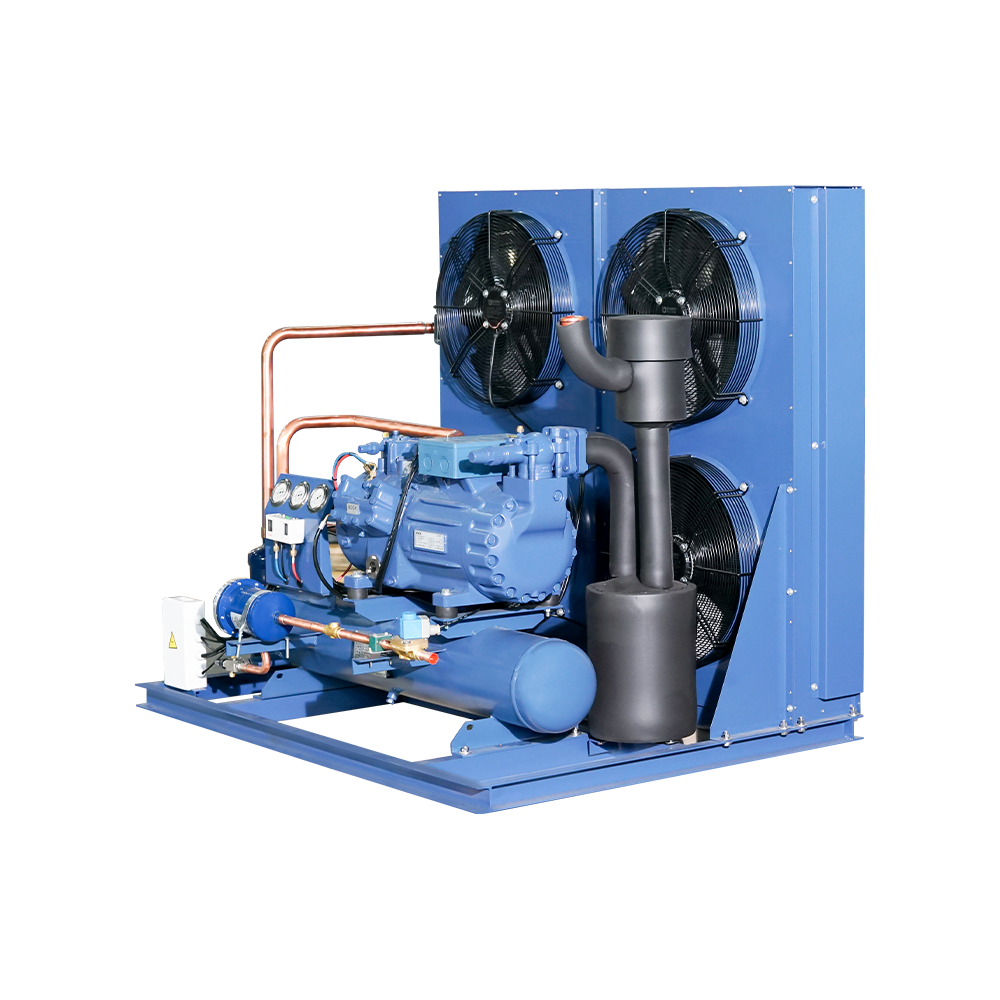
A standard condensing unit — whether called a condenser, outdoor unit, or ACCU — typically contains the following components working together:
- Compressor: Often described as the heart of the system, it raises the pressure and temperature of the refrigerant gas before it enters the condenser coil
- Condenser coil: A series of copper or aluminum tubes with fins that maximize surface area, allowing the refrigerant to release heat rapidly
- Fan motor: Pulls or pushes ambient air across the condenser coil to carry away heat; in most residential units, the fan sits at the top of the unit and blows air upward
- Refrigerant lines: The suction line carries low-pressure gas back to the compressor; the liquid line carries high-pressure liquid refrigerant to the indoor expansion valve
- Pressure switches: Safety devices that monitor high and low refrigerant pressures to prevent damage to the compressor and other components
- Electrical components: Contactors, capacitors, relays, and a control board that manage the startup and operation of the compressor and fan motor
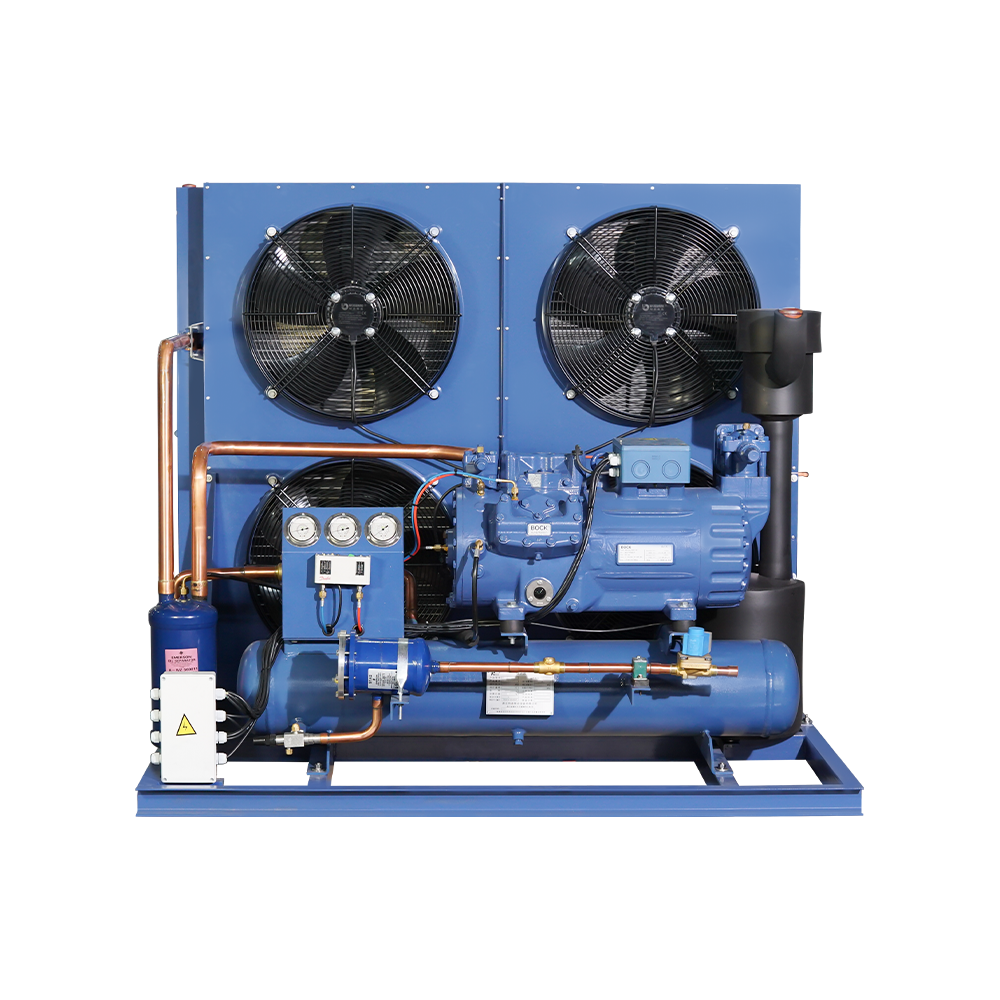
In more advanced or industrial configurations, the condensing unit may also include an oil separator, liquid receiver tank, filter dryer, sight glass, suction line accumulator, and vibration eliminators. These additional parts make the unit suitable for demanding environments such as cold storage warehouses, pharmaceutical refrigeration, or commercial food service.
Types of Condensing Units and Their Specific Names
The type of condensing unit also affects what it gets called. There are three primary categories, each defined by the medium used to dissipate heat from the refrigerant. Knowing these distinctions is valuable when reading product specs, comparing equipment, or communicating with contractors.
Air-Cooled Condensing Unit (ACCU)
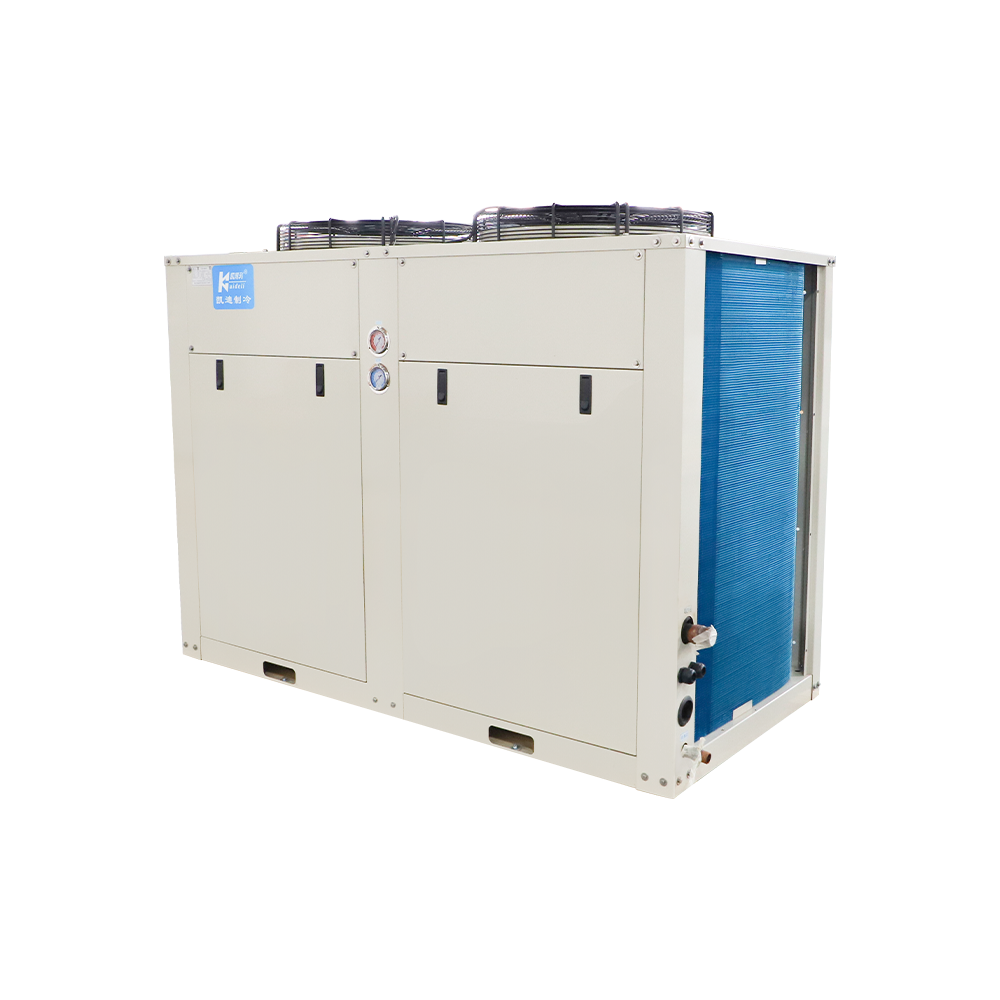
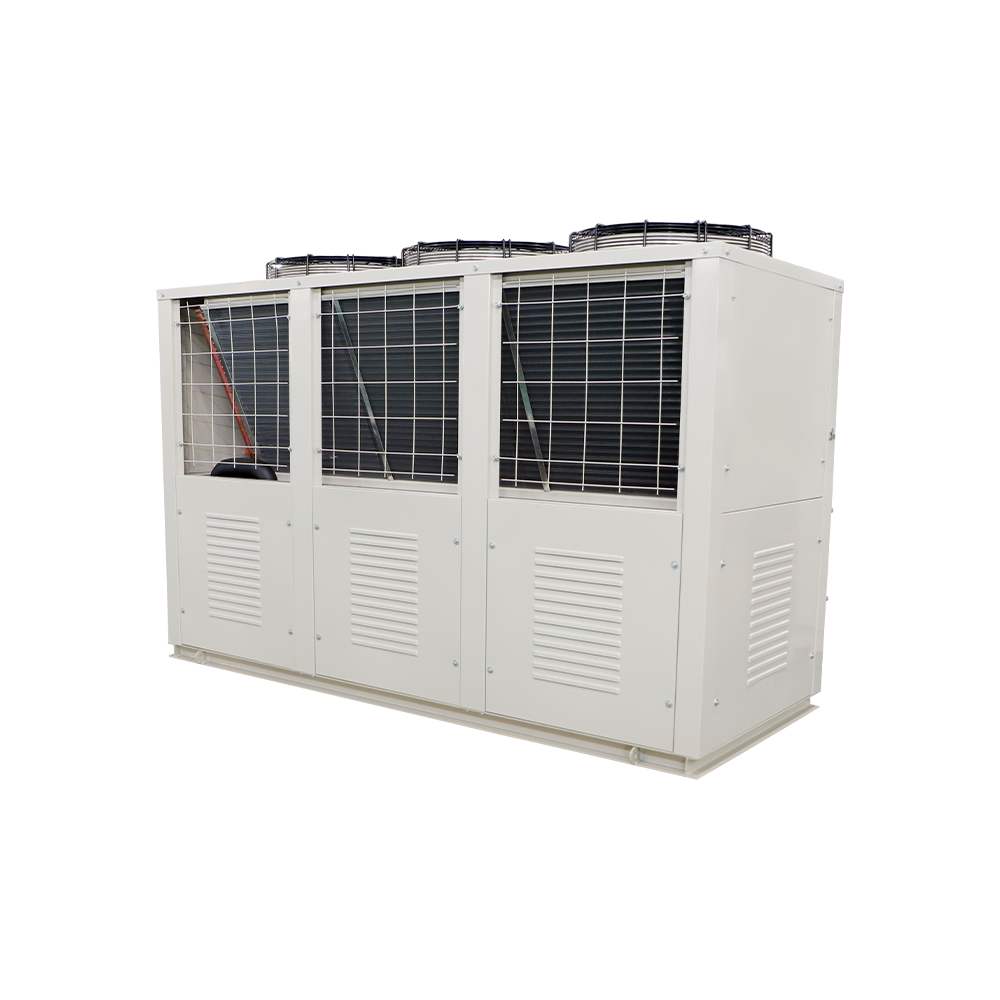
This is the most common type found in residential air conditioning, light commercial refrigeration, and small industrial applications. The air-cooled condensing unit uses ambient air blown by fans across finned coils to carry heat away from the refrigerant. Because it requires no water supply or plumbing connection, it is the easiest to install and maintain. Residential split-system air conditioners almost always use an air-cooled condensing unit as their outdoor component. The ACCU acronym appears frequently in industrial specifications for this type.
One practical consideration: air-cooled condensing units perform slightly less efficiently in very hot climates because the ambient air used for heat rejection is itself warm. On a 95°F (35°C) day, the unit must work harder to push heat into air that is already hot. Despite this, their simplicity and low maintenance cost make them the dominant choice globally.
Water-Cooled Condensing Unit
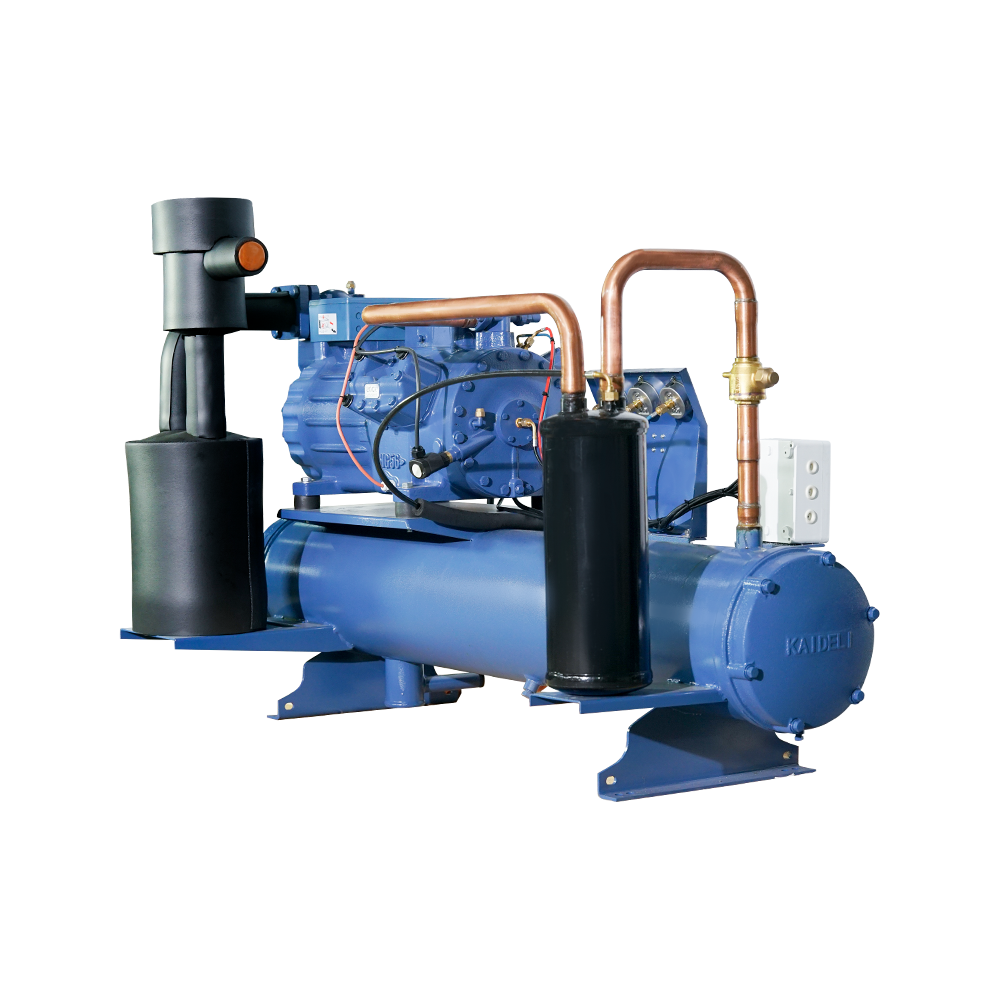
A water-cooled condensing unit uses water as the heat-exchange medium instead of air. Water has a much higher heat capacity than air, which allows water-cooled units to be more compact and operate at lower condensing pressures. This gives the system more precise pressure control and can result in better energy efficiency under certain load conditions. Water-cooled condensing units are common in large commercial buildings, industrial process cooling, and facilities where space is limited and a cooling tower or water supply is already available.
The trade-off is infrastructure: water-cooled units require a reliable water supply, proper water treatment to prevent scaling and corrosion, and a way to dispose of the heated water — often through a cooling tower. They also need indoor installation to protect the water system from freezing, unlike their air-cooled counterparts which live outdoors year-round.
Evaporative Condensing Unit
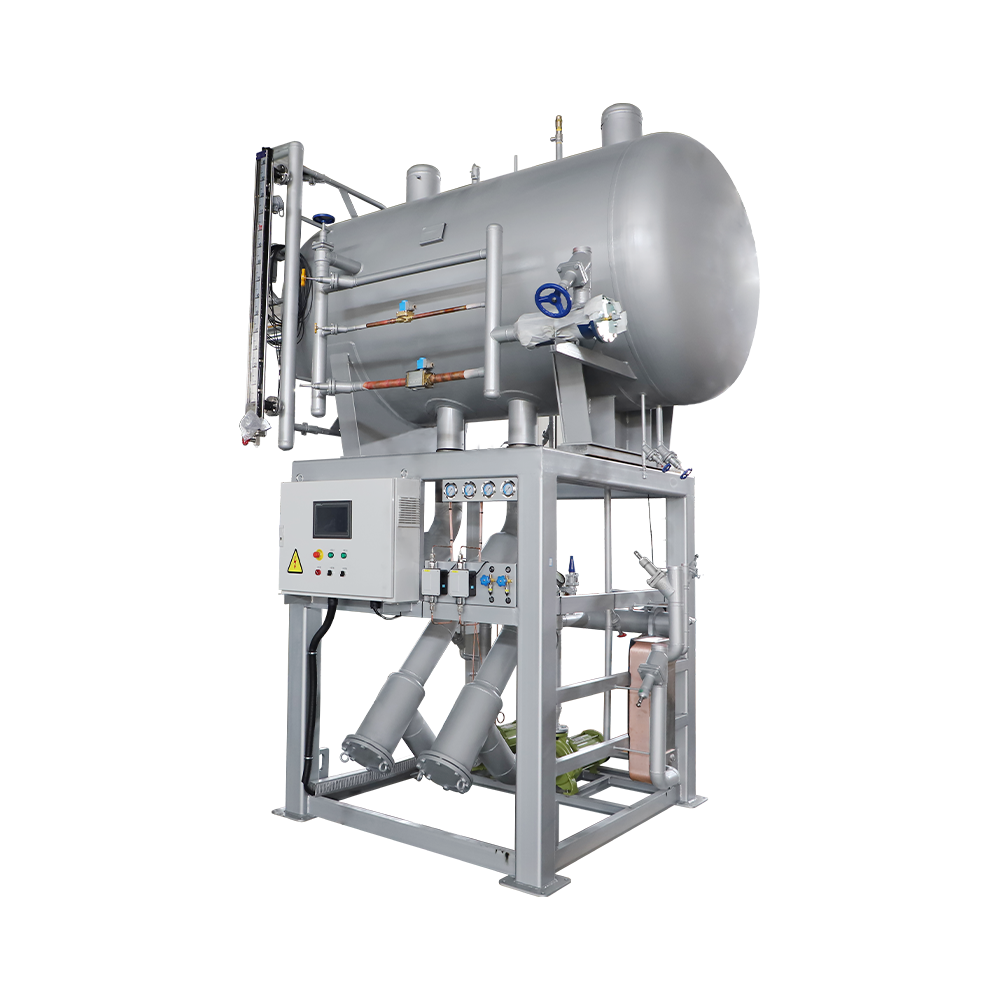
The evaporative condensing unit is sometimes called an evaporative condenser. It combines both air and water cooling: a sump sprays water over the condenser coils while a fan blows air across them. The water evaporates, and the heat required to vaporize the water is drawn from the refrigerant, making this a highly efficient heat rejection method. Evaporative condensing units are particularly effective in hot, dry climates where evaporation rates are high, and they are used in large industrial refrigeration plants, cold storage facilities, and food processing operations.
| Type | Cooling Medium | Common Applications | Installation Location | Relative Efficiency |
|---|---|---|---|---|
| Air-Cooled (ACCU) | Ambient air | Residential AC, light commercial | Outdoors | Moderate |
| Water-Cooled | Water supply | Large commercial, industrial | Indoors | High |
| Evaporative | Air + water spray | Industrial refrigeration, food processing | Outdoors or rooftop | Very high (dry climates) |
Condensing Unit vs. Condenser Coil: Knowing the Difference
A common source of confusion is the distinction between a condensing unit and a condenser coil. These are not the same thing, and mixing them up can lead to costly misunderstandings when ordering parts or describing a problem to a technician.
The condenser coil is a single component — a set of metal tubes and fins through which refrigerant flows while releasing heat. The condensing unit is the entire outdoor assembly, which includes the condenser coil plus the compressor, fan motor, electrical components, refrigerant lines, and housing. Think of the condenser coil as one organ inside the larger body of the condensing unit.
When a technician says the condenser coil is dirty or bent, they are talking about a specific part that can sometimes be cleaned or repaired independently. When they say the condensing unit needs to be replaced, they are talking about the entire outdoor box — a significantly larger and more expensive job, typically ranging from $1,200 to $4,500 or more for a residential unit, depending on size, efficiency rating, and local labor costs.
Where Condensing Units Are Used Beyond Home Air Conditioning
Most people encounter the term condensing unit in the context of home air conditioning, but the technology and its various names appear across a broad range of industries. Understanding these applications clarifies why the terminology shifts from one field to another.
Commercial Refrigeration
Walk-in coolers, walk-in freezers, display cases in grocery stores, and cold storage rooms all rely on condensing units. In these settings, the unit is frequently called a refrigeration condensing unit or simply a refrigeration unit. A single condensing unit can serve as the sole refrigeration source for a cold store, a transportation chiller for refrigerated trucks, or a large industrial freezer capable of maintaining temperatures as low as -80°C for ultra-low temperature storage. Refrigeration-focused manufacturers typically offer condensing units rated for low-temperature (below -20°C), medium-temperature (-5°C to -20°C), and high-temperature (0°C to 15°C) applications.
Industrial and Process Cooling
In power plants, condensers convert turbine exhaust steam back into water so it can be reused in the steam cycle — improving overall energy efficiency dramatically. In distilleries and chemical processing plants, condensers cool vapor back to liquid during distillation. In pharmaceutical manufacturing, tightly controlled condensing units maintain precise temperatures required for drug stability. In all of these contexts, the device may be called a condenser rather than a condensing unit, though the underlying principle is identical.
Heat Pump Systems
In a heat pump, the outdoor unit functions as both a condenser and an evaporator depending on the season. In cooling mode, the outdoor unit acts as the condensing unit, rejecting heat from the refrigerant to the outside air. In heating mode, it acts as the evaporator, extracting heat energy from outdoor air and bringing it inside. Because of this dual role, the outdoor component of a heat pump is often called the outdoor unit rather than the condensing unit specifically — though it remains functionally a condensing unit during the cooling season.
Household Refrigerators
Your kitchen refrigerator also contains a condenser, though it looks nothing like the box outside your home. In older refrigerators, the condenser was a set of exposed coils on the back of the unit that radiated heat into the room. In modern refrigerators, the condenser coils are hidden beneath or behind the unit. While you would not typically call this a condensing unit in everyday speech, the component and its function are technically identical to those found in a large HVAC condensing unit.

How to Identify a Condensing Unit — and Recognize It By Any Name
If you are standing outside a residential or commercial building and see a metal box or cylindrical cabinet producing warm air and making a low hum, you are almost certainly looking at a condensing unit — also known as the outdoor unit, the condenser, or the condenser unit. Here are the physical signs that confirm what you are looking at:
- It sits outdoors, usually on a concrete pad, a rooftop, or a wall bracket
- It blows warm air — either upward through a grille on top or horizontally through the sides
- It is connected to the indoor unit by two copper pipes (refrigerant lines) that run through the wall
- It produces a steady low hum from the compressor and fan motor during operation
- It has metal fins or louvers on the sides — these are the condenser coil fins that allow air to pass through
- It has an electrical disconnect box nearby and sometimes a shutoff switch mounted on the wall
Whether the technician who services it calls it a condensing unit, outdoor unit, or condenser, they are looking at the same equipment. The name you encounter depends mostly on who is speaking and what field they come from — not on any real technical difference in the hardware itself.
Maintenance Considerations for Your Condensing Unit
No matter what name is used for the equipment, keeping the condensing unit clean and unobstructed is essential to efficient operation. Because the unit relies on moving air through the condenser coil to reject heat, anything that blocks that airflow forces the system to work harder, raises energy consumption, and shortens component life.
HVAC professionals consistently recommend keeping at least 24 inches of clearance on all sides of an outdoor condensing unit and ensuring no shrubs, fences, or other structures obstruct airflow above the fan discharge. A condensing unit running with blocked airflow can see head pressure rise by 10–15% or more, which directly reduces cooling capacity and increases electricity use.
Other routine maintenance points include:
- Annual coil cleaning: Dirt, cottonwood seed, grass clippings, and other debris accumulate on the condenser coil fins and restrict airflow. A technician uses a coil cleaner and low-pressure rinse to restore airflow without bending the fins
- Refrigerant level checks: Low refrigerant (often caused by a slow leak) reduces the amount of heat the system can move, causing the compressor to overheat and eventually fail. Refrigerant should only be handled by a licensed technician
- Electrical connection inspection: Vibration over time can loosen electrical connections in the contactor, capacitor, and control board, leading to intermittent operation or sudden failure
- Fan blade inspection: Bent or unbalanced fan blades cause vibration that accelerates bearing wear in the fan motor
- Placement in shade when possible: A condensing unit installed in a shaded location operates more efficiently in summer because the ambient air around it is cooler, reducing the temperature differential the system must overcome
Skipping annual maintenance on a condensing unit is one of the most common reasons homeowners and facility managers face premature compressor failures — a repair that typically costs $800 to $2,800 for a residential unit and far more for commercial systems.
Efficiency Ratings and What They Mean for Condensing Units
When purchasing a condensing unit or a complete split-system air conditioner, you will encounter efficiency ratings that directly affect your operating costs. For air conditioning, the primary rating is the SEER2 (Seasonal Energy Efficiency Ratio), which replaced the older SEER standard in the United States beginning in 2023. SEER2 measures how much cooling output (in BTUs) a unit delivers per watt-hour of electricity consumed over a typical cooling season under updated testing conditions that better reflect real-world installation.
Higher SEER2 numbers mean lower electricity bills. A condensing unit with a SEER2 rating of 16 will typically cost 20–30% less to operate than a unit with a SEER2 rating of 13, assuming similar use patterns. The minimum SEER2 required by federal standards varies by region in the United States — southern states require higher minimums due to heavier cooling loads. Most new residential condensing units on the market fall between SEER2 13.4 and 21+, with premium variable-speed compressor units reaching the higher end.
For refrigeration condensing units, the relevant efficiency metrics are different: EER (Energy Efficiency Ratio) and COP (Coefficient of Performance) are more commonly used, especially for low-temperature applications where the SEER framework does not apply.
Frequently Confused Terms Related to Condensing Units
Beyond the primary question of what another name for a condensing unit is, several closely related terms cause regular confusion. Clearing these up prevents miscommunication when dealing with HVAC contractors, purchasing replacement parts, or reading product specifications.
Condensing Unit vs. Air Handler
In a split system, the condensing unit (outdoor unit) pairs with an air handler (indoor unit). The air handler contains the evaporator coil, blower fan, and sometimes an electric or gas heating element. Together, they form a complete HVAC system. They are two distinct pieces of equipment, though they are often purchased and replaced as a matched pair to ensure compatibility and maintain efficiency ratings.
Condensing Unit vs. Packaged Unit
A packaged unit (also called a packaged HVAC system or rooftop unit) combines both the outdoor and indoor components — compressor, condenser coil, evaporator coil, and blower — into a single cabinet, typically installed on a rooftop or on a slab outside. A condensing unit, by contrast, is only the outdoor half of a split system. Packaged units are common in commercial buildings and in homes without a basement or attic space for an indoor air handler.
Condensing Unit vs. Chiller
A chiller is a large-scale cooling system that cools water (or a water-glycol mixture) rather than air directly. The chilled water is then circulated to fan coil units or air handling units throughout a large building. A chiller contains its own condensing section — either air-cooled or water-cooled — but the overall system is called a chiller, not a condensing unit, because its output is chilled water rather than direct refrigerant-to-air heat exchange. Large office towers, hospitals, and university campuses typically use chillers rather than individual condensing units.