

 English
 中文简体
Content
- 1 What Is a CO2 Chiller and How Does It Differ From a Conventional Chiller?
- 2 CO2 vs HFCs and Other Natural Refrigerants: Key Comparison Data
- 3 How the Transcritical CO2 Cycle Works
- 4 Key Selection Criteria for a CO2 Chiller
- 5 CO2 Chiller System Architecture Options
- 6 Heat Rejection and Gas Cooling Options
- 7 Where CO2 Chillers Deliver the Best Results
- 8 Operating Costs, Maintenance, and Procurement Risks
- 9 Frequently Asked Questions About CO2 Chillers
- 9.1 What is the difference between a CO2 chiller and a normal chiller?
- 9.2 Is CO2 refrigerant flammable or toxic?
- 9.3 What pressure does a CO2 chiller operate at?
- 9.4 Can a CO2 chiller replace an existing R404A system?
- 9.5 Are CO2 chillers more expensive than HFC chillers?
- 9.6 What temperatures can a CO2 chiller achieve?
If you are evaluating industrial or commercial cooling equipment, the direct answer is this: a CO2 chiller is a vapor-compression chiller that uses carbon dioxide (R744) as the refrigerant, and it can supply chilled water, brine, or direct-expansion cooling from roughly +5°C down to -35°C without relying on high-GWP refrigerants. Because CO2 has a critical temperature of only 31.1°C, the chiller frequently operates in the transcritical region on warm days, with high-side pressures of 80 to 120 bar instead of the 15 to 25 bar typical of R134a or R404A machines. That single difference drives every other decision you will make about the equipment, from component selection and pipe-jointing method to the control strategy and service plan.
The headline numbers are clear. CO2 has a 100-year global warming potential (GWP) of 1, an ozone depletion potential (ODP) of zero, and an ASHRAE Standard 34 safety classification of A1, which means non-flammable and low toxicity. It is inexpensive, available in all markets, and not exposed to the supply and cost constraints that increasingly affect high-GWP HFC refrigerants. Because CO2's volumetric refrigerating effect is commonly quoted as five to eight times that of R404A at typical refrigeration evaporating conditions, the required compressor displacement and pipe diameters are much smaller than an equivalent HFC plant of the same capacity, and the refrigerant charge is correspondingly lower.
The rest of this guide covers what a CO2 chiller does differently, how to compare it with conventional refrigerants, how the transcritical cycle actually works, what to specify, which applications benefit most, and what maintenance and procurement risks to plan for. The emphasis is practical: the tolerances, operating limits, and design details that separate a reliable plant from an expensive problem.
What Is a CO2 Chiller and How Does It Differ From a Conventional Chiller?
A conventional chiller evaporates a hydrofluorocarbon (HFC) such as R134a or R404A in a shell-and-tube or brazed-plate evaporator, compresses the vapor, and condenses it in an air-cooled or water-cooled condenser. The entire high-pressure side of the cycle remains below the refrigerant's critical point, so the condenser changes the refrigerant from gas to liquid at a nearly constant temperature.
A CO2 chiller follows the same vapor-compression principle but with a decisive difference. Carbon dioxide's critical temperature is 31.1°C, which means that whenever the heat-rejection temperature is above roughly 25-30°C, the high side of the cycle is supercritical. The condenser becomes a gas cooler. The refrigerant leaves the compressor as a supercritical gas at 80-120 bar, is cooled without condensing, and is then expanded directly to the evaporating pressure.
The practical consequences are visible throughout the machine. The pipework is designed for a working pressure of at least 120 bar and is usually brazed or welded rather than flared. Compressors must tolerate discharge temperatures of 100-130°C and need effective oil cooling. The expansion valve must manage a pressure drop that can exceed 50 bar. High-pressure relief valves discharge to atmosphere, which is acceptable because CO2 is neither flammable nor toxic at the concentrations normally involved.
In other words, a CO2 chiller is a purpose-built machine, not a converted HFC chiller. The quality of the system design, the gas-cooler sizing, and the control logic determine how much energy it consumes and how reliably it runs in day-to-day service.
CO2 vs HFCs and Other Natural Refrigerants: Key Comparison Data
The table below compares the refrigerants most often considered in chiller projects. GWP values follow the IPCC Fifth Assessment Report (100-year time horizon). Safety classes follow ASHRAE Standard 34. Critical temperature and pressure values come from published refrigerant saturation data.
| Refrigerant | GWP (100-yr) | ODP | Safety class | Typical high-side pressure | Critical temp. | Volumetric capacity vs R404A |
|---|---|---|---|---|---|---|
| R744 (CO2) | 1 | 0 | A1 | 30-50 bar subcritical, 80-120 bar transcritical | 31.1°C | 5-8 times |
| R134a | 1,430 | 0 | A1 | 15-25 bar | 101.0°C | 0.6 times |
| R404A | 3,922 | 0 | A1 | 18-25 bar | 72.1°C | 1.0 (reference) |
| R290 (propane) | 3 | 0 | A3 | 15-25 bar | 96.7°C | 0.7 times |
| R717 (ammonia) | 0 | 0 | B2 | 10-20 bar | 132.3°C | 1.5 times |
Two conclusions follow immediately from this comparison. First, from a climate-accounting standpoint, CO2 is in the same category as ammonia: a GWP of 1 means practically zero climate impact from leakage. R404A carries a GWP of 3,922, so a small annual leak from an R404A machine has the same carbon-equivalent effect as a much larger quantity of CO2 released to the atmosphere.
Second, the high-side pressure of a CO2 system is four to six times higher than that of the HFC alternatives. This is the price you pay for the environmental and volumetric advantages, and it is manageable only if the manufacturer, installer, and service contractor respect the pressure rating at every point in the circuit.
How the Transcritical CO2 Cycle Works
The Five Process Steps
- Compression. Low-pressure vapor enters the compressor at roughly 25-40 bar and leaves at 80-120 bar. Discharge temperatures of 100-130°C are normal, so the compressor must have robust oil cooling and internal temperature protection.
- Gas cooling. The supercritical vapor is cooled in a gas cooler by air, water, or evaporative media. It does not condense. The gas-cooler outlet temperature, normally 35-45°C, is the single most important variable for system efficiency.
- Expansion. An electronic expansion valve drops the pressure from the high-side level to the evaporating level, typically 25-40 bar. The valve position is continuously adjusted to hold the optimum discharge pressure.
- Evaporation. Liquid CO2 evaporates at a temperature determined by the application, typically -10°C for chilled water duty and down to -40°C for freezer duty, extracting heat from the chilled fluid or the air stream.
- Suction. The superheated vapor returns to the compressor through a suction accumulator or liquid separator, which protects the compressor from liquid slugging during changing loads and defrost cycles.
Subcritical and Transcritical Operation
When the heat-rejection temperature is below roughly 25°C, CO2 condenses in the gas cooler at 40-60 bar and the cycle behaves much like a conventional refrigerant cycle. This happens frequently in cold or temperate climates and is one reason CO2 systems often achieve better seasonal efficiency than HFC equipment in those regions. When the ambient temperature rises, the system crosses into transcritical operation and the controller takes over the high-side pressure management.
Discharge Pressure Optimization
In transcritical operation, the controller continuously searches for the discharge pressure that gives the highest coefficient of performance (COP). A widely used rule of thumb in transcritical CO2 engineering is that the optimum high-side pressure is around 85-100 bar when the gas-cooler outlet is 30-35°C, and that every 1 K reduction in gas-cooler outlet temperature improves cycle COP by roughly 2-4%. This is why the heat-rejection component and the control strategy deserve as much attention as the compressor itself.
Key Selection Criteria for a CO2 Chiller
Start the selection process with the operating envelope, not the nameplate. Six checks catch most specification errors.
1. Cooling Capacity and Leaving Fluid Temperature
Size the chiller in kilowatts at the actual design ambient temperature. A CO2 chiller configured for chilled water typically delivers 0-5°C leaving fluid; a low-temperature brine version delivers -10°C to -35°C; and a direct-expansion version feeds air coolers in freezers at -25°C to -40°C. Request capacity data at the project's ambient condition, not at the industry-normalized 25°C reference point.
2. Ambient Conditions and Climate Pattern
If the site experiences long periods above 30°C, the chiller will run transcritical for most of the year, and the gas-cooler design has an outsized effect on annual energy use. If the site is cold for much of the year, the chiller runs subcritical, where CO2 is naturally efficient. Match the quoted seasonal efficiency to your own climate data rather than comparing single-point full-load COP figures.
3. Compressor Type and Operating Limits
Reciprocating compressors are common below roughly 200-300 kW of duty; screw compressors are used above that range. Verify the maximum allowable discharge temperature, the oil cooling method, and whether the compressor can operate with inverter speed control for part-load duty. These details determine both reliability and turndown capability.
4. Component Pressure Ratings and Installation Practice
Every component in the high-pressure loop must be rated for the design pressure, which is typically 120 bar or more. Confirm that the evaporator, gas cooler, lines, valves, and relief devices are all rated for that value, and insist on brazed or welded joints rather than flared mechanical connections. The most common cause of early failure in CO2 plants is the use of components and installation methods copied from HFC practice.
5. Heat Recovery Potential
CO2 chillers are the strongest candidates for heat recovery among all common refrigerants. Because the refrigerant leaves the compressor at 100-130°C, a desuperheater or a second gas-cooler stage can reliably produce 70-90°C hot water for washing, pasteurization, space heating, or boiler preheat. If the site has a simultaneous cooling and hot-water demand, factor this saving into the first-year operating cost projection.
6. Part-Load Behavior and Control Quality
Most plants run at part load for the majority of operating hours. Ask for the chiller's performance at 25%, 50%, 75%, and 100% load, and check how the controller handles discharge pressure, gas-cooler fan speed, and expansion-valve position. A chiller with slightly lower full-load COP but excellent part-load control can easily outperform a nominally better machine over a full year of operation.
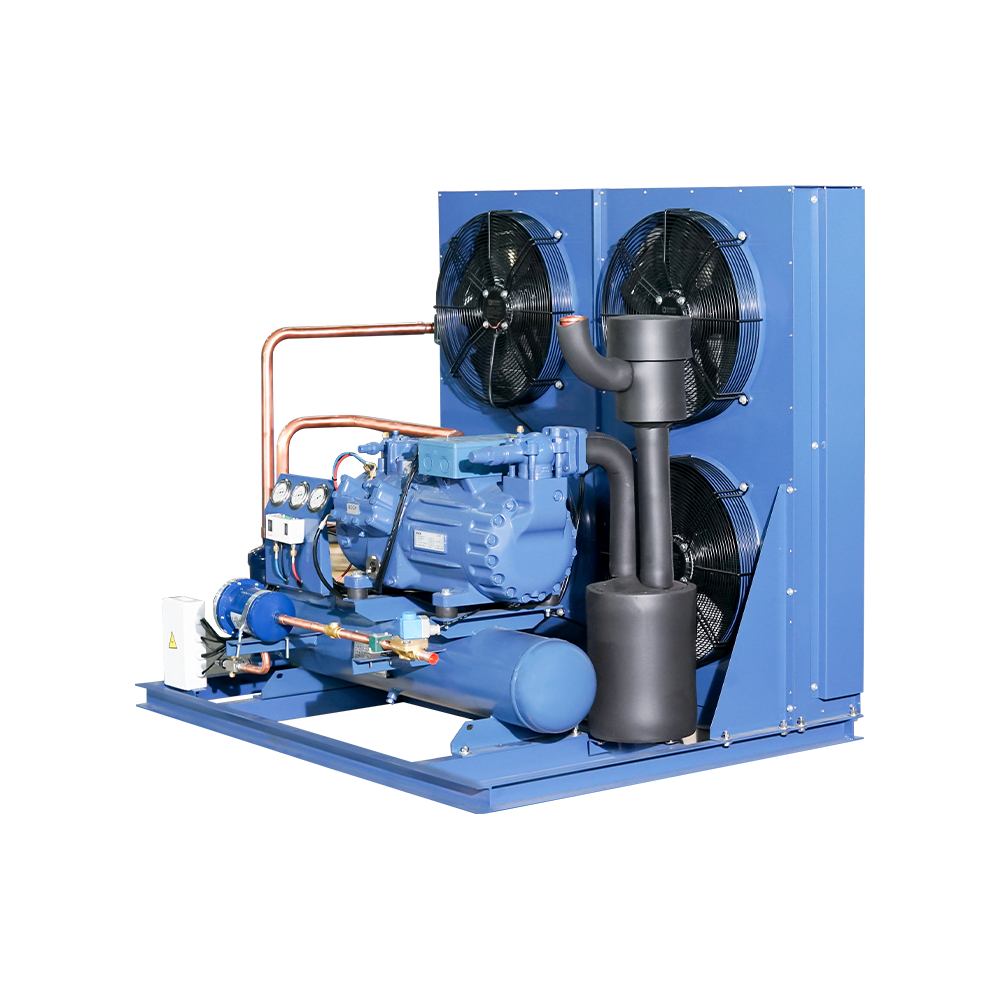
If the project also involves condensing units for cold-storage rooms, the selection logic is very similar; see this site's guide on choosing a condensing unit for cold storage applications before finalizing the plant configuration. For outdoor installation in warm climates, a packaged air-cooled chiller is the baseline to compare against; the engineering team can quote rated capacity at your specific design condition.
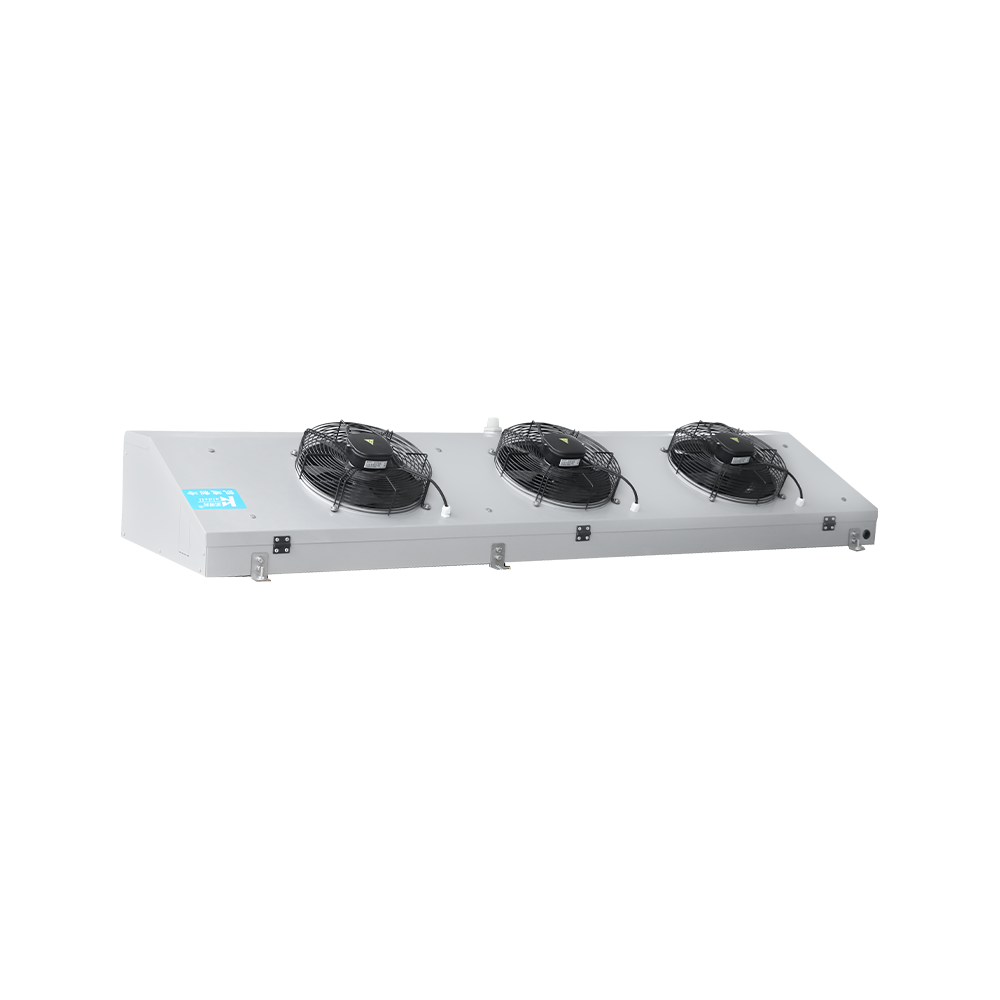
 Air Cooled Chiller from Kaidi for Outdoor Warm Climate ApplicationsAn air cooled chiller is the baseline for outdoor installations in warm climates. Kaidi, with nearly 30 years of experience, offers rated capacity at your design condition, making it the ideal reference for your system architecture comparison.View Product →
CO2 Chiller System Architecture Options
The right system architecture depends on the temperature range and the number of separate loads. Four basic layouts cover most projects.
Single-Stage Transcritical Chiller
This is the simplest CO2 chiller layout. The compressor discharges to a gas cooler, and the expansion valve feeds a single evaporator or chilled-water circuit. It suits medium-temperature duty from roughly +5°C down to -25°C and is the package most often supplied as a factory-built chiller unit.
Cascade System
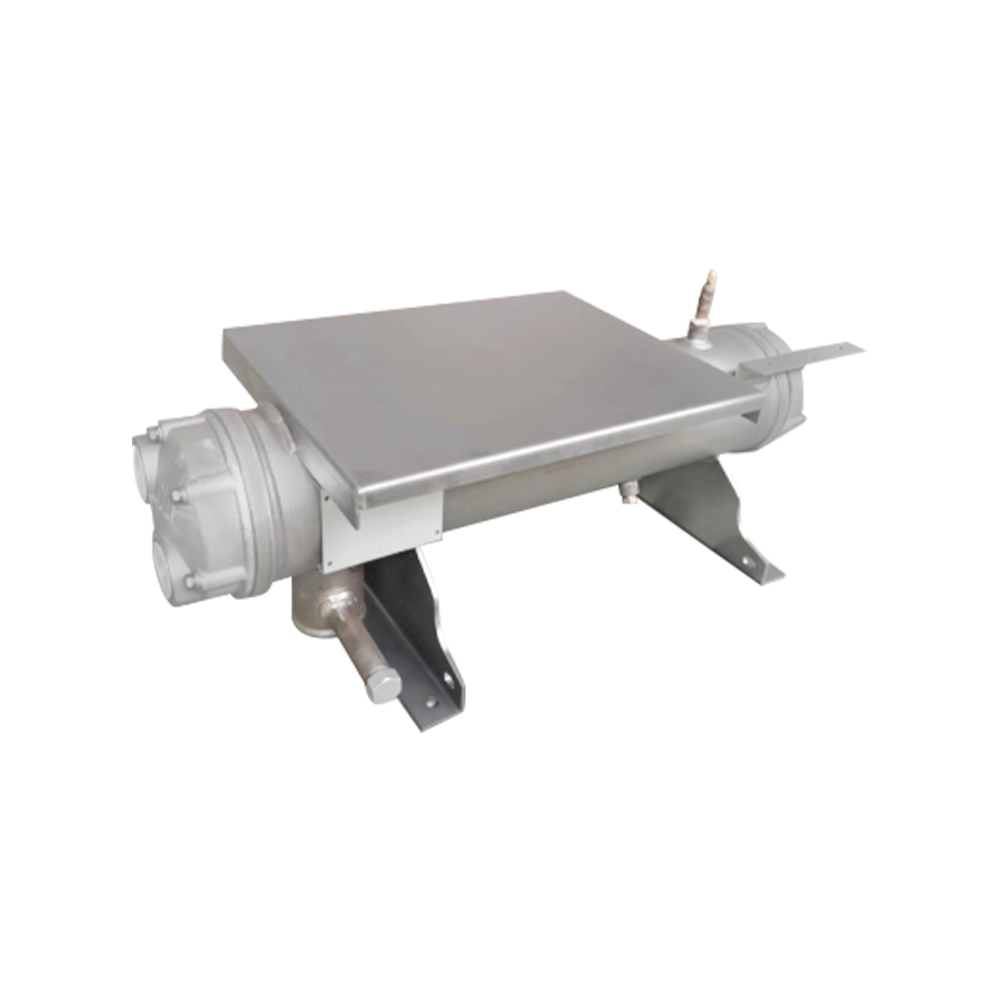
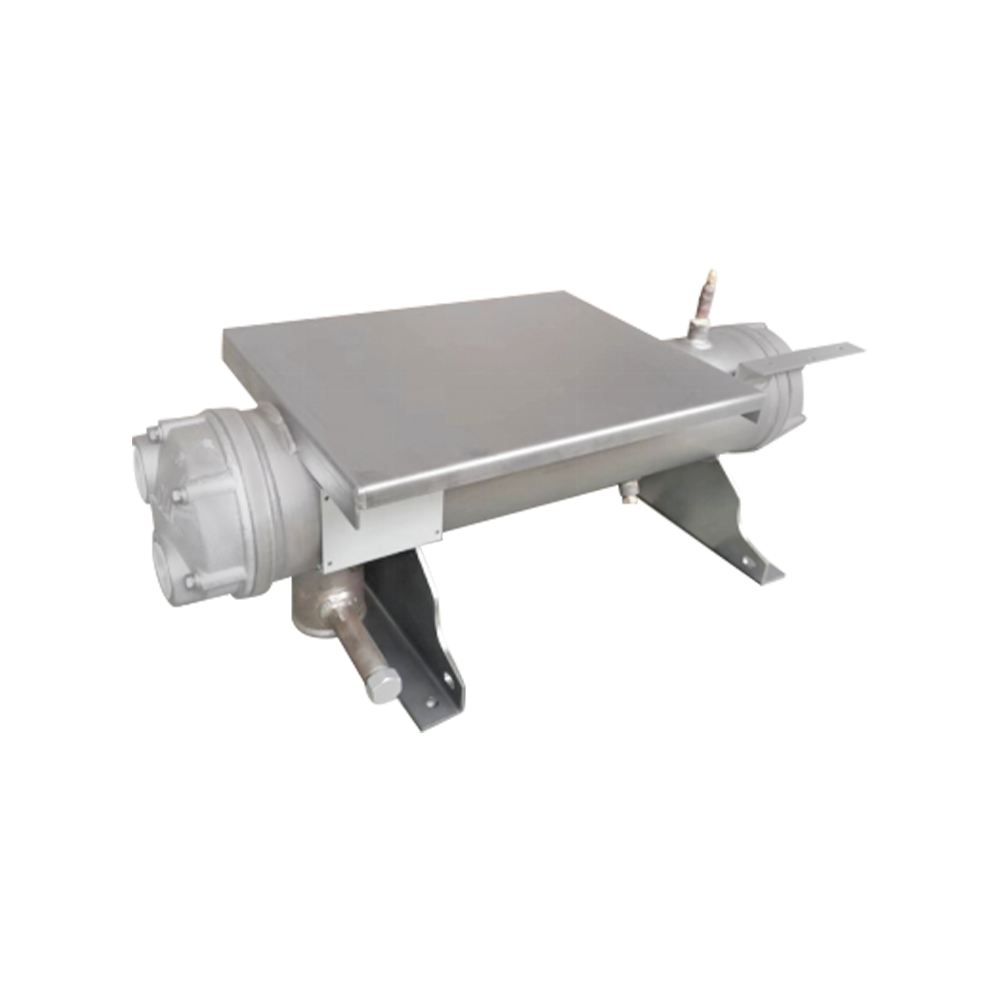
For very low temperatures, typically -35°C to -50°C, CO2 is used in the low-temperature stage while a second refrigerant such as R134a or ammonia operates in the high-temperature stage. The CO2 side stays subcritical, so the installation pressures remain moderate, and the plant can still use CO2's excellent low-temperature performance. The high-temperature side is frequently a water-cooled condensing unit when a cooling-water loop is available; Kaidi's water-cooled chillers are used in that position in several industrial cascade projects.
Water Cooled Chiller from Kaidi for Cascade Refrigeration ProjectsIn CO2 cascade systems, water cooled condensing units serve as the high-temperature stage. Kaidi's water cooled chillers have been used in several industrial cascade projects, providing efficient heat rejection where a cooling water loop is available.View Product →
Transcritical Booster System
Booster systems combine a medium-temperature circuit and a low-temperature circuit in one plant. They are the dominant solution in large supermarkets but also appear in food logistics and distribution centres. The medium-temperature compressor discharge is gas-cooled, and the low-temperature compressors discharge into the medium-temperature suction line, which improves overall efficiency compared with two separate systems.
Pumped CO2 Secondary-Loop System
In this architecture, liquid CO2 is pumped from a central plant to remote evaporators or cooling coils instead of being expanded at each point. The pump maintains a constant supply of liquid, which improves heat transfer and reduces the total refrigerant charge. This layout is used in ice rinks, cold stores, and food processing facilities where many distributed loads need reliable cooling.
Heat Rejection and Gas Cooling Options
Because every 1 K of gas-cooler outlet temperature costs roughly 2-4% in cycle COP, the heat-rejection component is the most influential part of a CO2 chiller plant after the compressor. Four rejection methods are used in practice.
- Air-cooled gas coolers reuse dry-air condenser technology at higher pressure ratings. They are simple and require no water, but their outlet temperature tracks the dry-bulb temperature, which is a disadvantage in hot, dry climates.
- Evaporative gas coolers and evaporative condensers reject heat near the ambient wet-bulb temperature, which is often 8-15 K below the dry-bulb temperature in dry climates. They are the preferred option when annual transcritical hours are high.
- Water-cooled gas coolers or water-cooled condensers are used when a cooling tower or water loop already exists, or when the plant is a cascade system with a water-cooled high stage.
- Heat-recovery gas coolers are installed as a second high-pressure heat exchanger that produces hot water at 70-90°C. The recovered heat is available whenever the chiller runs, so the effective system efficiency is far higher than the cooling-only COP suggests.
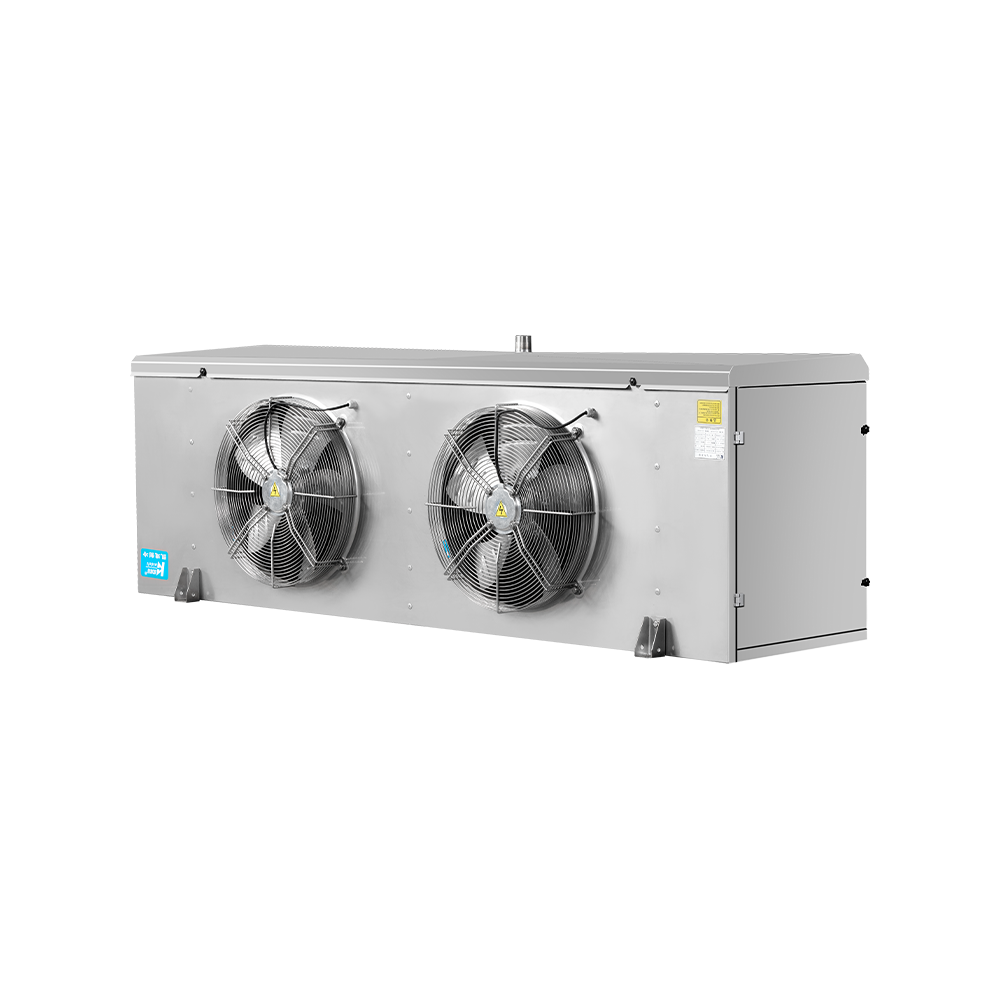
For a factory-built chiller in an industrial environment, an evaporative-condensing chiller package often gives the best balance of first cost and annual efficiency, especially where water treatment and cooling-tower maintenance are already part of the site routine. Kaidi's evaporative-condensing chiller range is built for industrial cooling duty and can be specified as the heat-rejection package in CO2 cascade or booster plants with water-side heat rejection.
Evaporative Condensing Chiller Package for Industrial Cooling DutyFor factory-built industrial chillers, an evaporative condensing package offers the best balance of first cost and annual efficiency. Kaidi's range is built for industrial duty and ideal where water treatment and cooling tower maintenance are already routine.View Product →Where CO2 Chillers Deliver the Best Results
CO2 chillers earn their operating cost in applications with large cooling loads, low temperature requirements, or simultaneous heat demand. The following applications have the strongest track record.
- Breweries and beverage plants. CO2 chillers supply 0-4°C process water steadily and simultaneously generate 70-90°C hot water that can replace or reduce boiler use. Both the cooling load and the hot-water demand are large, so the combined saving is substantial.
- Dairy processing. The plant cools milk quickly to 4°C or below and maintains cold storage at 0-4°C. CO2's non-toxic classification allows installation close to food products without the ventilation requirements that ammonia imposes.
- Cold storage and quick-freezing facilities. A direct-expansion CO2 system with air coolers at -25°C to -35°C freezes product quickly and keeps temperature fluctuation small. Hot-gas defrost is efficient because the refrigerant is always available at high temperature and pressure.
- Ice rinks. Pumped CO2 secondary loops cool the rink slab to roughly -5°C to -7°C with very low ice-temperature variation, which skaters and facility operators both value. The CO2 charge remains in the plant room, so the rink itself is leak-safe.
- Supermarkets and food retail. Transcritical booster systems handle both freezer and chilled display loads with one central plant, and the heat recovered from gas cooling is used for space heating.
- Industrial process cooling. Chemical, pharmaceutical, and plastics plants use CO2 chillers where the refrigerant policy excludes flammable or toxic fluids and where long-term HFC availability is a concern.
Operating Costs, Maintenance, and Procurement Risks
Energy Cost
A CO2 chiller's full-load COP in hot weather is lower than an equivalent R134a chiller's if you compare only cooling output. The honest comparison is seasonal: include heat recovery, free-cooling hours, part-load control, and the efficiency of subcritical operation in cold periods. On that basis, modern CO2 chiller plants regularly match or beat HFC baseline systems on annual energy cost in temperate climates, and they deliver additional value wherever hot water is needed.
Refrigerant Cost and Charge
CO2 costs a small fraction of what R404A or R134a costs per kilogram, and the required charge is much smaller because of the high volumetric capacity. Refill cost after a service event is therefore a minor line item, and there is no economic pressure to postpone fixing small leaks.
Maintenance Plan
The routine service schedule is similar to an HFC chiller: compressor oil levels and oil degradation, filter-drier condition, expansion-valve calibration, gas-cooler coil cleaning, and control-setpoint review. Two items deserve extra attention. The first is high-pressure integrity: schedule a regular inspection of all brazed and welded joints plus pressure-relief devices. The second is leak monitoring: CO2 is colorless and odorless, so enclosed plant rooms should have CO2 detection and ventilation that activates before asphyxiation levels are approached.
Procurement Risks
- Components rated for only 60-80 bar being installed in a 120-bar system, which can lead to catastrophic rupture.
- Flared mechanical joints leaking under thermal cycling; CO2 plants must use brazed, welded, or high-pressure press connections.
- Undersized gas coolers, which push the outlet temperature up, reduce COP, and extend compressor running hours on every hot afternoon.
- Control systems that run at a fixed high-side pressure instead of optimizing discharge pressure, wasting 5-15% of compressor energy.
- Service contractors without high-pressure CO2 training, which leads to long downtime and poor leak control.
You can reduce these risks by demanding a written statement of design pressure and full specifications for the compressor and gas cooler, and by choosing a supplier that provides engineering support from the sizing stage through commissioning. Contact the Kaidi engineering team directly with your load profile and site conditions to get a first-pass system layout and a comparison against conventional chilled-water plant.
Frequently Asked Questions About CO2 Chillers
What is the difference between a CO2 chiller and a normal chiller?
A normal chiller uses an HFC such as R134a or R404A and condenses the refrigerant below its critical point. A CO2 chiller uses R744, which often operates transcritically with a gas cooler at 80-120 bar instead of a condenser. The evaporator and chilled-water outputs can be identical, but the pressure level, components, and controls are completely different.
Is CO2 refrigerant flammable or toxic?
CO2 is classified A1 under ASHRAE Standard 34: non-flammable and low toxicity. At high concentrations it can displace oxygen in a confined space, so plant rooms need ventilation and CO2 leak detection. Under normal operation it is safe for food and beverage facilities.
What pressure does a CO2 chiller operate at?
The suction side is typically 25-40 bar, depending on the evaporating temperature. The high-pressure side is 40-60 bar in subcritical operation and 80-120 bar in transcritical operation. All high-side components must be rated for the system design pressure, normally 120 bar or higher.
Can a CO2 chiller replace an existing R404A system?
It is not a drop-in replacement. The evaporator, piping, expansion valves, gas cooler, compressor, and controls must all be rated for CO2's pressure and operating characteristics. A complete new plant designed around CO2 is usually required, although the existing chilled-water or brine distribution circuit can often be reused.
Are CO2 chillers more expensive than HFC chillers?
The first cost is typically 10-25% higher for the chiller package, mainly because of the high-pressure components and the control system. However, refrigerant cost is lower, heat recovery can cut energy bills, and the plant avoids the future cost and availability problems of high-GWP refrigerants. Lifecycle cost depends strongly on the application and climate.
What temperatures can a CO2 chiller achieve?
In chiller duty, CO2 can deliver leaving chilled-water or brine temperatures from about +5°C down to -35°C. With cascade arrangements, evaporating temperatures down to -50°C are possible. The application determines the architecture and the compressor selection.
A CO2 chiller is no longer an experimental product. It is a proven technology in breweries, cold stores, ice rinks, supermarkets, and industrial process plants, with well-documented behavior across every climate. The purchasers who succeed with it treat the pressure rating, the gas-cooler design, the discharge-pressure control, and the service capability of the supplier as the four non-negotiable checks. Start with those four points, and the rest of the specification follows naturally.