

 English
 中文简体
中文简体A Rack Refrigeration System Cuts Equipment Footprint by Centralizing Multiple Compressors
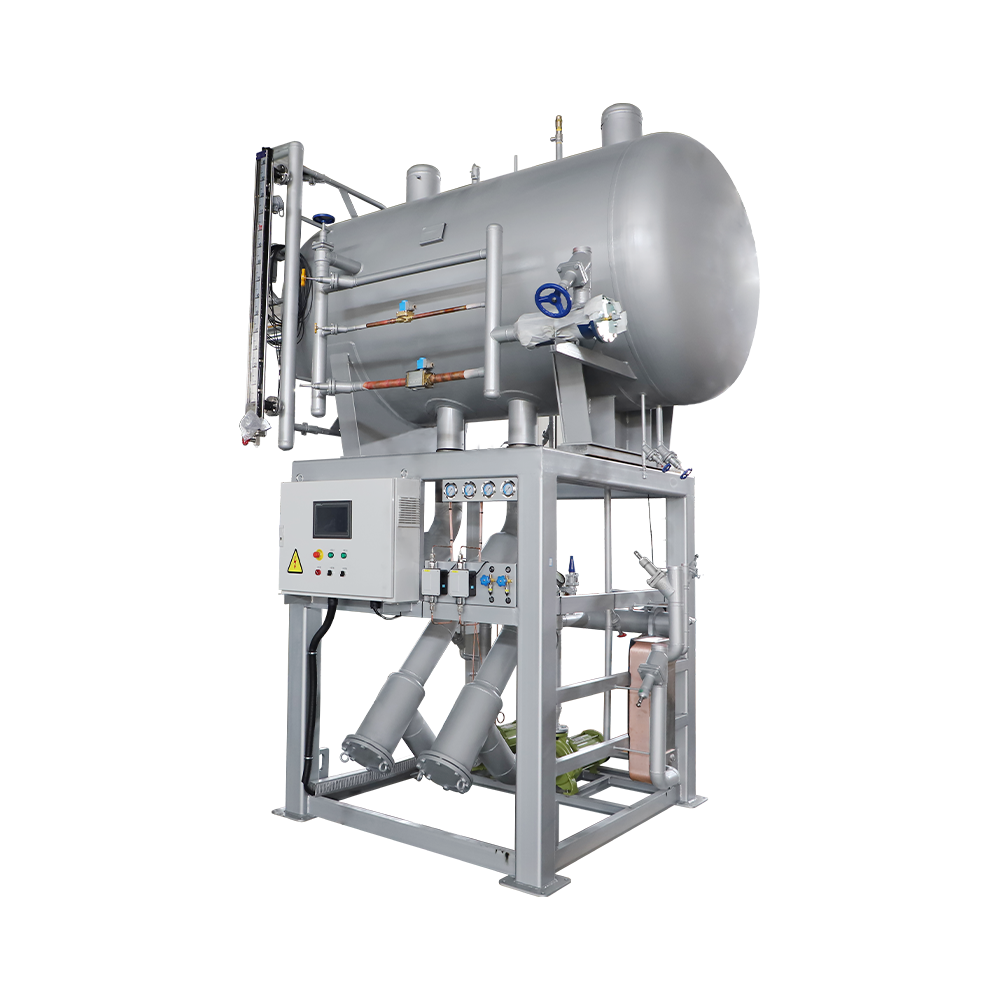
A rack refrigeration system is a refrigeration configuration in which several compressors are mounted together on a single steel frame and connected to a common suction and discharge manifold, allowing one mechanical room to serve many separate refrigerated spaces at once. Instead of installing a standalone condensing unit for every walk-in cooler, freezer case, or processing room, a facility installs one rack that distributes refrigeration capacity through a network of branch lines. This is the dominant design used in supermarkets, convenience stores, cold storage warehouses, and food and beverage processing plants because it reduces the number of compressors that need separate wiring, piping, and service access, while still letting each refrigerated zone run at its own temperature through individual expansion valves and evaporators.
The practical advantage shows up in three places: lower installed cost per ton of capacity because shared components (oil management, receivers, controls) are not duplicated; easier load balancing because compressors can be staged up or down as demand shifts through the day; and simpler service access because technicians work on one rack rather than chasing a dozen rooftop units spread across a building.
Core Components That Make Up a Rack System
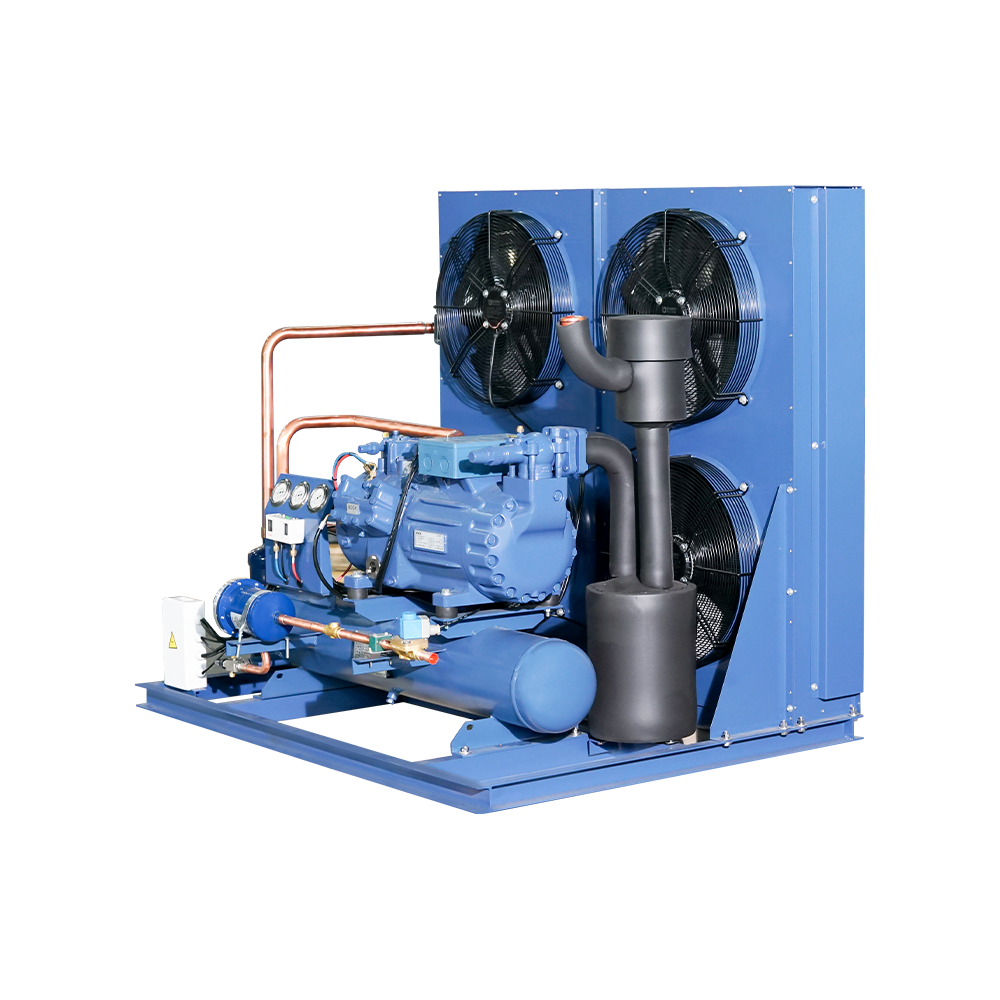
A typical parallel rack is built from a defined set of parts, each performing a specific job in the refrigeration cycle:
- Compressors — usually two to eight reciprocating, scroll, or screw compressors piped in parallel on a common suction header.
- Condenser — rejects heat absorbed from the refrigerated spaces; can be air-cooled, water-cooled, or evaporative depending on climate and water availability.
- Receiver — stores liquid refrigerant and buffers fluctuations in system charge as load changes.
- Oil separator and oil management system — returns lubricant to compressors that share a common crankcase or oil reservoir.
- Suction and discharge manifolds — steel headers that connect every compressor to the same low-side and high-side pressure.
- Controller — a microprocessor or PLC that stages compressors on and off, manages head pressure, and logs alarms.
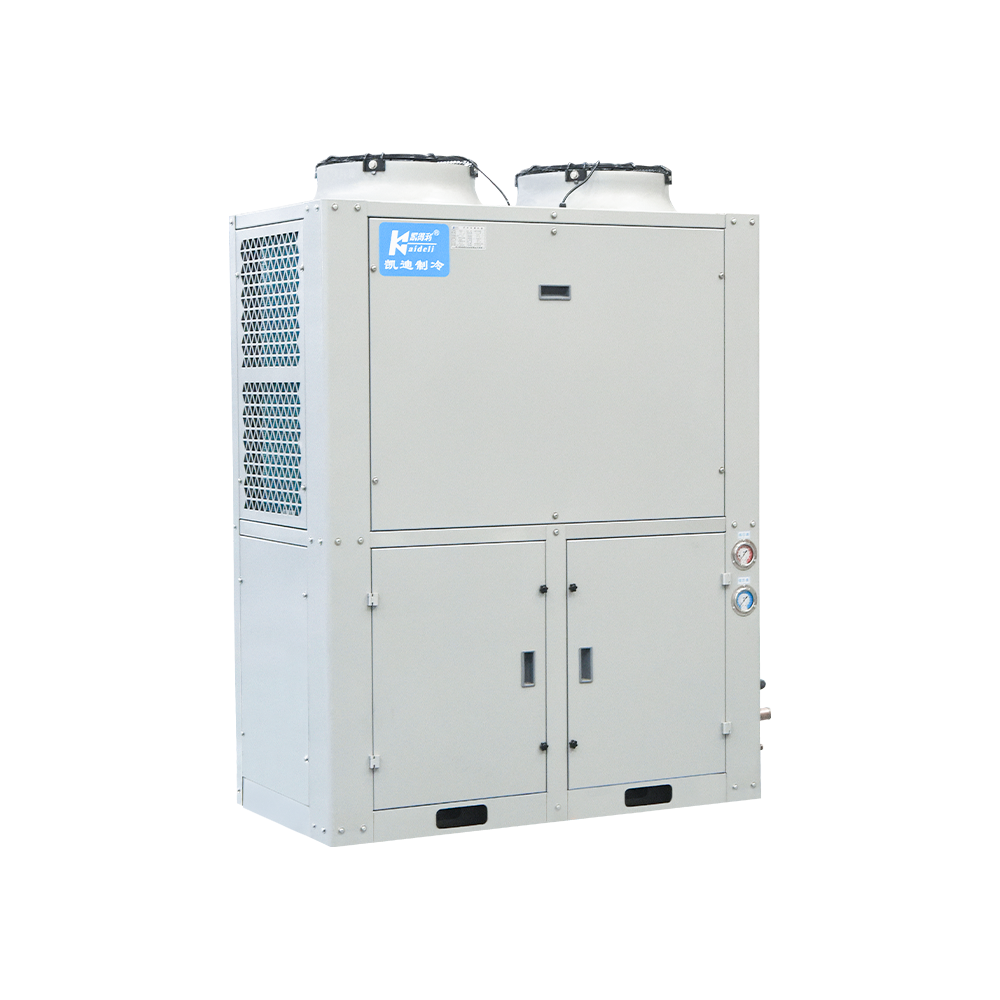
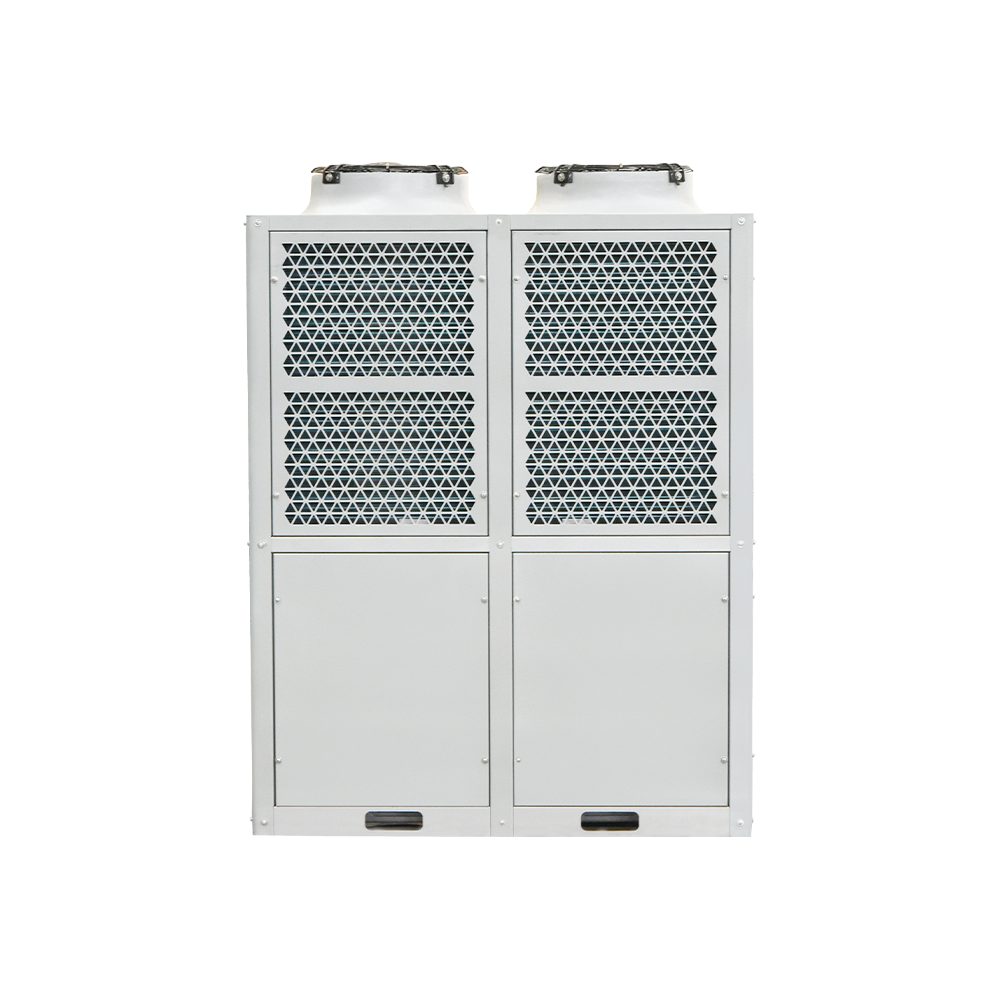
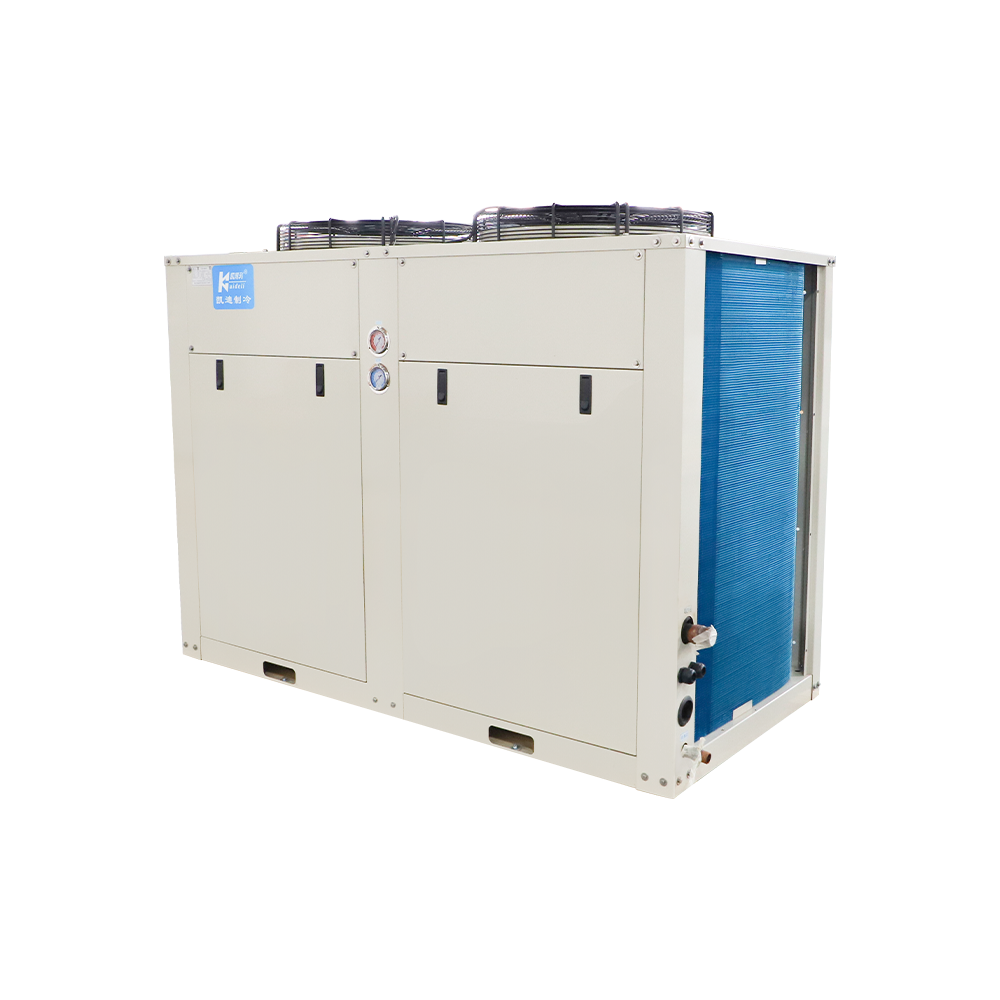
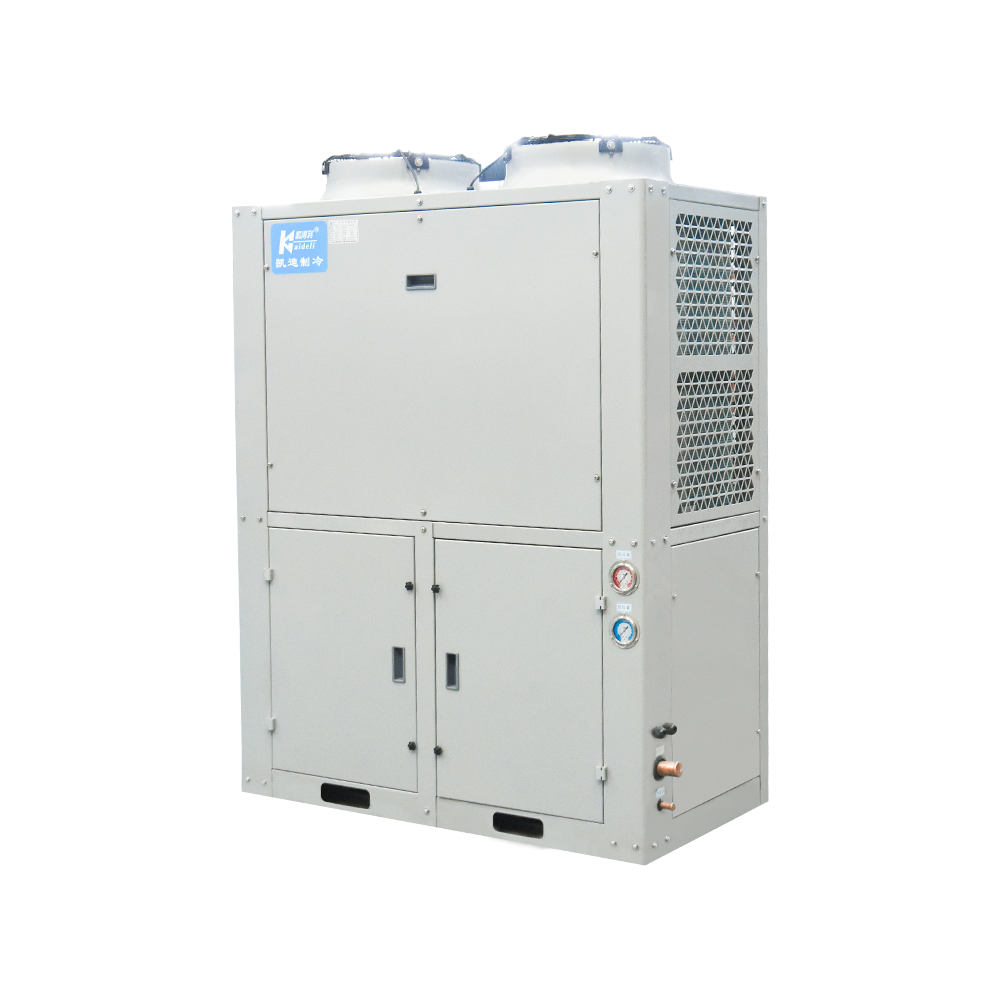
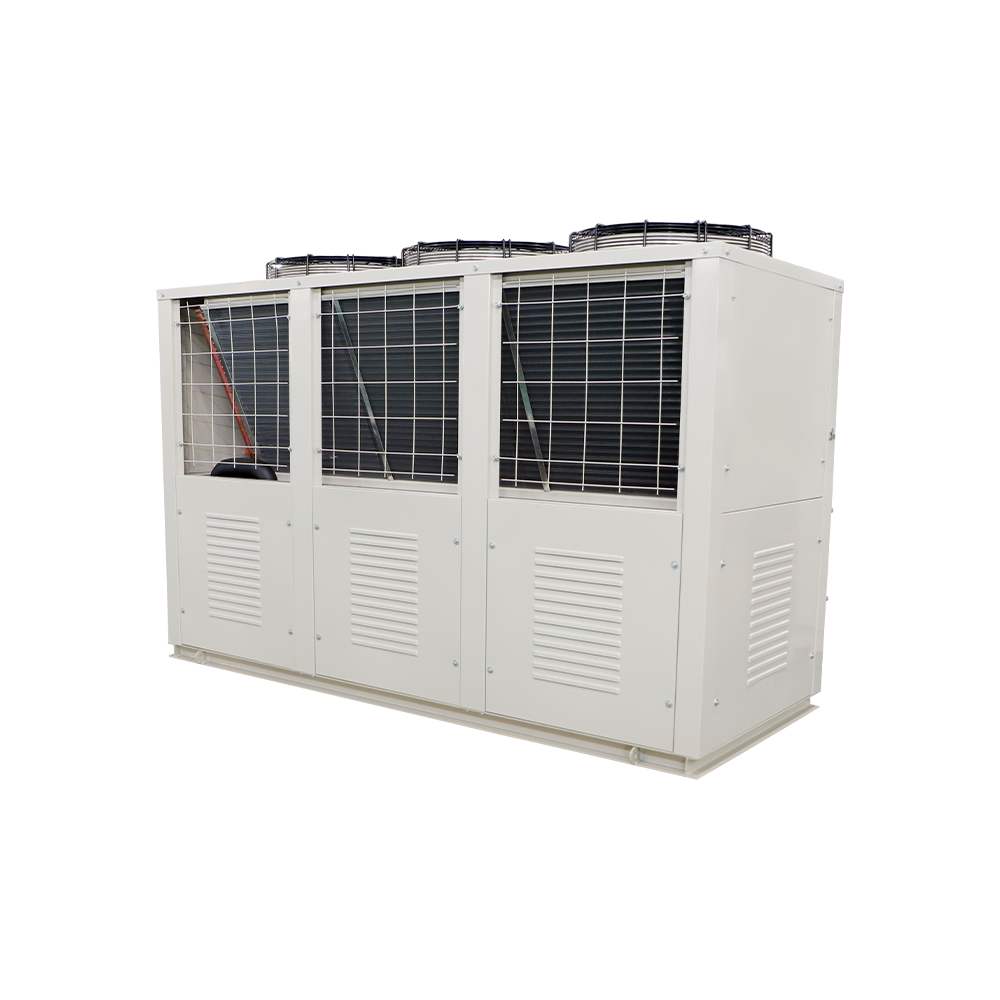
When the condenser and at least one compressor are packaged as a single sealed or semi-hermetic unit rather than spread across a rack, the result is what the industry calls a condensing unit — a self-contained block that can either stand alone for a single load or be paired with other condensing units feeding a shared piping network.
How a Condensing Unit Differs From a Full Rack
The terms are often used loosely, so it helps to separate them by scope rather than by brand name.
| Feature | Condensing Unit | Rack System |
|---|---|---|
| Number of compressors | Usually one | Two or more, piped in parallel |
| Typical application | Single room, case, or small cold store | Multiple rooms or cases on one site |
| Redundancy | Limited; one failure stops cooling | Built in; remaining compressors keep running |
| Capacity staging | Fixed or single-stage | Stepped, matched to real-time load |
| Installed footprint per ton | Higher when scaled across many units | Lower due to shared infrastructure |
Many mid-size operations use both approaches together: smaller, isolated loads such as a single produce cooler may keep a dedicated condensing unit, while the main sales floor cases and walk-in freezers run off a shared rack to gain redundancy and energy management.