

 English
 中文简体
Content
- 1 What Exactly Is a Laboratory Chiller?
- 2 Why Temperature Stability Matters More Than Raw Cooling Power
- 3 Key Selection Criteria: Capacity, Range, Stability, and Flow
- 4 Air-Cooled vs. Water-Cooled Laboratory Chillers
- 5 How to Calculate Required Cooling Capacity
- 6 Laboratory Applications and Their Chiller Requirements
- 7 Installation and Environmental Considerations
- 8 Operation and Maintenance Best Practices
- 9 Frequently Asked Questions
- 9.1 What size chiller do I need for a small laboratory?
- 9.2 Can one chiller supply several instruments at the same time?
- 9.3 What temperature stability does an HPLC system require?
- 9.4 Is an air-cooled or a water-cooled chiller better for a small laboratory?
- 9.5 How often should I change the circulating water?
- 9.6 How long does a laboratory chiller normally last?
- 10 Selecting the Right Laboratory Chiller for Your Facility
A pharmaceutical development laboratory is running a 10-litre jacketed reactor for an exothermic synthesis that must be held at 25°C. In the first five minutes of the reaction, the process generates roughly 1.5 kW of heat. If the recirculating chiller connected to the reactor jacket cannot remove that heat quickly enough and hold the temperature within ±0.5°C, the batch temperature can overshoot, the product can degrade, and the entire run must be stopped. This is why selecting a chiller for laboratory use is not about finding the coldest unit on the market; it is about matching the equipment to quantitative process requirements.
The bottom line is that a laboratory chiller should be chosen on three numbers: the cooling capacity it delivers at your working temperature, the temperature stability your instruments require, and the condenser configuration your building can support. After those three are defined, pump flow, reservoir volume, controller capability, and long-term reliability become the deciding factors.
What Exactly Is a Laboratory Chiller?
A laboratory chiller is a recirculating cooling system that removes process heat from a single instrument or a small group of instruments. It operates as a closed loop: a pump pushes a heat-transfer fluid, normally deionised water or a water-glycol mixture, through the instrument's cooling jacket or heat exchanger; the fluid collects waste heat and returns to the chiller, where it passes through an evaporator before the refrigerant circuit compresses, condenses, and throttles the working fluid back to the evaporator to repeat the cycle.
Laboratory chillers share the same thermodynamic principles as large industrial chillers, yet they differ in two important ways. First, they deliver modest capacity, typically from 0.5 kW to 15 kW. Second, they place much greater emphasis on temperature stability and on responding quickly to changing heat loads, because a laboratory experiment depends on tight temperature control over hours or even days.
Representative Specification Range
- Cooling capacity: 0.5 kW to 15 kW for benchtop and floor-standing models
- Temperature range: −40°C to +40°C in current production units
- Temperature stability: ±0.1°C to ±1.0°C depending on the control grade
- Pump flow: 2 L/min to 30 L/min at rated head
- Reservoir volume: 4 L to 30 L
When comparing models, you can inspect the complete range of laboratory chillers we manufacture to see how capacity, range, and stability are published across different sizes and control classes.
Why Temperature Stability Matters More Than Raw Cooling Power
When a validated method states that a reaction was carried out at 25.0°C, the instrument was expected to hold that value for the entire duration. A chiller that drifts by ±2°C as the heat load changes will produce different results from one that holds ±0.1°C, even though both are set at the same temperature.
The practical consequences are visible in several disciplines:
- Protein crystallography: a 1°C shift can change crystal nucleation behaviour, producing fewer crystals or crystals that diffract poorly.
- NMR spectroscopy: magnet shim stability depends on coolant held to ±0.5°C or better; wider drift creates line broadening and peak shifts.
- Reaction calorimetry: coolant temperature ripple appears as noise in the heat-flow baseline, making kinetic and enthalpy calculations unreliable.
- Rotary evaporation: fluctuating condenser temperatures change solvent recovery efficiency and the final concentration of the product.
Stability is achieved through the controller design, not by the compressor alone. Modern laboratory chillers use PID control with a temperature sensor placed in the reservoir or at the instrument return line. The controller modulates compressor capacity, hot-gas bypass, and in some configurations an electric heater, to keep the fluid temperature at the setpoint. High-grade units hold ±0.1°C even when the heat load changes sharply, which is exactly what reaction calorimetry and analytical imaging require.
Key Selection Criteria: Capacity, Range, Stability, and Flow
The habit of checking only the lowest achievable temperature on a data sheet often leads to the wrong purchase. What matters is the capacity at the exact temperature your process needs, because refrigerant compressor output drops as the evaporator temperature falls.
| Parameter | What to Check | Why It Matters |
|---|---|---|
| Cooling capacity at setpoint | kW rating at your operating temperature, not at the reference condition | A unit rated 3 kW at 20°C may deliver only 1.8 kW at −10°C |
| Temperature range | Minimum and maximum fluid temperatures | HPLC systems often require up to 40°C for column washing |
| Temperature stability | ±0.1°C for NMR, SEM, calorimetry; ±0.5°C for evaporators and general duty | Tighter control protects sensitive measurements but adds cost |
| Pump flow and pressure | L/min and bar at the instrument connection | Excess flow can cause vortexing in reaction vessels |
| Reservoir volume | 4 L to 30 L depending on unit | A larger reservoir absorbs intermittent heat spikes without setpoint drift |
| Refrigerant type | Current low-GWP refrigerants such as R449a or R410a | Affects serviceability and compliance with environmental regulations |
Always request the performance curve from the manufacturer, because it shows how capacity falls as the setpoint is lowered. A chiller rated at 3 kW at 20°C is not the same product as one rated at 3 kW at 0°C.
Air-Cooled vs. Water-Cooled Laboratory Chillers
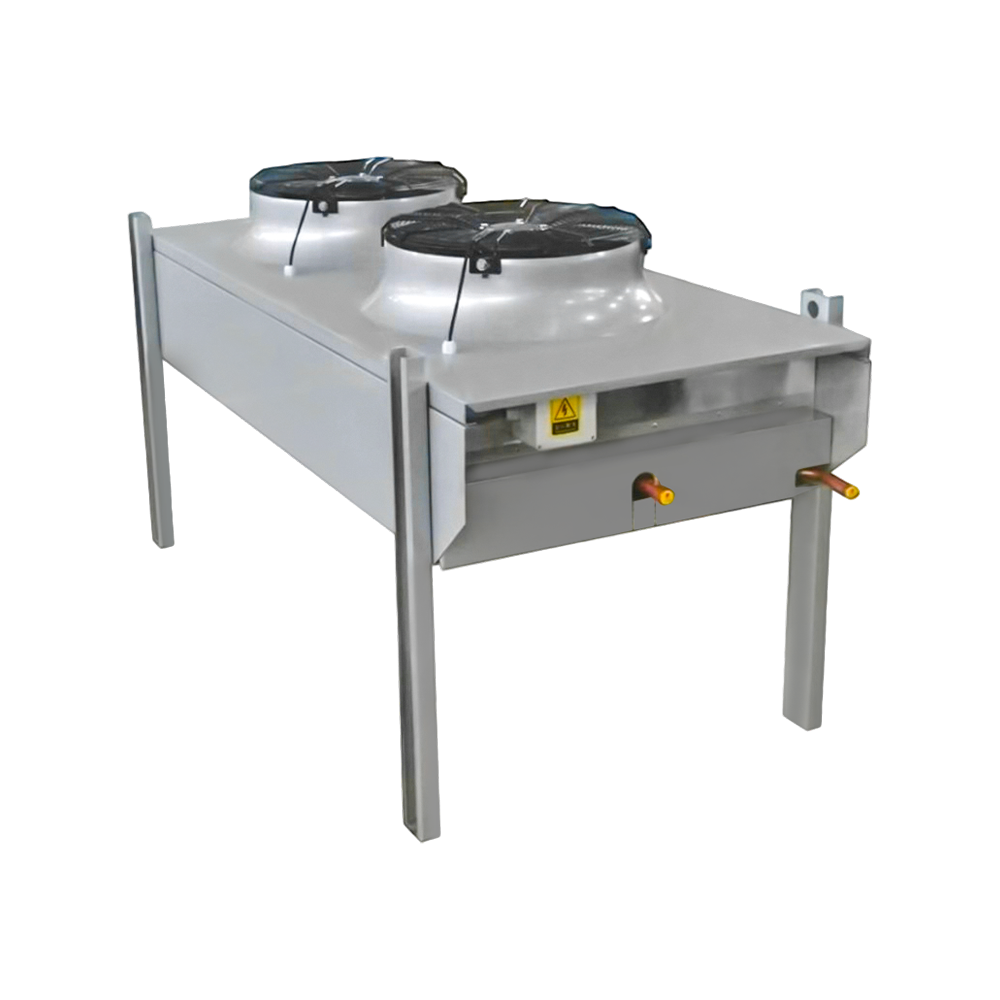
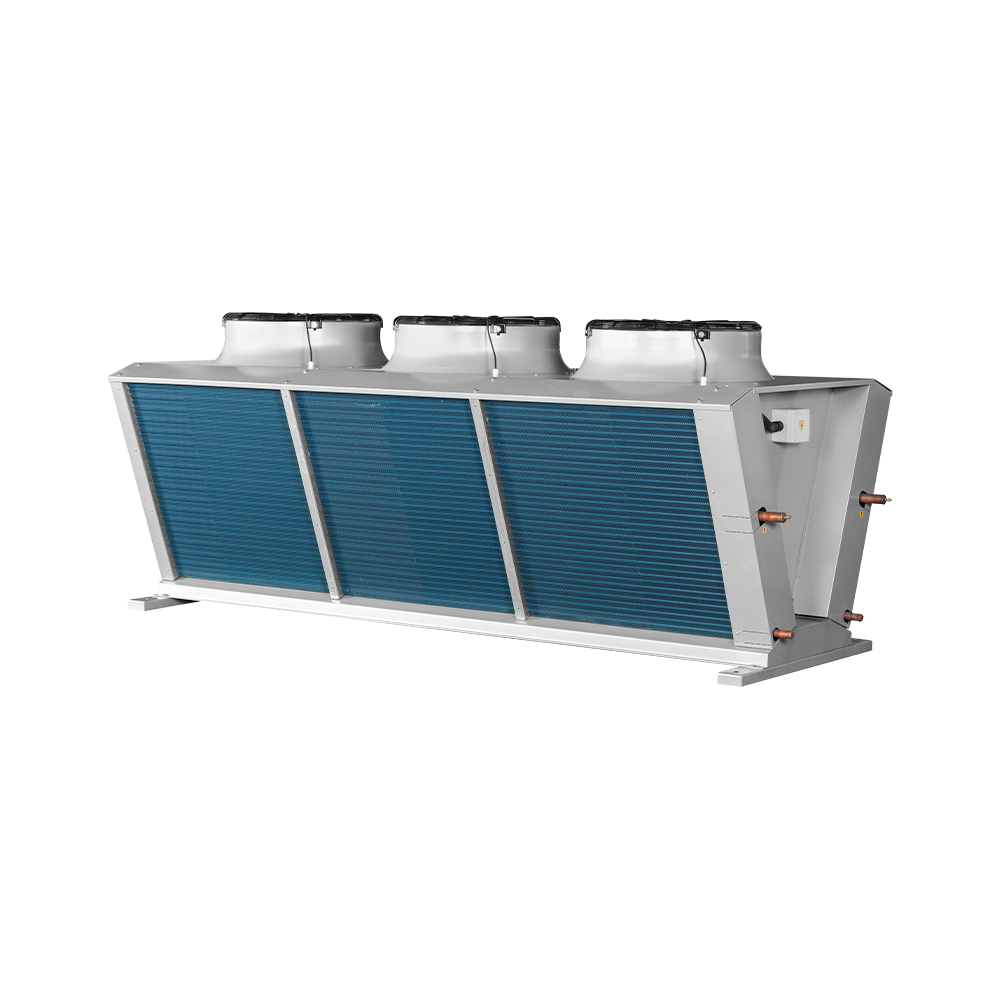
Air-cooled condensers blow ambient air across finned coils. They are self-contained, need only an electrical supply, and reject the compressor discharge heat into the laboratory room. A 5 kW air-cooled chiller typically releases 6.5 to 7 kW of heat into the space, so the room air conditioning must compensate. Capacity decreases as the ambient temperature climbs above 35°C, and the condenser fan adds audible noise.
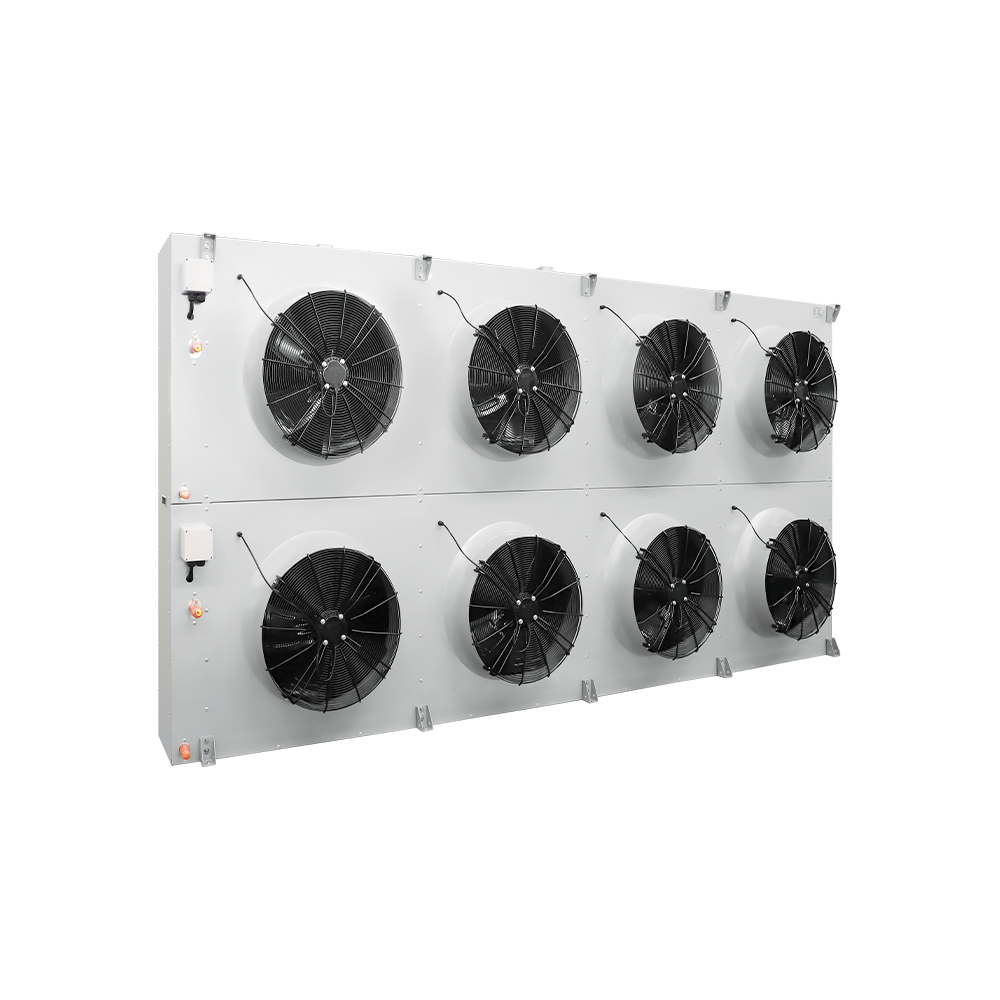
 Air Cooled Chiller Supplier with Nearly 30 Years of ExperienceIf your lab needs a self-contained chiller that only requires an electrical supply, this air-cooled option from a seasoned manufacturer is worth reviewing for its reliable design and support.View Product →
Water-cooled condensers use facility water or a closed-loop chilled-water supply to absorb heat. They are quieter, more energy-efficient, and they do not heat the laboratory. The trade-off is the need for a continuous water supply, a drain connection, and water treatment to prevent scale formation in the condenser. In laboratories with an existing central process-cooling loop, water-cooled units are often the lower total-cost option.
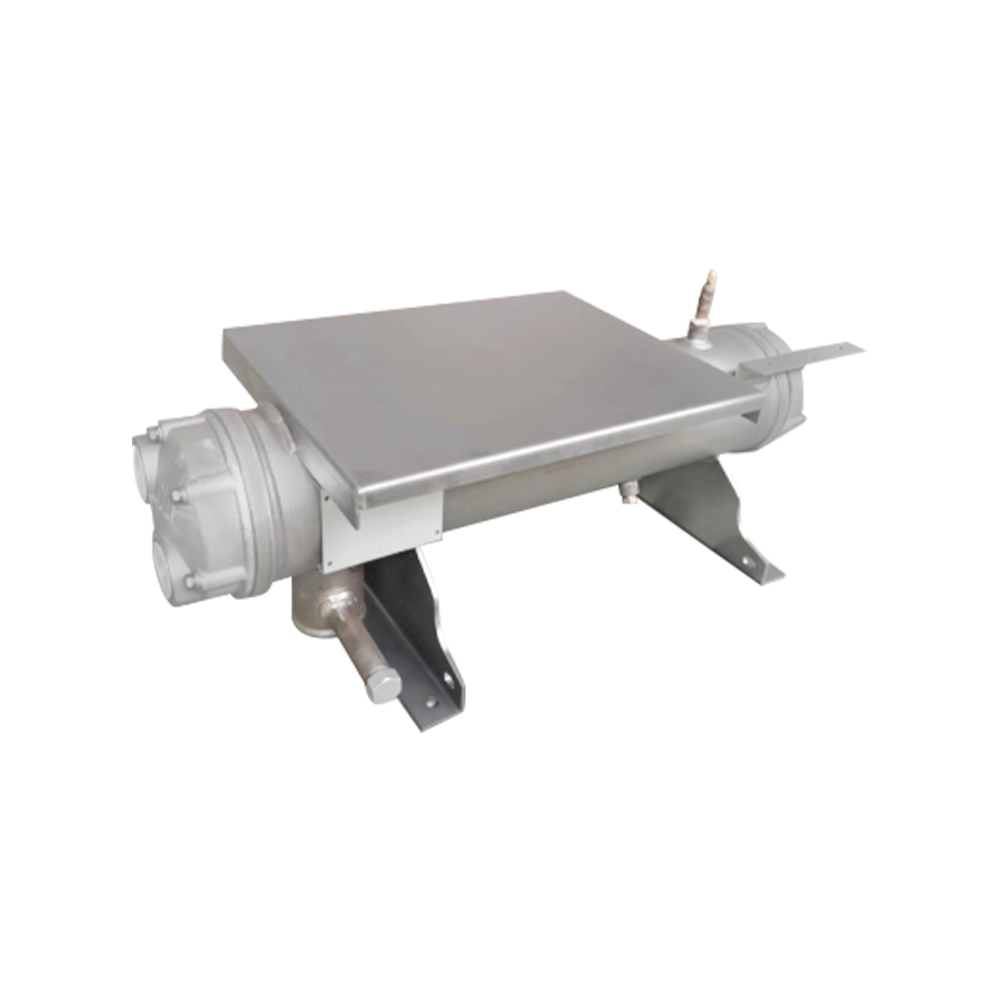
Water Cooled Chiller Supplier for Efficient Lab CoolingFor labs with an existing cooling-water loop, a water-cooled chiller can lower total cost. This supplier offers decades of experience and integrated support for quiet, energy-efficient operation.View Product →
| Parameter | Air-Cooled | Water-Cooled |
|---|---|---|
| Cooling medium | Ambient air | Facility cooling water |
| Installation | Self-contained, needs ventilation clearance | Needs supply and drain connections |
| Heat rejection | Into the laboratory room | Into the central cooling loop or tower |
| Efficiency | Falls as ambient rises | Stable across ambient conditions |
| Noise | Fan noise present | Quieter operation |
| Water consumption | None | Continuous flow required |
| Maintenance | Clean condenser coil regularly | Control water quality and descale |
| Typical capacity | 0.5 kW to 15 kW | 3 kW to 30 kW |
How to Calculate Required Cooling Capacity
Sizing begins with the heat that the instrument puts into the circulating fluid. A reliable method is the flow-rate calculation, expressed as:
Q = (V × ρ × c × ΔT) ÷ 60
where Q is the cooling capacity in kilowatts, V is the flow rate in litres per minute, ρ is the fluid density in kilograms per litre (1.0 for water), c is the specific heat in kilojoules per kilogram-kelvin (4.18 for water), and ΔT is the temperature rise of the fluid in degrees Celsius.
Worked example: an instrument requires 8 L/min of water with a supply temperature of 20°C, and the return water leaves the instrument at 30°C.
Q = (8 × 1.0 × 4.18 × 10) ÷ 60 = 5.57 kW
Add a 20% safety factor for pump heat, ambient variation, and future load increases: 5.57 × 1.2 = 6.7 kW. The correct choice is therefore a chiller rated at least 7 kW at 20°C, not a unit whose maximum rating is reached at a different setpoint.
Typical Instrument Heat Loads
| Instrument | Typical Heat Load | Typical Flow Requirement |
|---|---|---|
| Rotary evaporator | 0.3 to 1.0 kW | 2 to 8 L/min |
| NMR magnet | 0.5 to 1.5 kW | 5 to 15 L/min |
| Electron microscope | 0.5 to 2.0 kW | 4 to 10 L/min |
| Reaction calorimeter | 1.0 to 3.0 kW | 5 to 20 L/min |
| Laser cutting or ablation system | 2.0 to 10.0 kW | 10 to 30 L/min |
When multiple instruments share one chiller, sum their heat loads and account for the pressure loss of the full piping network. A larger pump is not always the answer if the temperature stability requirements of the most sensitive instrument cannot be met under variable flow.
Laboratory Applications and Their Chiller Requirements
Different instruments place different demands on temperature, stability, and pumping pressure. The table below summarises representative values for equipment commonly found in research and quality-control laboratories.
| Application | Typical Setpoint | Stability Needed | Flow Range |
|---|---|---|---|
| Rotary evaporation | 10°C to 30°C | ±1.0°C | 2 to 8 L/min |
| NMR spectroscopy | 20°C to 25°C | ±0.1°C | 5 to 15 L/min |
| SEM and TEM imaging | 15°C to 25°C | ±0.5°C | 4 to 10 L/min |
| Reaction calorimetry | −20°C to +80°C | ±0.1°C | 5 to 20 L/min |
| Laser cutting and ablation | 20°C to 25°C | ±0.5°C | 10 to 30 L/min |
| Jacketed reactor system | −10°C to +60°C | ±0.5°C | 8 to 25 L/min |
Instrument manuals remain the most reliable source for these values. If a manual lists a maximum inlet temperature rather than a setpoint, the chiller must deliver coolant at or below that limit under the full heat load of the instrument.
Installation and Environmental Considerations
A correctly sized chiller will still underperform if it is installed in a location that does not match its heat-rejection method. For air-cooled units, maintain at least 30 cm of clearance on the condenser intake side and 50 cm above the discharge. Recirculated exhaust air causes condensing temperatures to climb, which reduces capacity and shortens compressor life.
For water-cooled models, the supply temperature must remain stable within ±2°C to avoid capacity swings. A 40-micron strainer installed in the water supply line prevents particles from blocking the condenser. In facilities where water quality varies, a closed-loop buffer tank with a plate heat exchanger isolates sensitive chiller internals from the building water system.
Laboratory buildings that are short on cooling water or that face water-use restrictions often choose evaporative-condenser chillers instead. These units reject heat through the evaporation of a water spray, so they consume only a small volume of make-up water compared with a once-through water-cooled connection. They are typically mounted on rooftops or plant decks, away from the laboratory environment, and they deliver stable performance in hot climates.
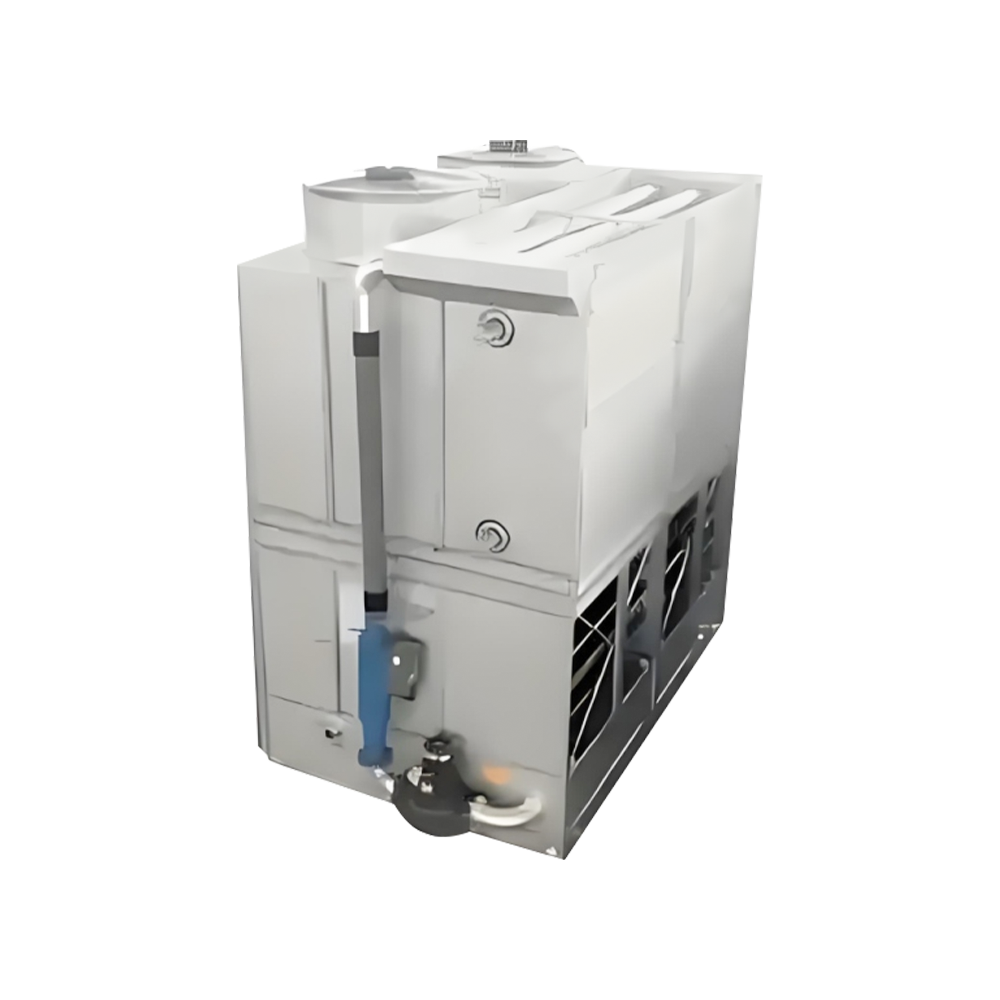
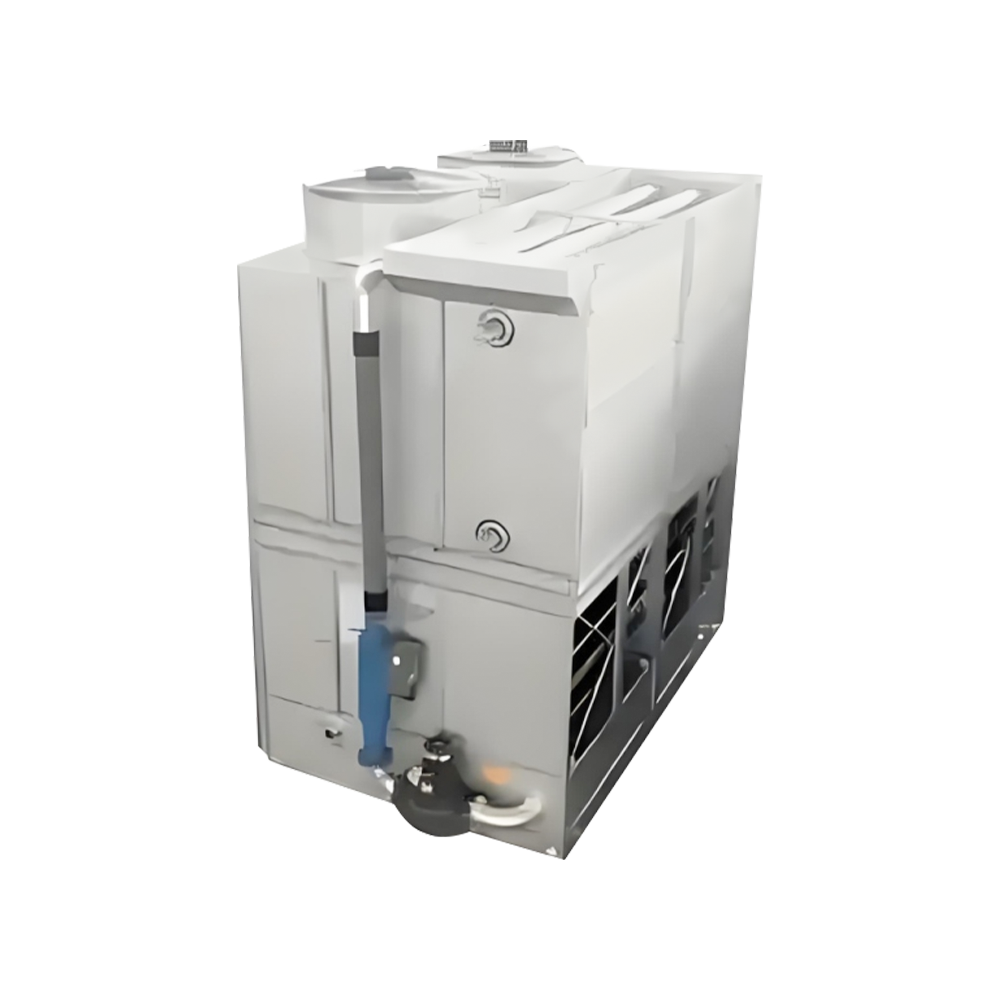
Evaporating Condenser Chiller Supplier for Water-Limited LabsWhen water restrictions or hot climates demand a low-makeup-water solution, this evaporative-condenser chiller from an established manufacturer provides stable performance with minimal water use.View Product →
Finally, place the chiller on a level, vibration-free surface close enough to the instrument that the pipe run is short. Long lines increase pressure drop, which lowers effective flow and can force the pump to work outside its best efficiency range.
Operation and Maintenance Best Practices
Field failures on laboratory chillers are more often traced to blocked condenser airflow or contaminated circulating fluid than to the compressor itself. A disciplined maintenance routine prevents most of these failures.
- Clean condenser coils every 90 days using low-pressure compressed air or a soft brush, especially in dusty laboratories.
- Replace the circulating fluid on the manufacturer's schedule, normally every 3 to 6 months, using deionised water or the specified water-glycol mixture with corrosion inhibitor.
- Maintain the recommended glycol concentration whenever setpoints are below 4°C to prevent freeze damage in the evaporator.
- Inspect the pump impeller and the inlet strainer once a month; blocked strainers are the leading cause of low-flow errors.
- Have a refrigeration technician verify refrigerant charge, superheat, and subcooling annually, and replace the filter drier if the system has been opened.
- Log operating temperatures each week so that gradual performance loss becomes visible before it interrupts an experiment.
With this routine, a laboratory chiller typically operates reliably for 10 to 15 years, and the largest cost over that period is usually electricity, not spare parts.
Frequently Asked Questions
What size chiller do I need for a small laboratory?
For a laboratory running one rotary evaporator, an ultrasound bath, and a condenser, a 1 to 2 kW chiller is normally sufficient. Add an NMR or a calorimeter and the requirement rises to 5 to 10 kW. The flow-rate calculation gives a defensible number in under five minutes using the instrument's own flow and temperature-rise figures.
Can one chiller supply several instruments at the same time?
Yes, provided the total heat load stays below the chiller capacity at the working temperature and the pump can overcome the pressure drop of the combined piping network. Instruments should each have a flow-control valve and a shut-off valve so that one unit can be isolated without disturbing the others. The most sensitive instrument should be located closest to the chiller.
What temperature stability does an HPLC system require?
Standard HPLC instruments operate reliably with ±0.5°C stability. High-resolution and preparative systems with sensitive refractive-index detectors benefit from ±0.1°C control to avoid baseline drift. Checking the detector manual before buying the chiller will indicate which grade of control is actually needed.
Is an air-cooled or a water-cooled chiller better for a small laboratory?
Air-cooled is usually the simpler choice for capacities below 5 kW, because it eliminates the need for a water supply and drain. Choose a water-cooled model when the laboratory has a stable process-cooling loop, when room heat gain must be minimised, or when the installed equipment generates more than 5 kW of heat that would otherwise raise the room temperature.
How often should I change the circulating water?
Every 3 to 6 months, depending on water quality and how often the chiller runs. Change immediately if the fluid looks cloudy or if the electrical conductivity has risen noticeably. Use deionised water with the recommended inhibitor so that bacteria and corrosion do not develop inside the loop.
How long does a laboratory chiller normally last?
Well-maintained units routinely last 10 to 15 years in normal service. The compressor is usually the most reliable component. The pump seals, condenser fan, and fluid quality are the areas that require attention first, which is why the maintenance routine described above has such a strong effect on total life.
Selecting the Right Laboratory Chiller for Your Facility
Start from the instrument manual and find the required flow, pressure drop, and maximum inlet temperature. Then calculate the cooling capacity with the flow-rate method, add a safety margin of at least 20%, choose the condenser type that matches your building utilities, and confirm the stability grade that your most sensitive experiment demands. A performance curve from the manufacturer will show whether the unit delivers the capacity at the temperature you actually use.
If the selection process feels ambiguous, the most efficient step is to contact our engineering team with your instrument list and process temperatures. Their response will include a capacity calculation and a recommendation that matches the refrigeration unit to the laboratory's real load profile, so the equipment you install is neither oversized nor at risk of tripping under peak heat loads.