

 English
 中文简体
中文简体Content
- 1 What Really Matters When Choosing an Industrial Chiller Manufacturer
- 2 Cooling Capacity Verification: What to Demand From a Manufacturer
- 3 Piston vs. Scroll vs. Screw: Choosing the Right Compressor
- 4 In-House Manufacturing: Lead Time, Quality, and Traceability
- 5 Application-Driven Engineering: Matching the Chiller to the Process
- 6 The Service Layer: What Happens After Installation
- 7 Seven Criteria to Evaluate Any Industrial Chiller Manufacturer
- 8 Frequently Asked Questions About Industrial Chillers
- 8.1 How do I determine the cooling capacity for my process?
- 8.2 Which is better for my plant: air-cooled or water-cooled chiller?
- 8.3 What is the typical lifespan of an industrial chiller?
- 8.4 Can the manufacturer customize a chiller for my application?
- 8.5 What is the typical lead time for a custom industrial chiller?
- 8.6 What is part-load efficiency and why should I care?
- 8.7 What maintenance schedule should I follow?
- 9 The Bottom Line
What Really Matters When Choosing an Industrial Chiller Manufacturer
A 3°C drift in your process cooling water does not just trigger a quality alert—it can stop an entire production line. In the moments when your industrial chiller fails to hold setpoint, the manufacturer’s engineering credibility and service response time become the difference between a 20-minute correction and a 24-hour bottleneck. The right supplier is not the one that quotes the highest capacity at the lowest price; it is the one that proves performance at your actual working conditions.
This article provides an evidence-based framework for evaluating an industrial chiller manufacturer. You will learn how to verify cooling capacity, compare compressor technology, assess in-house manufacturing depth, understand application-specific engineering, and build a service strategy. The goal is to help you make a purchase decision that minimizes total cost of ownership across a 15-year operating life. At the end, you will have seven concrete criteria to apply to any supplier.
Cooling Capacity Verification: What to Demand From a Manufacturer
Capacity verification is the first checkpoint. Every industrial chiller publishes a technical data sheet, but that data sheet is valid only at a specific design point. In reality, your chiller runs at a different ambient temperature, a different water flow rate, and a different antifreeze concentration. A manufacturer that quotes capacity only at standard conditions is not lying—but it is not telling you what will happen in your plant.
Before you compare prices, ask for the following information in writing:
- Evaporator water outlet temperature and allowable deviation
- Condenser water inlet temperature or ambient dry-bulb/wet-bulb condition
- Fouling factor and fluid type (water, glycol, or brine)
- Altitude and ventilation conditions at the installation site
- Part-load performance curve or IPLV (Integrated Part Load Value) data
Industrial chillers should be sized with a 10% to 20% margin above the calculated peak process heat load. Critical processes such as laser cutting and food freezing justify a margin close to 20%. Oversizing beyond 30% is counterproductive, because it leads to short-cycling and increased part-load energy consumption.
| Heat Rejection Method | Heat Release Medium | Typical COP Range | Water Consumption | Best Fit Scenario |
|---|---|---|---|---|
| Air-Cooled | Ambient air | 2.8–3.4 | None | Small to medium loads, water-scarce sites |
| Water-Cooled | Cooling tower water | 4.2–6.0 | High | Large industrial loads with existing cooling tower |
| Evaporative Condenser | Air plus water evaporation | 4.5–6.5 | Moderate | Industrial loads where water conservation matters |
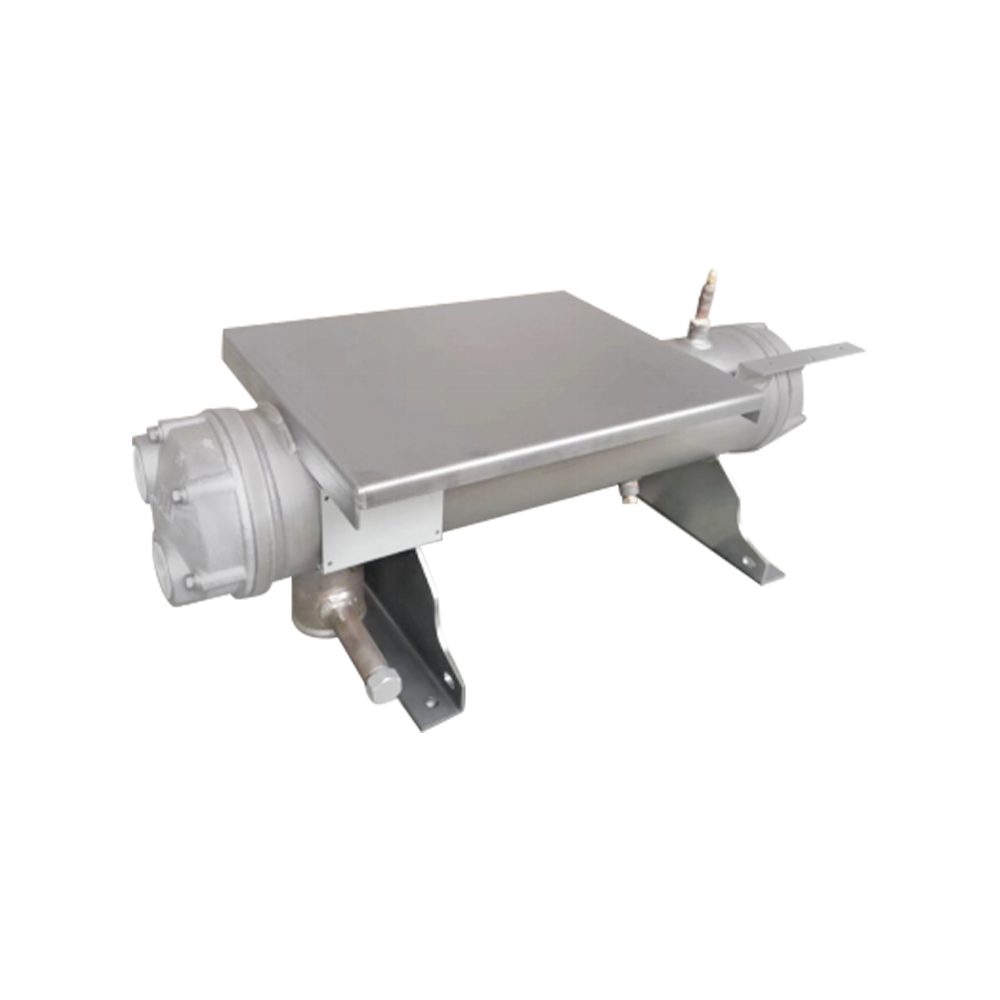
For large industrial loads with an existing cooling tower, a water-cooled chiller configuration is a strong candidate. The plant engineering team can discuss the full water-cooled chiller series available from Kaidi.
 Water-Cooled Chiller for Industrial LoadsThis water-cooled chiller suits large industrial loads where a cooling tower is available. It offers efficient heat rejection and is backed by nearly three decades of manufacturing experience, making it a dependable choice for plant-wide cooling needs.View Product →
Piston vs. Scroll vs. Screw: Choosing the Right Compressor
The compressor is the heart of an industrial chiller. It determines efficiency, reliability, maintenance cost, and service life. Three compressor types dominate the industrial chiller market. Understanding the performance envelope of each is essential before you commit to a large purchase.
Piston Compressors
Piston (reciprocating) compressors are the oldest technology in this group. They are robust, can deliver high pressure ratios, and are well understood by service technicians. However, they have more moving parts than scroll or screw units, which increases maintenance frequency. They are a reasonable choice for small industrial applications below 50 kW, but efficiency at part load is generally lower than scroll or screw systems.
Scroll Compressors
Scroll compressors use two interlocking spiral elements to compress refrigerant. They have very few moving parts, which means excellent reliability and smooth operation. They are typically used in chillers from 5 kW to 50 kW per compressor. Scroll units offer good part-load efficiency and low noise. For smaller process cooling loads of 10–30 kW, they are often the preferred choice because of simplicity and low maintenance.
Screw Compressors
Screw compressors are the industry standard in the 80 kW to 500 kW range. They use two rotors to compress the refrigerant and are designed for continuous duty. Service intervals typically reach 50,000 to 100,000 hours between overhauls. Through slide-valve or digital capacity control, they provide excellent part-load efficiency—the most important factor in a real production environment.
Consider a practical cost comparison. A 200 kW screw chiller running at 70% load with a COP of 3.6 and 6,000 operating hours per year consumes approximately 233,000 kWh of electricity. At $0.10 per kWh, the energy cost is roughly $23,300 per year. A piston-based machine at 70% load with a COP of 2.8 would consume about 300,000 kWh, costing $30,000 per year. The $6,700 annual difference, compounded over 15 years, easily exceeds $100,000. Compressor selection deserves far more attention than the initial purchase price.
In-House Manufacturing: Lead Time, Quality, and Traceability
The difference between a manufacturer that assembles components and one that actually produces them shows up in three measurable outcomes: lead time, traceability, and customization flexibility. A true manufacturer with its own factory and test facilities can promise shorter delivery times because it does not depend on third-party workshops. It can also offer custom designs because its engineers work directly with the production floor.
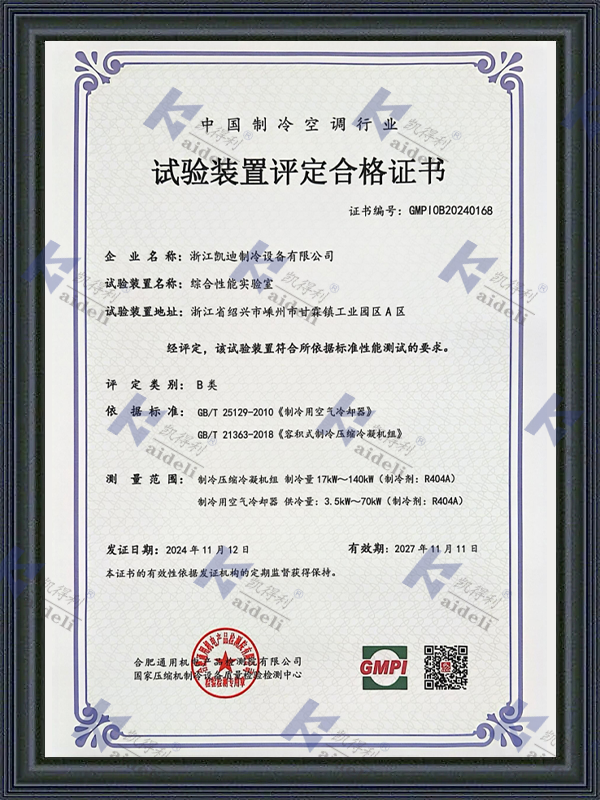
Zhejiang Kaidi Refrigeration Equipment Co., Ltd. produces refrigeration systems in a 100,000 m² factory in Shengzhou, Zhejiang province. Its workshop area exceeds 60,000 m², with more than 8,000 m² of office and engineering space. The company employs more than 300 people and operates CNC machining centers and high-standard testing laboratories. This production infrastructure supports both component-level products (condensers, evaporators) and system-level solutions (condensing units, chillers).
In-house manufacturing also matters for quality control. A manufacturer that operates its own test laboratory can verify heat exchange performance before each unit leaves the factory. It can simulate the design condition, check refrigerant charge, and validate the electrical control system. These tests are not academic—they are the practical difference between a smooth commissioning and a failed start-up.
Key capabilities to look for:
- CNC machining equipment for precision components
- High-standard test laboratory for performance validation
- Large workshop space that supports both parts manufacturing and final assembly
- Integrated production line covering components and complete systems
Application-Driven Engineering: Matching the Chiller to the Process
An industrial chiller is never just a machine—it is a solution to a process problem. The manufacturer’s understanding of your specific application has a direct impact on performance, reliability, and total cost. Here are three common industrial applications and the factors that matter.
Laser Cutting Cooling Systems
Laser cutting machines generate concentrated heat during operation. The chiller must maintain the laser source at a stable temperature, typically 20–25°C with a tolerance of ±0.5°C. Any fluctuation beyond that range degrades beam quality, increases mirror misalignment, and reduces cutting accuracy. A dedicated laser cutting chiller includes a precision temperature controller, a high-flow pump, and a compact evaporator design that responds quickly to load changes. Some manufacturers offer separate optical and laser loops in one machine, which simplifies installation and improves control.
Laser Cutting Chiller with Precision Temperature ControlDesigned for laser cutting machines, this chiller maintains a stable temperature within 0.5°C to protect beam quality. It features a precision controller and high-flow pump, making it a reliable option for high-precision cutting operations.View Product →
Food Processing and Quick Freezing
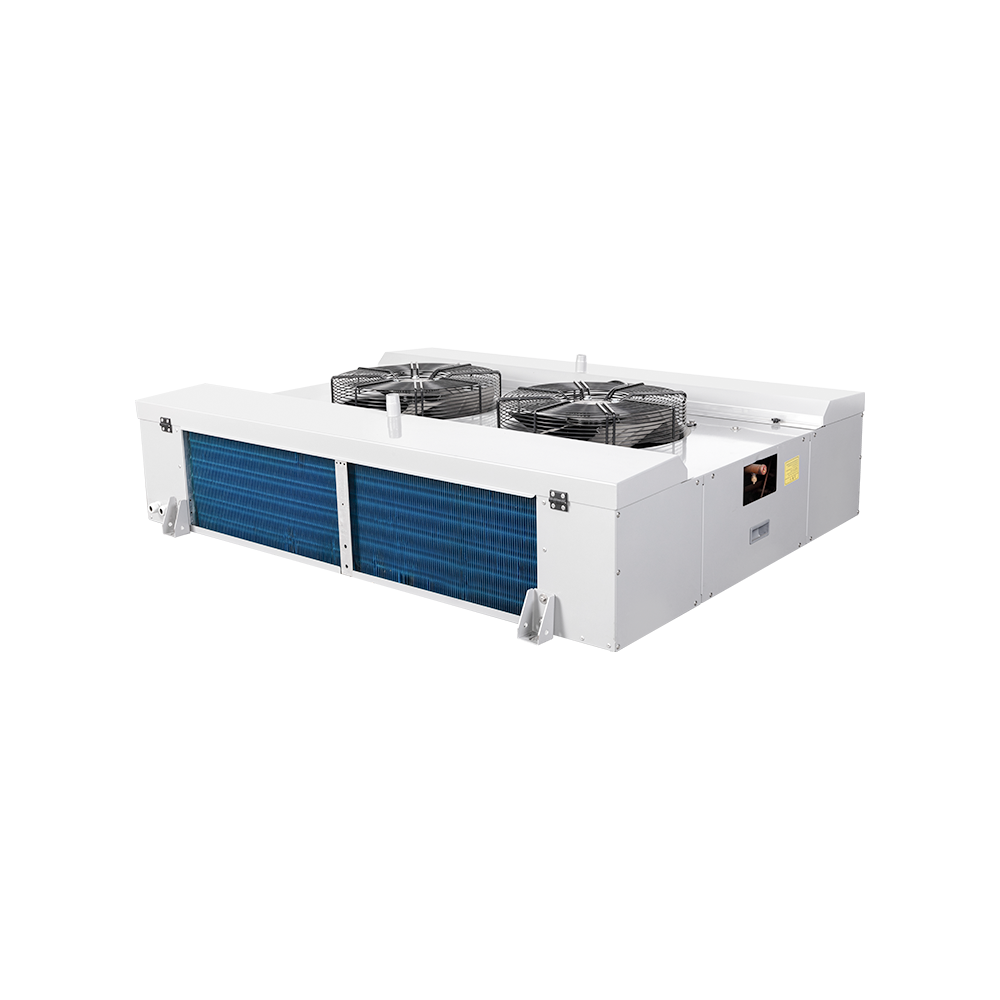
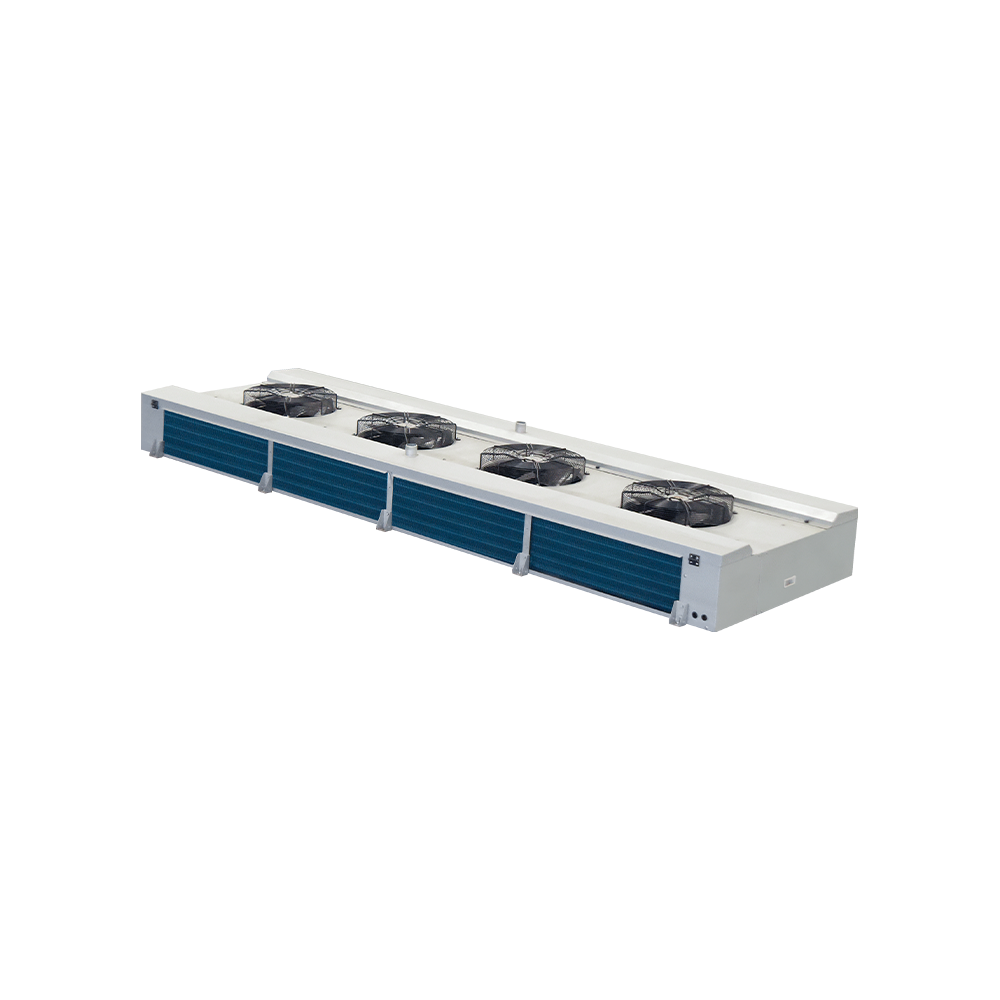
Food processing environments combine high humidity, frequent cleaning cycles, and continuous operation. A chiller for this duty needs a robust design with corrosion-resistant materials and a defrost strategy that fits the production schedule. Quick-freezing evaporators, for instance, face intense frosting rates and require a hot-gas defrost cycle that does not interrupt product flow. Selecting a manufacturer with experience in food-grade refrigeration minimizes commissioning risk and reduces unexpected downtime.
Cold Storage and Cold Chain Logistics
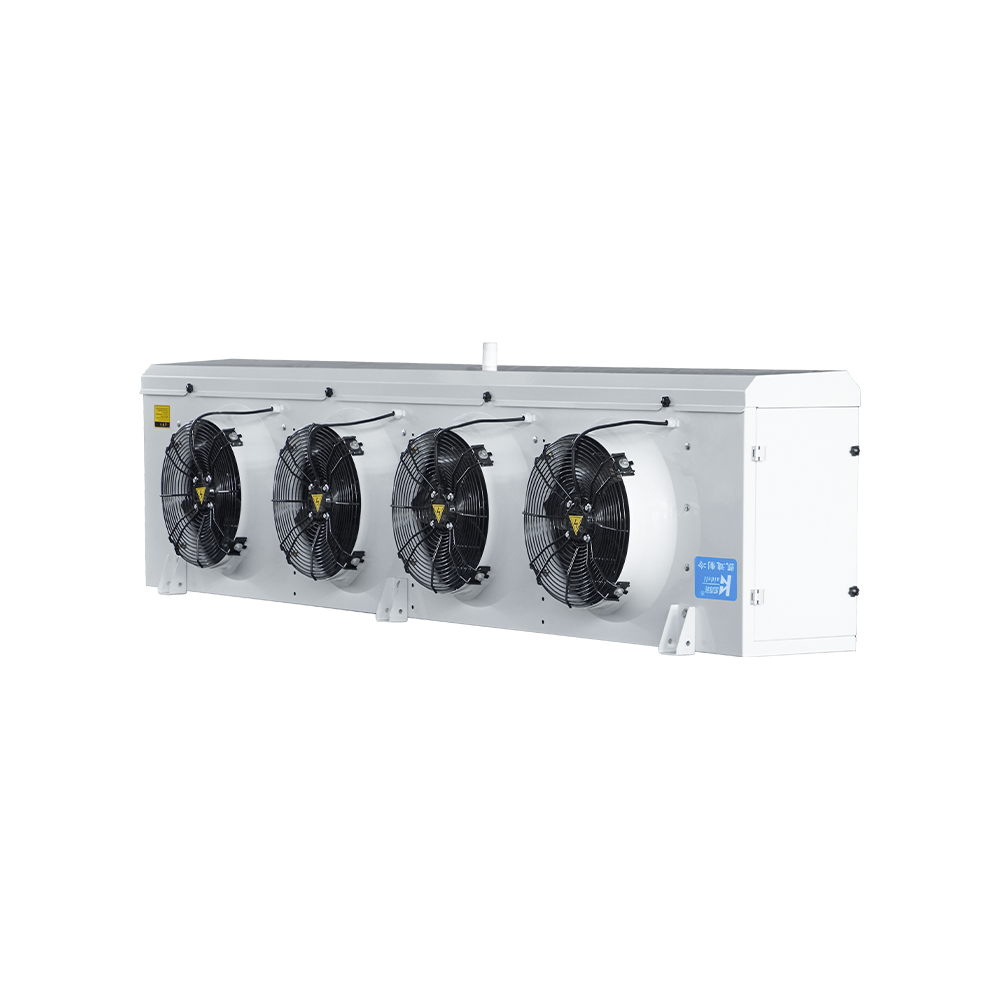
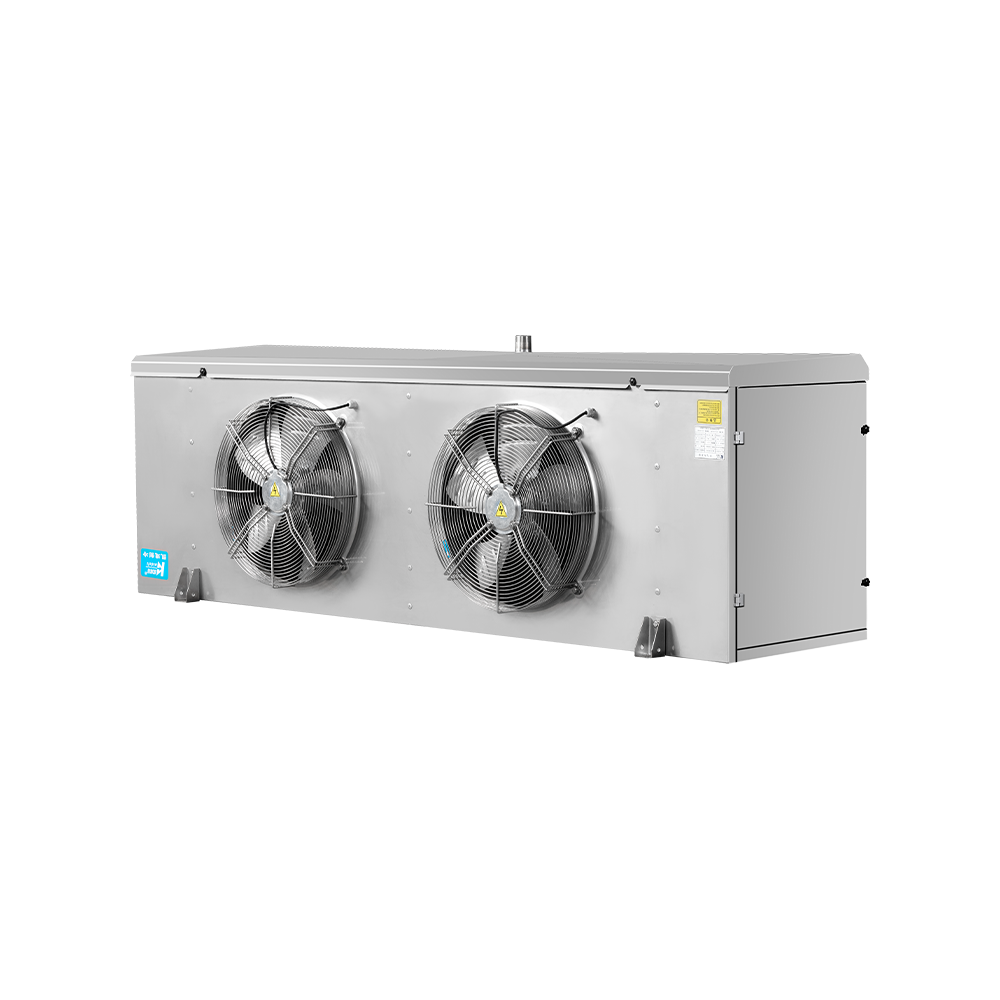
Cold storage facilities operate around the clock, often below -18°C, and need to handle wide load swings without short-cycling. A cold storage chiller with part-load control, hot-gas defrost, and remote monitoring features is a better lifecycle investment than a basic unit. The condensing unit design should also prioritize service access, because refrigerant leaks and motor failures need to be fixed quickly. For deeper technical detail, read the manufacturer’s industry notes on compression condensing units.
Sites with Limited Water Availability
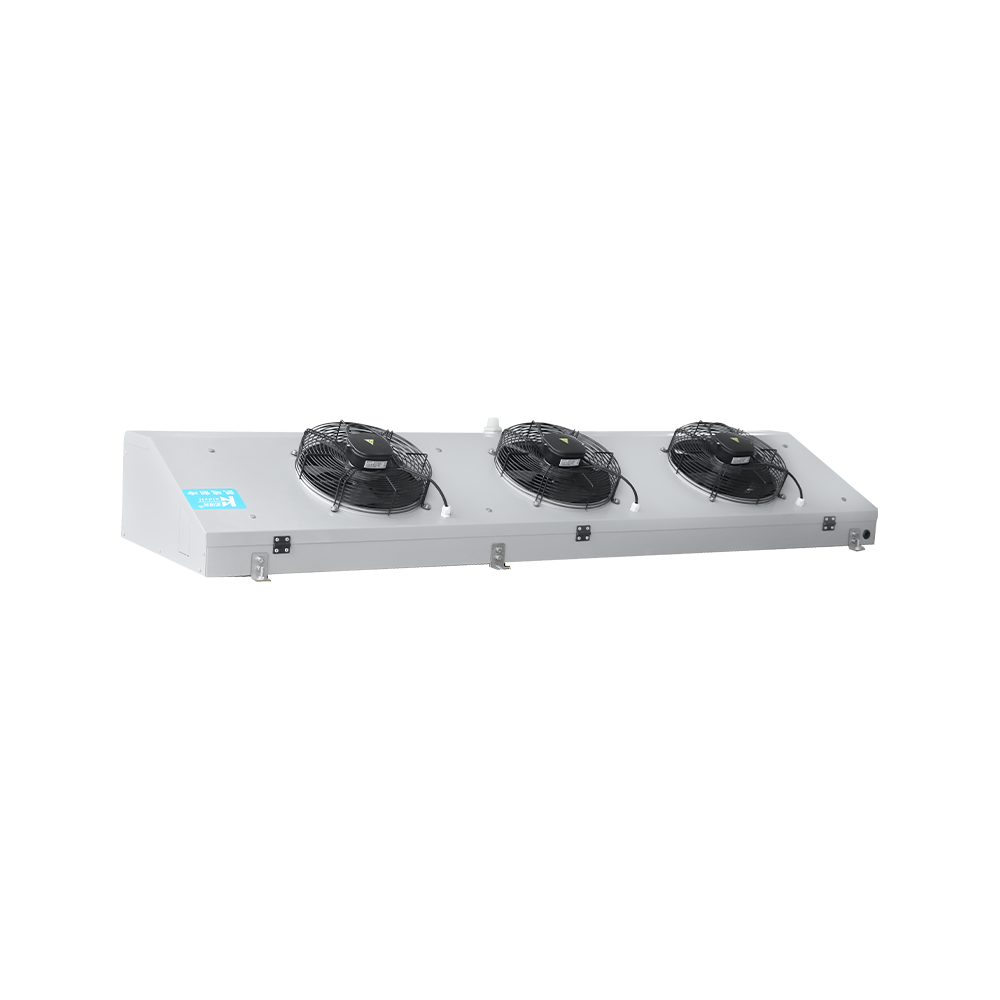
On many industrial sites, make-up water for cooling towers is expensive or restricted. In this situation, an air-cooled chiller is a practical choice because it rejects heat directly to ambient air. It requires no cooling water and only needs electrical power and ventilation. The trade-off is a slightly lower COP than water-cooled systems, but in water-scarce regions the lifecycle cost advantage can be reversed. Kaidi provides air-cooled chiller solutions designed for this scenario.
Air-Cooled Chiller for Water-Scarce SitesThis air-cooled chiller rejects heat directly to ambient air, eliminating the need for cooling water. It is ideal for sites with expensive or restricted make-up water, offering a practical solution with manageable lifecycle costs.View Product →The Service Layer: What Happens After Installation
A chiller failure on a Saturday night is not a hypothetical scenario; it is a procurement reality. When the compressor trips on high head pressure at 2 a.m., the only things that matter are how fast an engineer can answer the phone, how soon a technician can reach your site, and whether the required spare part is in stock. Every industrial chiller manufacturer should be evaluated on the same service questions before an order is placed.
- What is your guaranteed response time for a service call?
- Which critical spare parts—compressor, expansion valve, controller, pump—are stocked in your warehouse?
- Do you offer remote diagnostics and monitoring?
- Can you provide a commissioning engineer for the first start-up?
- What documentation do you provide for maintenance and troubleshooting?
A manufacturer that supports the full lifecycle—design, installation, commissioning, and service—reduces operational risk. A manufacturer that disappears after the warranty period is the biggest hidden cost in your procurement. Strong after-sales support should be treated as a non-negotiable part of the supplier evaluation, not as a value-added extra.
Seven Criteria to Evaluate Any Industrial Chiller Manufacturer
Use the following framework to shortlist suppliers. It is designed to help you compare technical credibility, production capability, and service reliability in a transparent way. Score each criterion from 1 to 5 and apply a weight based on your project priorities.
| Criterion | What to Look For | Red Flag |
|---|---|---|
| Capacity verification | Test data at the actual design point | Catalog-only ratings |
| Compressor technology | Screw for 80 kW+, scroll for 20–50 kW | Piston forced into large loads |
| In-house production | Own factory and test laboratory | Outsourced assembly |
| Application experience | Reference plants in your industry | Vague case descriptions |
| Part-load efficiency | IPLV or ESEER values published | Full-load COP only |
| Spare parts inventory | Domestic warehouse with critical parts | Parts from abroad, 4–6 weeks lead time |
| Service response | Defined response time and escalation process | Vague support procedures |
Use this sheet as the foundation for a defensible procurement decision. Weight each criterion according to your project priorities, and total the scores. This turns an emotional choice into a structured comparison that you can present to your own management with confidence.
Frequently Asked Questions About Industrial Chillers
How do I determine the cooling capacity for my process?
The required cooling capacity in kW equals the process heat load plus a safety margin. A simplified calculation is Q = m × c × ΔT / 3600, where m is the mass flow rate in kg/h, c is the specific heat capacity in kJ/(kg·K), and ΔT is the required temperature difference in K. Add a 10% to 20% margin for thermal losses, fouling, and future process expansion. For critical applications, use the higher end of the margin.
Which is better for my plant: air-cooled or water-cooled chiller?
Start with your heat rejection constraint. Air-cooled chillers are simpler to install, have no water consumption, and suit small to medium loads or water-scarce sites. Water-cooled chillers are more efficient with a higher COP but require a cooling tower and water treatment system. If your site already has a cooling tower, a water-cooled chiller is often the more cost-effective option. If water is scarce, an evaporative condenser can deliver part of the efficiency gain with much lower water consumption.
What is the typical lifespan of an industrial chiller?
With proper maintenance, an industrial chiller can operate for 15 to 20 years. The compressor is the primary wear component. Screw compressors typically achieve 50,000 to 100,000 hours between overhauls. Regular maintenance—lubricant analysis, condenser cleaning, and refrigerant leak checks—is essential to reach the manufacturer’s design life.
Can the manufacturer customize a chiller for my application?
Yes, provided the manufacturer has engineering depth. Customization can include evaporator and condenser size, refrigerant type, pump flow rate, voltage, control logic, and remote monitoring. A manufacturer with in-house production is generally more flexible because the design team works directly with the workshop. Ask for a custom design proposal with a performance guarantee.
What is the typical lead time for a custom industrial chiller?
Standard units usually ship in 4 to 6 weeks. Custom systems with special heat exchangers, non-standard voltage, or advanced controls typically require 8 to 12 weeks. Confirm the lead time in writing and build a buffer into your project plan. Early engagement with the manufacturer’s engineering team helps avoid costly schedule delays.
What is part-load efficiency and why should I care?
Part-load efficiency describes how well the chiller performs when it is not at full capacity. Most industrial chillers operate at part load for the majority of the year. IPLV (Integrated Part Load Value) is the best single indicator of real-world performance. Compare IPLV rather than full-load COP, because a high COP at full load does not automatically mean lower energy costs in daily operation.
What maintenance schedule should I follow?
A typical schedule includes quarterly checks for lubricant level, refrigerant charge, and electrical connections; an annual deep service covering condenser cleaning, pressure tests, and control calibration; and a major compressor service every 50,000 hours or according to the manufacturer’s recommendation. Keep a maintenance log to track annual cost and spot early signs of component wear.
The Bottom Line
Selecting an industrial chiller manufacturer is a long-term business decision. The manufacturer that verifies performance at your real operating conditions, owns its production facility, and structures a responsive after-sales support system is the safest partner for your operation. Start with the seven-criteria framework, compare part-load efficiency, and talk to the engineering team before you compare prices.
If you are preparing a project specification, reach out to an engineering team that can show you performance data tailored to your design conditions. You can contact their engineering team directly with your process heat load and site conditions.