

 English
 中文简体
中文简体Content
- 1 What Is the KU Series Piston Condensing Unit and How Does It Work?
- 2 Compact Structure and Superior Heat Exchange Performance
- 3 Energy Efficiency and Low-Noise Operation: Why It Matters in Commercial Settings
- 4 Maintenance-Friendly Design That Reduces Downtime
- 5 Refrigerant Compatibility and Broad Application Range
- 6 Compressor Compatibility: Flexibility Across Brands and Specifications
- 7 Key Applications: Where the KU Series Delivers the Most Value
- 8 Frequently Asked Questions About the KU Series Piston Condensing Unit
- 8.1 Q: What is the difference between a piston condensing unit and a scroll condensing unit?
- 8.2 Q: Which refrigerants are compatible with the KU Series?
- 8.3 Q: Can the KU Series be used with compressors from different manufacturers?
- 8.4 Q: How difficult is routine maintenance on the KU Series?
- 8.5 Q: Is the KU Series suitable for pharmaceutical cold chain applications?
What Is the KU Series Piston Condensing Unit and How Does It Work?
The KU Series Piston Condensing Unit is a purpose-built commercial refrigeration solution designed around the time-tested principles of piston compression technology. Unlike scroll or screw compressors, a piston compressor operates through precise reciprocating motion — a piston moves back and forth inside a cylinder to compress refrigerant gas, raising its pressure and temperature before it moves through the refrigeration cycle. This mechanical approach gives the KU Series a distinct edge in applications where reliability, serviceability, and cost-efficiency are non-negotiable priorities.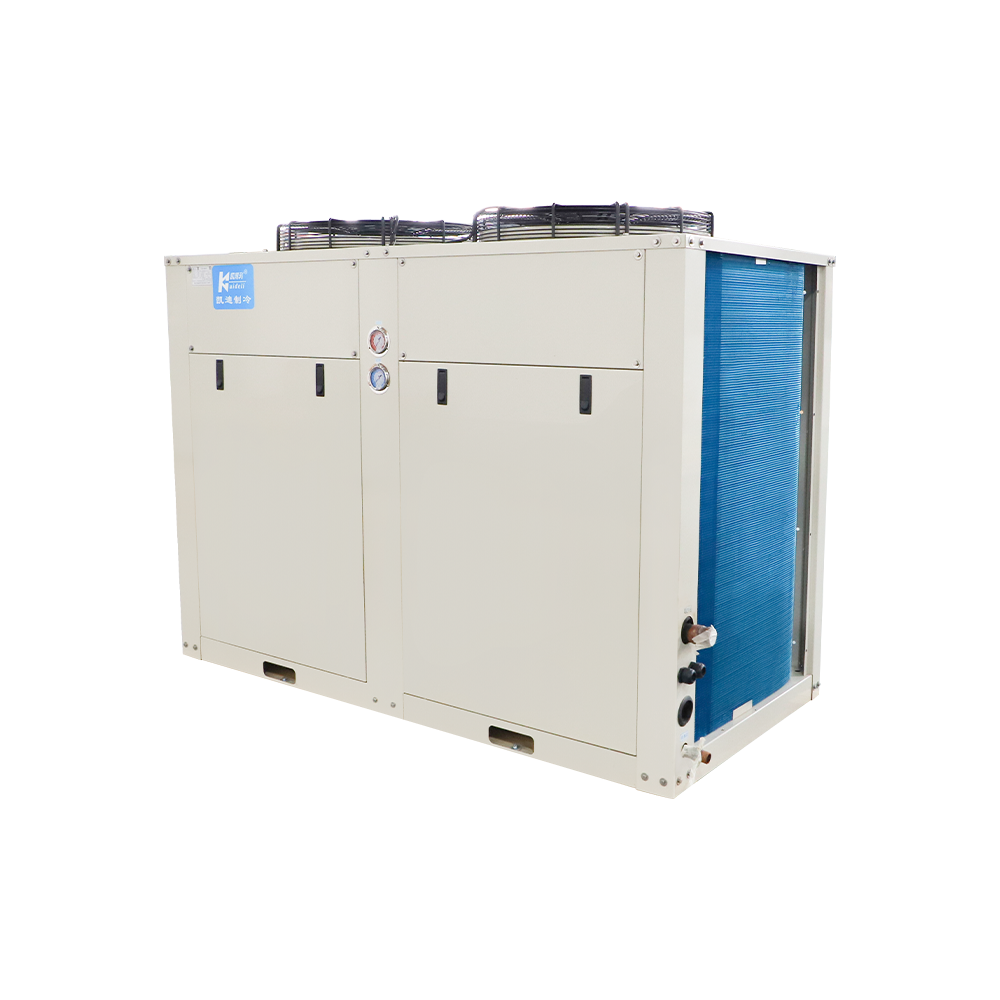
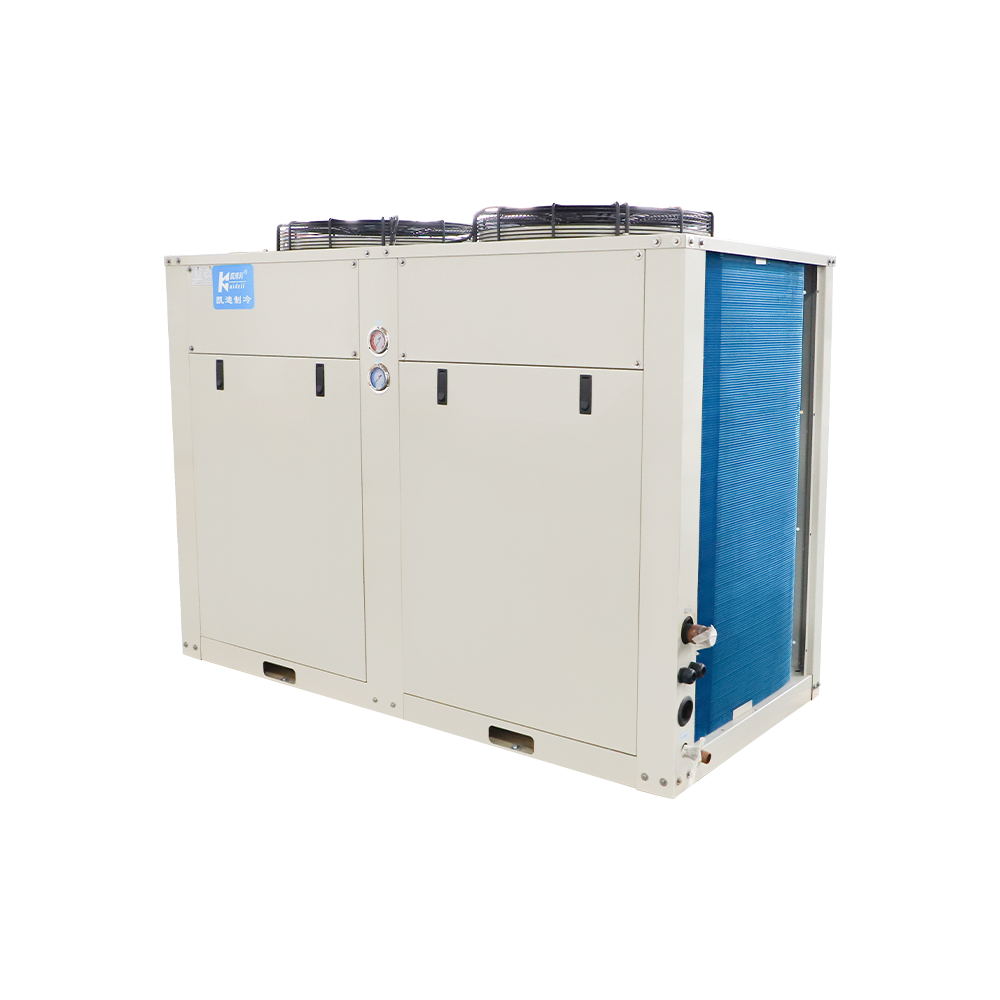
At its core, the unit integrates the piston compressor within an overall box-type structure — a unitary cabinet design that houses the compressor, condenser, fan motor, and associated components in a single compact assembly. This integrated approach simplifies installation, reduces the number of field-assembled connections, and minimizes the footprint required on-site. For facility managers, warehouse operators, and refrigeration contractors working with constrained installation environments, that space efficiency is not a minor detail — it is often the deciding factor.
The KU Series is engineered to serve a broad spectrum of commercial and industrial refrigeration needs, from small and medium-sized cold storages running continuous refrigeration cycles to commercial display refrigerators and food service cabinets operating intermittently throughout the day. Its adaptive performance characteristics mean that operators do not need to over-specify or under-specify their equipment — the unit delivers stable, reliable output across varying load conditions.
Compact Structure and Superior Heat Exchange Performance
One of the most immediately practical advantages of the KU Series is its compact box-type design. Commercial refrigeration installations frequently face real-world constraints — limited floor space in processing facilities, tight mechanical rooms, outdoor placement on rooftops or alongside buildings with restricted clearances. The KU Series addresses these constraints directly by consolidating all components into a unified, space-efficient enclosure that can be adapted to a wide range of site environments without requiring structural modifications.
Beyond physical size, the internal layout of the unit has been carefully engineered to maximize thermal performance. The condenser section features an evenly distributed wind field, meaning airflow is managed so that the entire heat exchange surface of the condenser operates at consistent efficiency rather than being starved of airflow in certain zones. In practical terms, this means the condenser is doing useful work across its full surface area, not just in patches where airflow happens to concentrate.
The result is a measurable improvement in heat exchange efficiency — the unit can reject heat from the refrigerant circuit more effectively, which in turn supports lower condensing pressures, reduced compressor work, and ultimately better energy performance across the entire refrigeration system. For operations running refrigeration equipment around the clock, even modest improvements in heat exchange efficiency translate directly into reduced electricity consumption over time.
Energy Efficiency and Low-Noise Operation: Why It Matters in Commercial Settings
Commercial refrigeration is one of the largest contributors to electricity consumption in food retail, food service, pharmaceutical storage, and logistics operations. A unit that delivers a high energy efficiency ratio (EER) is not just environmentally preferable — it represents a direct reduction in operating costs that compounds over the years-long service life typical of condensing unit installations.
The KU Series achieves its efficiency performance through a combination of factors: the inherent thermodynamic characteristics of piston compression when matched to appropriate operating conditions, the optimized heat exchange design described above, and careful system integration that avoids the parasitic losses common in less thoughtfully engineered units. The performance design ensures the refrigeration effect is maintained without unnecessary energy expenditure — operators get the temperature control they need without paying for wasted capacity.
External Rotor Motor and Fan Noise Reduction
Noise is a frequently overlooked operational concern in commercial refrigeration. Units installed near retail sales floors, in hospital or pharmaceutical environments, or in residential-adjacent logistics facilities must meet practical noise expectations. The KU Series addresses this through the use of an external rotor motor driving the condenser fan. External rotor motors position the motor windings on the rotating outer shell rather than a central fixed stator, which allows for a larger, slower-turning fan blade diameter relative to the motor's power output. The practical effect is quieter airflow generation — the fan moves the same volume of air with less turbulence and at lower rotational speeds, reducing both mechanical and aerodynamic noise.
This design creates a quiet operating atmosphere without sacrificing the heat dissipation capacity the unit requires. For businesses where customer or staff comfort is a priority, this is a meaningful operational advantage.
Maintenance-Friendly Design That Reduces Downtime
In any commercial refrigeration application, unplanned downtime is expensive. A cold storage failure can mean spoiled inventory, disrupted operations, and regulatory compliance issues. The KU Series was designed with this reality in mind, incorporating features that make routine maintenance and emergency repairs faster and less technically demanding.
Easy-Disassembly Panel Design
The unit's panels are engineered for quick removal and reinstallation, allowing technicians to access internal components — compressor, electrical connections, refrigerant valves, and fan assembly — without the time-consuming disassembly processes common with less serviceable designs. Daily inspections, filter checks, and minor repairs can be completed efficiently, which is especially important for operations relying on in-house maintenance staff rather than dedicated refrigeration specialists.
Strict Raw Material Quality Control
Long-term reliability begins before the unit leaves the factory. The KU Series is backed by rigorously controlled procurement of raw materials, with supplier relationships maintained specifically to ensure consistent component quality. Heat exchanger materials, structural components, electrical parts, and refrigerant-side hardware are all sourced with quality standards that directly impact the unit's service life and performance stability. This upstream quality commitment reduces the likelihood of premature component failure and the maintenance burden that comes with it.
Refrigerant Compatibility and Broad Application Range
Refrigerant selection is a critical consideration for any condensing unit purchase, particularly as global regulations continue to evolve around high-GWP (global warming potential) refrigerants. The KU Series supports a wide range of refrigerants, giving operators and contractors flexibility to specify the unit for their specific regulatory environment and application requirements.
| Refrigerant | Type | Common Applications |
|---|---|---|
| R134a | HFC (single component) | Commercial refrigerators, display cases, vending machines |
| R404A | HFC blend | Food retail cold rooms, supermarket refrigeration, medium-temp cold storage |
| R507 | HFC azeotropic blend | Low-temperature freezer applications, frozen food storage |
| R22 | HCFC | Legacy systems, certain industrial and commercial cold storage installations |
This multi-refrigerant compatibility makes the KU Series applicable across food refrigeration, commercial refrigeration, and pharmaceutical cold chain sectors — markets with very different temperature requirements, regulatory environments, and operational profiles. A pharmaceutical cold chain application may demand precise temperature maintenance within narrow bands to protect product integrity, while a food processing cold room may prioritize maximum pull-down speed and sustained low-temperature capacity. The KU Series serves both contexts effectively.
Compressor Compatibility: Flexibility Across Brands and Specifications
A condensing unit's performance is inseparable from its compressor, and different applications call for different compressor specifications. The KU Series is designed with multi-brand compressor compatibility, allowing the unit to be configured with compressors from various leading manufacturers to match the precise capacity, operating range, and budget requirements of each installation.
This flexibility is particularly valuable for contractors and system integrators who may have preferred compressor brands based on regional availability, existing service agreements, or specific project specifications. Rather than being locked into a single compressor brand, buyers of the KU Series can select the compressor configuration that best aligns with their operational and commercial priorities while benefiting from the same proven condensing unit platform.
The compatibility also extends the useful life of the platform — if a compressor requires replacement after years of service, the unit structure accommodates alternative compressor options rather than necessitating complete unit replacement.
Key Applications: Where the KU Series Delivers the Most Value
- Small to medium cold storage rooms — continuous refrigeration demand, reliable long-term performance, low maintenance overhead
- Commercial refrigerators and display cases — intermittent cycling, quiet operation requirements, energy efficiency focus
- Food processing and distribution facilities — broad refrigerant compatibility, robust performance under varying ambient conditions
- Pharmaceutical and medical cold chain — precise, stable temperature control, compliance-oriented reliability
- Supermarkets and food retail — proven R404A/R507 compatibility, serviceability for high-utilization environments
Frequently Asked Questions About the KU Series Piston Condensing Unit
Q: What is the difference between a piston condensing unit and a scroll condensing unit?
Piston (reciprocating) compressors use a piston and cylinder mechanism to compress refrigerant, offering excellent durability, wide capacity range, and ease of field service. Scroll compressors use two interleaved spiral elements and are known for smooth, quiet operation. Piston units like the KU Series typically offer advantages in serviceability and multi-refrigerant flexibility, making them a strong choice for commercial cold storage and food refrigeration applications.
Q: Which refrigerants are compatible with the KU Series?
The KU Series supports R134a, R404A, R507, and R22, covering the full range from legacy HCFC systems to modern HFC and HFC-blend applications across medium and low-temperature refrigeration.
Q: Can the KU Series be used with compressors from different manufacturers?
Yes. The KU Series is designed with multi-brand compressor compatibility, allowing contractors and system integrators to specify compressors from various manufacturers according to project requirements and regional availability.
Q: How difficult is routine maintenance on the KU Series?
The unit features an easy-disassembly panel design that allows technicians to access all major components quickly. This reduces both the skill level required for routine inspections and the time cost of planned and unplanned maintenance activities.
Q: Is the KU Series suitable for pharmaceutical cold chain applications?
Yes. The KU Series delivers stable, consistent refrigeration performance and supports the refrigerant types commonly used in pharmaceutical and medical cold chain environments. Its reliability and precise operation make it well-suited for applications where temperature excursions can compromise product integrity. </