

 English
 中文简体
Content
- 1 Water Quality Parameters That Determine Condenser Service Life
- 2 Flow Rate and Temperature: The Operating Window
- 3 Water Treatment Is a Requirement, Not an Upgrade
- 4 Scaling and Fouling: How Deposits Steal Condenser Capacity
- 5 Corrosion: The Long-Term Threat to Condenser Tubes
- 6 Biological Growth and Biofilm in Condenser Water
- 7 A Practical Maintenance Schedule for the Condenser Water Side
- 8 Common Mistakes in Water-Cooled Condenser Operation
- 9 Frequently Asked Questions About Water-Cooled Condenser Water
- 9.1 When using a water cooled condenser the water should be what type?
- 9.2 How many gallons per minute does a water-cooled condenser need?
- 9.3 What is the ideal entering water temperature for a water-cooled condenser?
- 9.4 What happens if the condenser water is too hard?
- 9.5 How often should condenser water be tested?
- 9.6 Can tap water run directly through a water-cooled condenser without treatment?
- 9.7 Why does condenser head pressure rise after a few months of service?
When using a water cooled condenser the water should be clean, chemically stable, and delivered at the flow rate and temperature the condenser was designed for. That three-part answer covers everything that matters on the water side. Ignore one of those conditions and the condenser will lose capacity, the compressor will draw more power, and the tube bundle may need replacement well before its expected 15-to-20-year service life.
The practical values, consistent with ASHRAE Handbook recommendations and typical OEM specification sheets, are easy to remember: pH between 7.0 and 9.0, total hardness below 150 ppm, chlorides below 250 ppm, a water flow of about 3 gallons per minute per ton of refrigeration, and an entering water temperature between 75°F and 85°F (24°C and 29°C). This article explains why each value exists, what happens when it is ignored, and how to build a realistic maintenance routine around it.
Quick reference summary:
- Water quality: pH 7.0–9.0, hardness below 150 ppm, chlorides below 250 ppm, total dissolved solids below 1,000 ppm for recirculating water.
- Flow rate: about 3 U.S. gallons per minute per ton of refrigeration (0.054 L/s per kW) for a typical shell-and-tube water-cooled condenser.
- Entering water temperature: 75°F to 85°F (24°C to 29°C) is the normal design window; lower temperatures require head-pressure control.
- Treatment: continuous filtration plus scale, corrosion, and biological control dosing.
Water Quality Parameters That Determine Condenser Service Life
Water quality is the single largest factor in water-cooled condenser longevity. The compressor, the expansion valve, and the refrigerant do not care what the water contains; the condenser tubes and tube sheets do. Heat-transfer surfaces react chemically with whatever is dissolved in the water, and the reaction products stay exactly where they are least wanted: on the inside of the tubes.
Municipal tap water varies by region. Some supplies are naturally hard, others have elevated chloride levels, and many contain dissolved iron that precipitates when chlorine is added. Well water is even more unpredictable. The only reliable basis for a condenser water program is a laboratory water analysis performed at least once a year, with monthly follow-up checks using test strips or digital meters.
| Parameter | Recommended Limit | Consequence If Exceeded |
|---|---|---|
| pH | 7.0 to 9.0 | Acidic attack below 7; carbonate scale above 9 |
| Total hardness (CaCO3) | Below 150 ppm recirculating; below 50 ppm make-up | Calcium and magnesium carbonate scale formation |
| Chlorides | Below 250 ppm | Pitting and stress corrosion of tube metal |
| Total dissolved solids | Below 1,000 ppm recirculating | Higher water conductivity and general corrosion |
| Iron | Below 0.3 ppm | Iron oxide deposits and under-deposit corrosion |
| Silica | Below 150 ppm | Hard silicate scale that resists chemical cleaning |
| Sulfates | Below 250 ppm | Microbially influenced corrosion in stagnant zones |
| Free chlorine residual | 0.5 to 1.0 ppm | Biofilm growth below range; copper attack above range |
The limits in Table 1 apply to the recirculating water actually entering the condenser. Because evaporative concentration in a cooling tower raises hardness, chloride, and TDS values above make-up water levels, the recirculating sample must be tested. If several parameters exceed their limits at the same time, the problem compounds: water that is both hard and high in suspended solids forms a scale-and-fouling mixture that is far harder to remove than either condition alone.
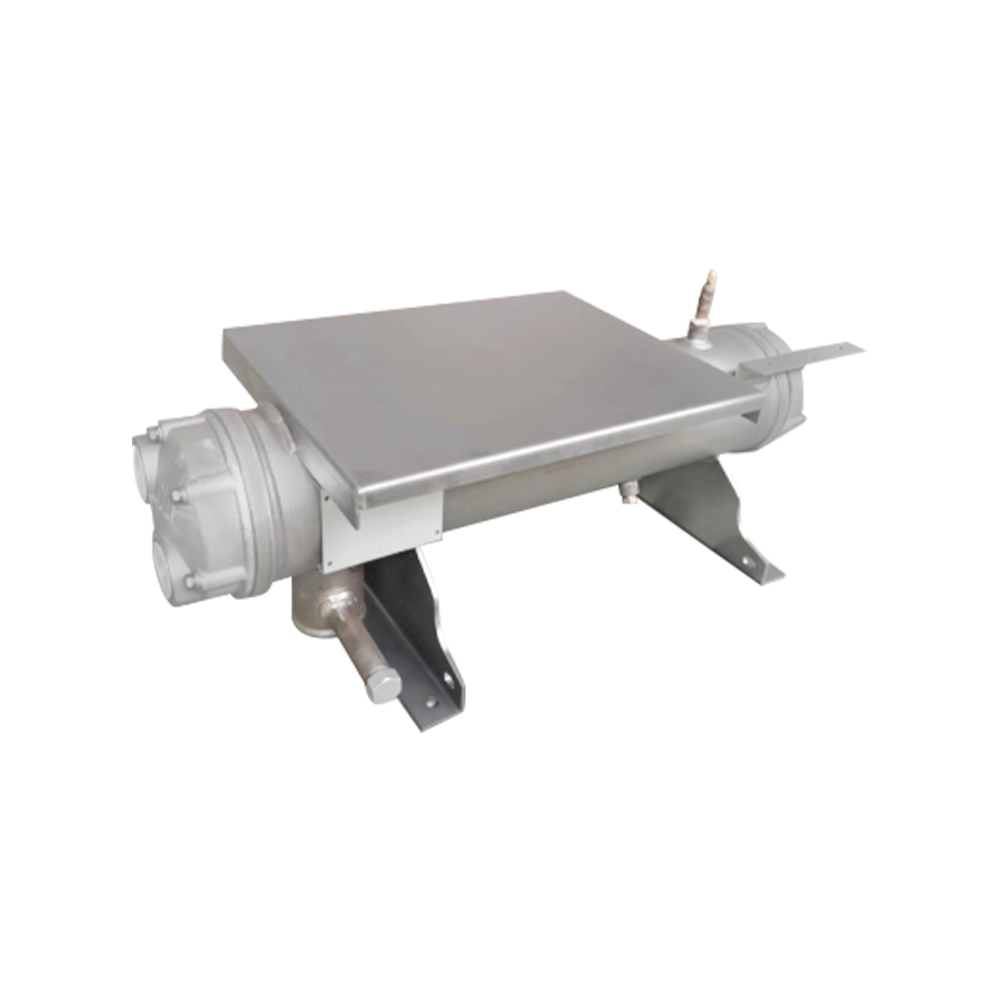
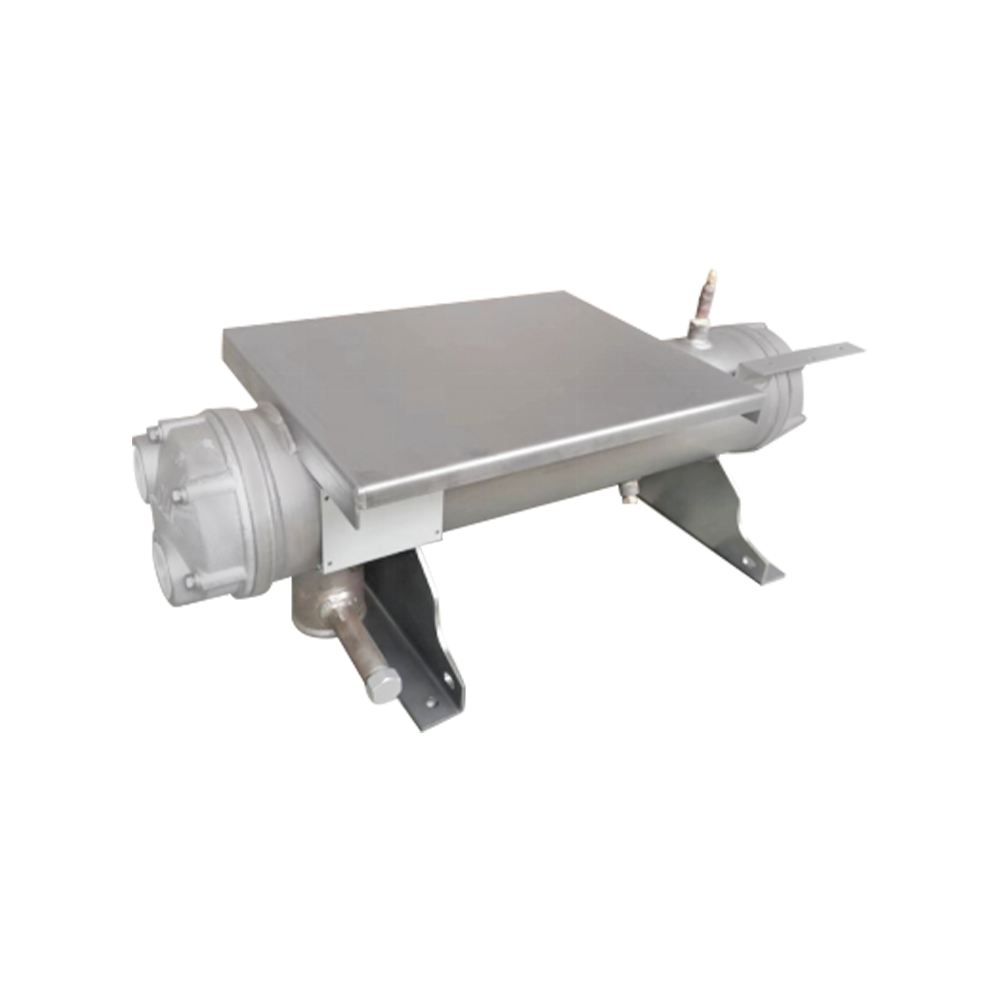
Condenser selection and water chemistry are linked. The KCWS series shell-and-tube water-cooled condenser uses seamless copper tubes for normal chemistry and offers stainless steel options for more aggressive water. The condenser model should be selected after the water analysis is known, not before.
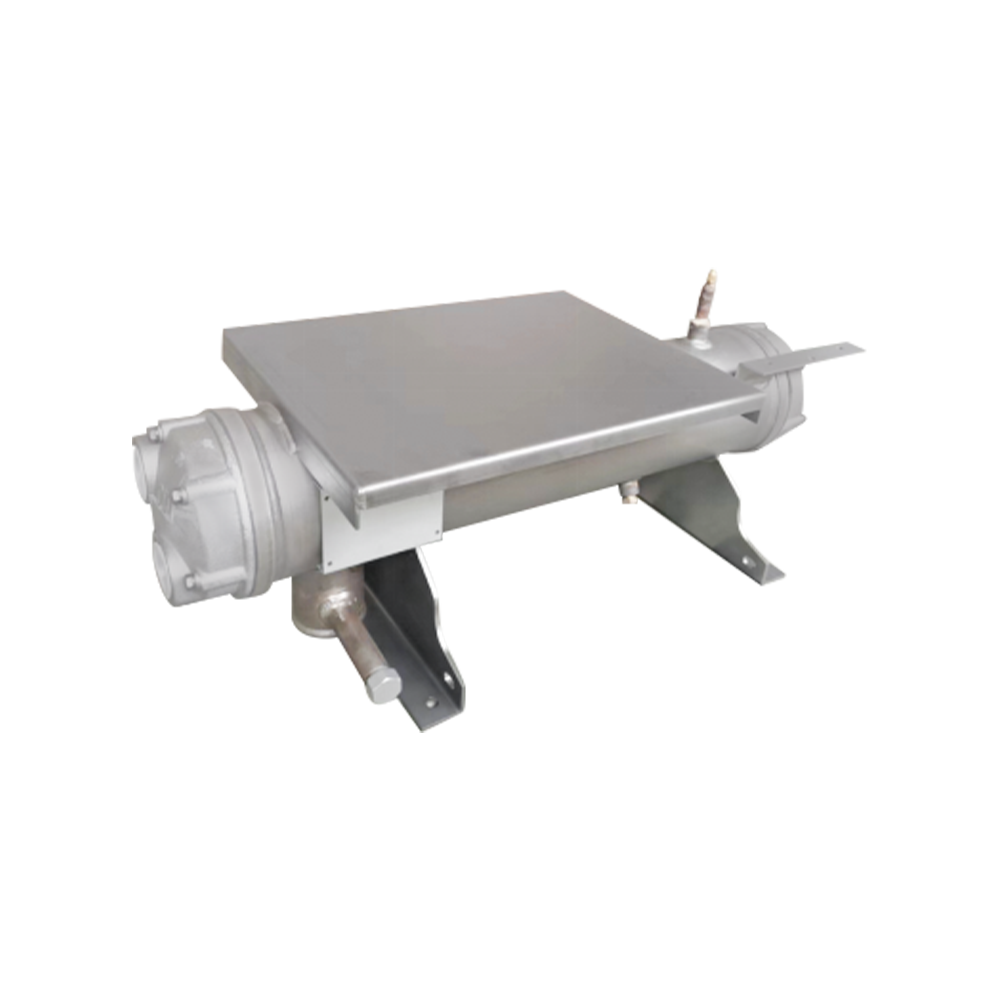 KCWS Series Shell-and-Tube Water-Cooled Condenser for Standard or Aggressive WaterWith seamless copper or stainless steel tubes and GB-standard compliant design, this condenser supports turbulent-flow water velocities needed to prevent scaling and maintain heat exchange efficiency.View Product →
Flow Rate and Temperature: The Operating Window
Clean water at the wrong flow rate is just as damaging as dirty water at the right rate. When using a water cooled condenser the water should move through the tubes in a turbulent regime so that the thin boundary layer at the tube wall stays small. In practice, that means a water velocity high enough to keep the Reynolds number above roughly 10,000, which for a shell-and-tube condenser works out to approximately 3 gpm per ton of refrigeration on a cooling-tower circuit.
When flow is too low, water absorbs more heat per unit volume, the leaving-water temperature rises, and condensing temperature rises with it. A 10% reduction in water flow can raise condensing temperature by several degrees; compressor power consumption climbs roughly 1% to 2% for every degree of condensing-temperature rise. The pump energy saved by throttling a condenser water valve is almost always smaller than the compressor penalty it creates.
The low-temperature side of the operating window matters just as much as the high side. A condenser supplied with 60°F well water in winter will produce very low condensing pressure. With a thermostatic expansion valve, liquid refrigerant can flash upstream of the valve and starve the evaporator. The standard remedy is a water-regulating valve that modulates water flow to maintain a set head pressure; the control set point should hold condensing temperature around 90°F to 100°F.
Water velocity also has an upper bound. For copper tubes, water velocities above 7 ft/s begin to erode the protective oxide layer, causing inlet-end thinning. The safe velocity range for copper condenser tube is roughly 3 to 7 ft/s, which is yet another reason to size the circuit for the rated flow rather than arbitrary throttling.
Water Treatment Is a Requirement, Not an Upgrade
Everything discussed so far assumes the water has been treated. In practice, water treatment means four programs running continuously, not a one-time cleaning performed at commissioning. Each program protects a different part of the water side.
- Filtration: A Y-strainer or basket strainer at the condenser inlet removes particles large enough to plug or erode tubes. A 20-to-40 mesh screen provides reasonable protection without excessive pressure drop.
- Scale control: Phosphonate or polymer-based inhibitors are dosed continuously to stop calcium carbonate from depositing on hot tube surfaces. The dose rate is usually based on the recirculating water volume and the cycles of concentration.
- Corrosion control: Azole-based passivators protect copper and copper alloys; molybdate or phosphate blends protect steel components. These inhibitors rely on a pH that stays inside the 7.0-to-9.0 band.
- Biological control: Periodic shock dosing with a registered biocide prevents biofilm and algae. Copper sulfate should be avoided because it is corrosive to copper tube materials and is discouraged in many regions.
In a recirculating cooling-tower circuit, a bleed-off valve controls cycles of concentration. The bleed rate is simply the make-up water flow divided by the target number of cycles. If make-up is 200 L/h and the target is four cycles, the bleed rate should be 50 L/h. Many systems automate this with a conductivity controller that opens the bleed valve whenever conductivity rises above the set point.
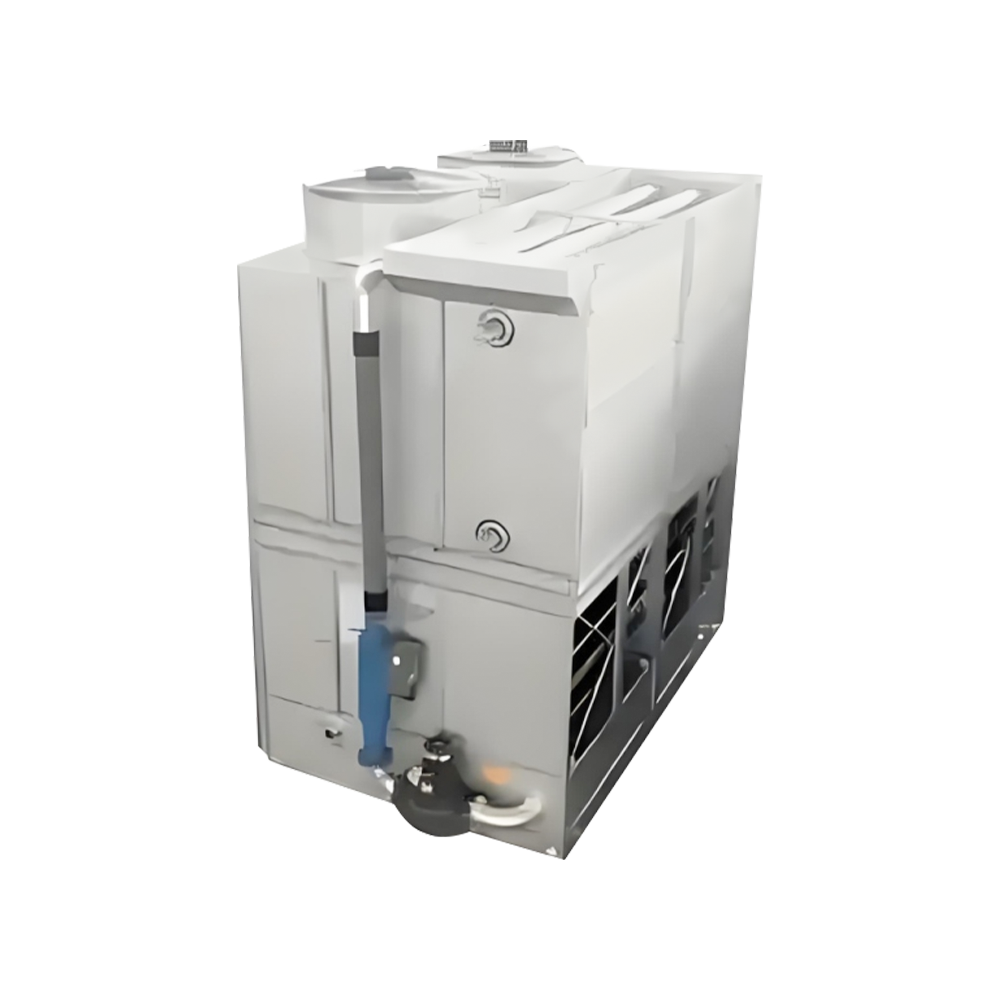
Facility operators who prefer a single-source water-side solution often choose packaged equipment. A packaged water-cooled chiller integrates the condenser, water-flow controls, and compressor protection into one skid. The water-cooled chiller range from Kaidi is supplied with water-side design data programmed into the controller, which simplifies commissioning and troubleshooting compared with site-built condenser circuits.
 Water-Cooled Chiller with Integrated Controller and Water-Side DataThis packaged chiller combines condenser, water-flow controls, and compressor protection, with pre-programmed design data to simplify commissioning and reduce field errors.View Product →
Scaling and Fouling: How Deposits Steal Condenser Capacity
Scale and fouling are the operating-level consequences of failed water treatment. Scale refers to crystallized mineral deposits, with calcium carbonate being the most common. Fouling refers to softer deposits such as suspended sediment, iron particles, slime, and bacterial colonies. Both accumulate inside the tubes and act as an insulation layer between water and tube metal.
The energy penalty is large. A scale layer of only 0.5 mm, which can form within a few months on tube surfaces operating around 130°F, can increase compressor power consumption by 10% to 15%. The condensing temperature must rise to push the same amount of heat through the deposit. At 1.0 mm of scale, the condenser can lose roughly 20% of its rated heat-rejection capacity, and no amount of refrigerant-side adjustment will recover it.
Operators track this through the approach temperature, defined as the difference between the condensing saturation temperature and the leaving-water temperature. A clean shell-and-tube condenser typically runs an approach of 5°F to 10°F. When the approach rises 50% above the clean value, the tubes should be cleaned. The early warnings are easy to see if they are actually checked:
- Condensing pressure creeps upward while the water flow remains constant.
- The water temperature difference across the condenser falls below the design value.
- The water-side pressure drop increases, indicating partial tube blockage.
- Compressor current draw is higher than the commissioning record at the same ambient and load conditions.
Corrosion: The Long-Term Threat to Condenser Tubes
Corrosion is the slowest but most expensive water-side failure mechanism. Because a condenser is a pressure vessel containing expensive tubes, corrosion should be addressed before a leak appears, not after. Four corrosion modes account for nearly every water-cooled condenser tube failure in service:
- Pitting from chlorides is the leading cause of premature failure in stainless steel tube bundles. Chloride ions break down the passive oxide film at localized points, and deep pits penetrate the wall in a matter of months under aggressive conditions.
- Erosion-corrosion starts at water velocities above about 7 ft/s in copper tubes. The flow pattern produces knife-edge thinning at the tube inlet ends, where turbulence is highest.
- Galvanic corrosion happens when the tube metal and tube-sheet metal sit far apart in the galvanic series, for example copper tubes rolled into a steel tube sheet. Proper tube-sheet selection and sacrificial protection prevent accelerated attack at the tube ends.
- Under-deposit corrosion forms where fouling mounds exclude oxygen, creating an oxygen-concentration cell. A tube that looks clean on the outside can hide severe localized attack beneath a 1 mm deposit.
The water rules that protect against corrosion are the same rules in Table 1: keep chlorides low, keep pH inside 7.0 to 9.0, avoid overdosing oxidizing biocides, and never allow flow to remain below design for extended periods. A single winter of stagnant untreated water in a standby condenser can do more damage than ten years of normal running.
Biological Growth and Biofilm in Condenser Water
Biofilm and algae growth matter because heat does not pass through biological slime efficiently. In cooling-tower circuits, algae colonize the distribution deck and shed into the system continuously; in the condenser, the shed material settles inside the tubes and reproduces the fouling problem described in the previous section, but with a living component that re-grows after mechanical cleaning.
Legionella is a water-safety risk in any water system that stays between 68°F and 122°F, which describes most condenser water circuits during the cooling season. The operational countermeasures are identical to good condenser maintenance: maintain an oxidant residual, avoid stagnant warm pockets, keep the recirculating water moving, and remove biofilm with year-round biocide dosing.
- Test the oxidant residual weekly during the cooling season and log the results.
- Shock-dose with biocide every two weeks, or immediately after any prolonged shutdown followed by restart.
- Keep the condenser water side filled and circulating even in shoulder seasons when the chiller runs intermittently; stagnant water is the main trigger for organic growth.
- Use a side-stream filter on large systems to remove fine organic solids that settle in the condenser.
A Practical Maintenance Schedule for the Condenser Water Side
Reading water chemistry values is only useful when they lead to action. The schedule in Table 3 keeps the checks simple enough for an in-house maintenance team and thorough enough to catch problems before they reach the approach-temperature alarm point.
| Frequency | Task | Key Point |
|---|---|---|
| Daily | Check flow rate, water supply and return temperatures | Temperature difference should remain close to the design delta T |
| Weekly | Check bleed rate and make-up water consumption | A sudden increase indicates a leak or bleed-valve failure |
| Monthly | Test pH, hardness, TDS, and conductivity | Compare against Table 1 limits before problems escalate |
| Quarterly | Clean strainers and inspect water-box interiors | Look for debris, soft scale, or slime accumulation |
| Annually | Open the condenser and mechanically clean all tubes | Measure wall thickness if heavy pitting is suspected |
For facilities without an in-house water-treatment specialist, a portable test kit covers pH, hardness, TDS, and conductivity with acceptable accuracy for routine monitoring. Once a year, a full laboratory analysis of a recirculating water sample catches chlorides, silica, iron, and sulfates far more precisely than test strips. The annual lab result also documents whether the inhibitor program is being maintained correctly.
If your water-side operation grows beyond what your local team can cover, a manufacturer that builds water-cooled condensers can review the system and recommend monitoring methods. Contact the Kaidi engineering team for application guidance on condenser water circuits.
Common Mistakes in Water-Cooled Condenser Operation
After years of condenser manufacturing and field support, the most common problems are not exotic refrigeration faults. They are routine water-side mistakes, repeated across facilities of every size:
- Operating without any water treatment program. This is the single fastest way to scale a condenser and lose capacity permanently.
- Underestimating bleed-off. Without enough bleed, cycles of concentration climb, and hardness and chloride levels pass Table 1 limits within weeks.
- Throttling water flow to save pump energy. The compressor penalty almost always exceeds the pump savings; flow should stay near rated conditions.
- Running on very cold water without head-pressure control. Low condensing pressure causes expansion-valve instability and evaporator starvation.
- Ignoring a rising approach temperature. The approach is the earliest quantitative warning that fouling is already underway.
- Using untreated well water once-through without testing. Well water with high iron or hardness deposits contamination before the season is over.
- Cleaning only after the condenser starts failing. Reactive cleaning is more expensive, more frequent, and still leaves residual scale in the deepest tube sections.
- Mismatching the condenser with the compressor package. The heat-rejection rating, water flow, and pressure drop must all be coordinated; factory-matched packages avoid this trap.
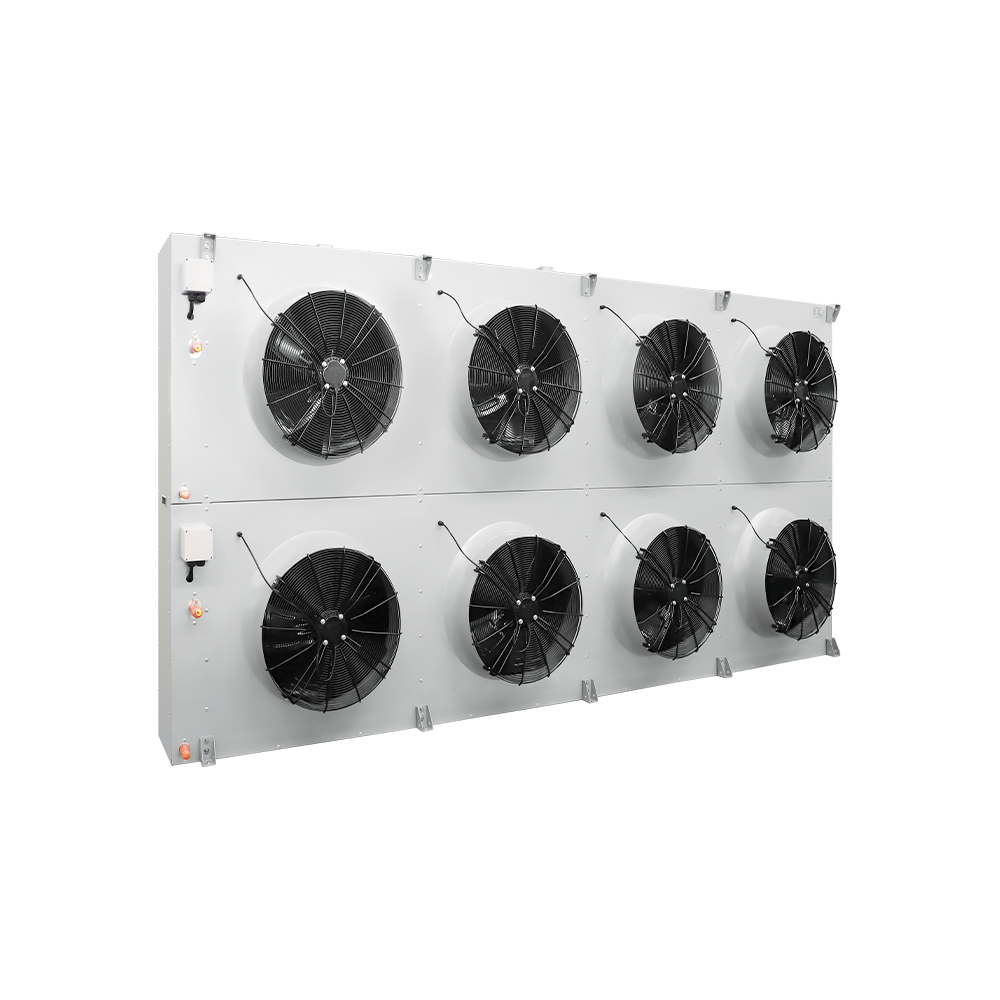
On the last point, a factory-matched water-cooled condensing unit is a reliable way to make sure the condenser, compressor, and water-side controls are engineered as one system. The KCWS series semi-enclosed piston water-cooled compressor condensing unit pairs a water-cooled condenser with the compressor and control logic in a single package, eliminating field-matching errors.
 KCWS Series Semi-Enclosed Piston Water-Cooled Condensing Unit for Low-Temperature UseThis factory-matched unit pairs a water-cooled condenser with a compressor and control logic, eliminating field errors and operating stably at -25°C to -50°C for freezing applications.View Product →
Frequently Asked Questions About Water-Cooled Condenser Water
When using a water cooled condenser the water should be what type?
The water should be clean, filtered, chemically treated water with a pH between 7.0 and 9.0, hardness below 150 ppm, chlorides below 250 ppm, and total dissolved solids below 1,000 ppm. Potable-quality make-up water is acceptable once it is passed through a strainer and balanced with scale, corrosion, and biological inhibitors. Raw well water, river water, or untreated cooling-tower sump water should never be sent directly into a condenser.
How many gallons per minute does a water-cooled condenser need?
A typical shell-and-tube water-cooled condenser on a cooling-tower circuit needs about 3 gpm per ton of refrigeration. A once-through city water or well-water application can operate with 1.5 to 2.0 gpm per ton because the entering water is colder. The manufacturer datasheet should always be consulted, because the rated flow is tied to the condenser's heat-rejection capacity and allowable pressure drop.
What is the ideal entering water temperature for a water-cooled condenser?
For most industrial condensers rated under AHRI conditions, the ideal entering water temperature is 75°F to 85°F. Warmer water raises condensing pressure and compressor power. Water below about 60°F can cause low-head-pressure problems in thermostatic-expansion-valve systems, so a head-pressure-regulating water valve should be fitted for cold water supplies.
What happens if the condenser water is too hard?
Hard water deposits calcium and magnesium carbonate scale on the hot tube walls. A scale layer of only 0.5 mm can raise compressor power consumption by 10% to 15%. Hardness should be controlled with a softener on make-up water and a scale inhibitor dosed into the recirculating loop, especially when the operating temperature is high.
How often should condenser water be tested?
pH, hardness, TDS, and conductivity should be tested monthly using a portable kit during the cooling season. A full laboratory analysis should be performed at least once per year, preferably before the cooling season starts, to verify chlorides, silica, iron, and sulfates. Weekly testing is recommended for systems operating under a very aggressive water chemistry or a high cycle-of-concentration strategy.
Can tap water run directly through a water-cooled condenser without treatment?
It is not recommended. Even clean-looking tap water contains dissolved minerals and gases that will form scale, promote corrosion, and support biological growth inside the tubes. A simple strainer plus a monthly biocide dose and a scale-inhibitor dose is the minimum protection for a condenser that is expected to last 15 years or longer.
Why does condenser head pressure rise after a few months of service?
The most common cause is scaling or fouling on the water side. As deposits build on the inside of the tubes, heat transfer falls and condensing pressure rises to maintain heat rejection. Check the approach temperature first: a rise of 50% above the clean approach value indicates that mechanical cleaning is required. If the water chemistry is stable and head pressure still rises, check the refrigerant side for non-condensable gases.