

 English
 中文简体
中文简体Content
- 1 The Direct Answer: It's Named After What It Does
- 2 What Condensation Actually Means in an HVAC Context
- 3 The Core Components That Make a Condenser Unit Work
- 4 Where the Condenser Unit Fits in the Refrigeration Cycle
- 5 Why the Condenser Unit Is Placed Outdoors
- 6 Condenser Unit vs. Evaporator Coil: The Two Sides of Every Split System
- 7 Different Types of Condenser Units and How They Differ
- 8 Common Misconceptions About Condenser Units
- 9 How Condenser Unit Efficiency Is Measured and Why It Matters
- 10 Maintaining a Condenser Unit to Protect the Condensation Process
- 11 The Term in Broader Refrigeration and Industrial Contexts
- 12 Signs That Your Condenser Unit Is Not Condensing Properly
The Direct Answer: It's Named After What It Does
A condenser unit gets its name from the thermodynamic process it performs: condensation. Inside the unit, hot refrigerant vapor is cooled down until it transitions from a gas back into a liquid — that process is condensation. The component responsible for making this happen is the condenser coil, and because the entire outdoor assembly is built around supporting and housing this function, the whole unit takes the name "condenser unit."
This is not a marketing term or a casual nickname. It is a precise engineering label that describes the specific phase-change process occurring inside the equipment. When refrigerant enters the condenser unit as a high-pressure, high-temperature gas and leaves it as a high-pressure liquid, condensation has occurred. The name follows the function, and the function is condensation.
Understanding this naming logic helps you understand the whole refrigeration cycle — and it also helps you communicate more accurately with HVAC technicians, read equipment specifications, and make better purchasing decisions.
What Condensation Actually Means in an HVAC Context
In everyday life, most people associate condensation with moisture forming on a cold glass of water on a warm day. That is indeed condensation — water vapor in the air contacts a cold surface and turns into liquid droplets. The same principle applies inside your condenser unit, but the substance involved is refrigerant, not water.
Refrigerants like R-410A or R-32 behave similarly to water in that they can exist as a gas or a liquid depending on temperature and pressure. When the compressor raises the pressure of refrigerant vapor, the boiling point of that refrigerant also rises. At the elevated pressure inside the condenser coil — typically between 200 and 400 PSI depending on the system and refrigerant type — the refrigerant vapor can condense back into a liquid at temperatures above ambient air temperature. This means the outdoor air, even on a hot summer day, can absorb heat from the refrigerant and cause it to condense.
The heat released during this condensation process is called latent heat of condensation. For every pound of R-410A that condenses, roughly 100 BTUs of heat are released into the outdoor air. This is why you can feel warm air blowing out of the top or side of an outdoor condenser unit — it is not hot air being generated; it is heat being removed from your home's interior and expelled outside.
The Core Components That Make a Condenser Unit Work
The condenser unit is not a single device — it is an assembly of several interdependent components, each serving a specific role in the condensation process. Understanding what is inside the unit clarifies why it is built the way it is and why the name fits so well.
The Compressor
The compressor is the heart of the system. It takes low-pressure refrigerant vapor from the evaporator coil (indoors) and compresses it into a high-pressure, high-temperature gas. This step is essential because it raises the refrigerant's condensation point above the outdoor air temperature. Without the compressor, the condenser coil could not release heat into the surrounding air. Residential compressors typically consume between 1,000 and 5,000 watts of electricity depending on the system's capacity.
The Condenser Coil
This is the defining component — the one that gives the entire unit its name. The condenser coil is a series of copper or aluminum tubes with thin metal fins attached to increase surface area. Hot refrigerant vapor flows through these tubes while outdoor air passes over the fins, absorbing heat. As the refrigerant loses heat, it condenses into a liquid. The larger the coil surface area, the more efficiently the unit can reject heat. High-efficiency units often feature larger, multi-row coils compared to standard models.
The Condenser Fan
The fan pulls outdoor air across the condenser coil to enhance heat transfer. Without active airflow, the coil would overheat and the refrigerant would not condense efficiently. Most residential condenser unit fans are propeller-type fans rated between 1/6 and 1/2 horsepower, moving anywhere from 1,500 to 3,000 cubic feet of air per minute. In commercial units, multiple fans may work in parallel to handle larger thermal loads.
The Refrigerant Lines and Service Valves
Two copper refrigerant lines connect the outdoor condenser unit to the indoor evaporator coil. The larger line (suction line) carries low-pressure vapor back to the compressor. The smaller line (liquid line) carries the high-pressure liquid refrigerant that has just been condensed back indoors. Service valves on the unit allow technicians to isolate the refrigerant charge for maintenance without having to recover all of the refrigerant each time.
The Capacitor and Contactor
These electrical components support the compressor and fan motor. The capacitor provides the starting torque needed to get motors running and keeps them operating efficiently. The contactor acts as a high-voltage relay that connects power to the unit when the thermostat calls for cooling. Both are common failure points — a failed run capacitor is one of the most frequent reasons a condenser unit stops working even when the rest of the system is fine.
Where the Condenser Unit Fits in the Refrigeration Cycle
The refrigeration cycle has four main stages, and the condenser unit is responsible for one of the two most critical ones. Here is how the complete cycle works:
- Evaporation (indoors): Low-pressure liquid refrigerant enters the evaporator coil inside the air handler or furnace. It absorbs heat from the indoor air and evaporates into a gas. This is what cools your home — the refrigerant pulls heat out of the air.
- Compression (condenser unit): The low-pressure vapor travels to the compressor inside the condenser unit, which compresses it into a high-pressure, high-temperature gas, typically reaching temperatures of 120–180°F (49–82°C).
- Condensation (condenser unit): The hot vapor moves through the condenser coil. The fan blows outdoor air across the coil, and the refrigerant releases its heat and condenses into a high-pressure liquid.
- Expansion (indoors): The high-pressure liquid passes through an expansion valve or metering device, which drops its pressure and temperature rapidly. The refrigerant is now ready to absorb heat again at the evaporator coil.
The condenser unit handles stages 2 and 3 — compression and condensation. Stage 3 is the one that gives the unit its name, but stage 2 is what makes stage 3 physically possible. You cannot have efficient condensation without adequate compression.
Why the Condenser Unit Is Placed Outdoors
The outdoor placement of the condenser unit is not arbitrary. It is a direct consequence of what the unit does: it expels heat. Placing a heat-rejecting component indoors would be counterproductive — it would warm the same space you are trying to cool. The outdoor location allows the unit to dump heat into the atmosphere, which has an effectively unlimited capacity to absorb it.
This is also why condenser unit placement matters for efficiency. A unit placed in a shaded, well-ventilated area will perform significantly better than one placed in direct sunlight or in a confined corner with poor airflow. Studies have shown that shading a condenser unit can reduce its energy consumption by 3–10%, because it does not have to work as hard to reject heat into cooler-than-direct-sun surroundings.
Clearance requirements for condenser units are specified by manufacturers precisely because airflow restriction directly impairs the condensation process. Most manufacturers require at least 18–24 inches of clearance on the sides and 4–5 feet of clearance above the fan discharge to prevent hot air recirculation — a condition where the unit pulls in air it has already heated, reducing its ability to condense refrigerant effectively.
Condenser Unit vs. Evaporator Coil: The Two Sides of Every Split System
A standard split-system air conditioner has two main sections: the outdoor condenser unit and the indoor evaporator coil (also called the air handler or cooling coil). These two components are named after the processes they facilitate, and understanding both names together makes the entire system's logic obvious.
| Feature | Condenser Unit (Outdoor) | Evaporator Coil (Indoor) |
|---|---|---|
| Named after | Condensation (gas → liquid) | Evaporation (liquid → gas) |
| Role | Rejects heat to outdoors | Absorbs heat from indoors |
| Refrigerant state entering | High-pressure vapor | Low-pressure liquid |
| Refrigerant state leaving | High-pressure liquid | Low-pressure vapor |
| Air temperature change | Air gets warmer leaving the unit | Air gets cooler leaving the coil |
| Location | Outside the building | Inside the building |
The two units are a matched pair. Mismatching them — installing an indoor coil designed for one tonnage rating with an outdoor condenser unit rated for another — reduces efficiency, shortens equipment life, and can void warranties. AHRI (Air-Conditioning, Heating, and Refrigeration Institute) certification matches indoor and outdoor components tested together to confirm their rated efficiency ratings are achievable in real-world operation.
Different Types of Condenser Units and How They Differ
Not all condenser units work the same way. While the condensation process is consistent, the method of heat rejection varies. This leads to several distinct types of condenser unit designs, each suited to different applications.
Air-Cooled Condenser Units
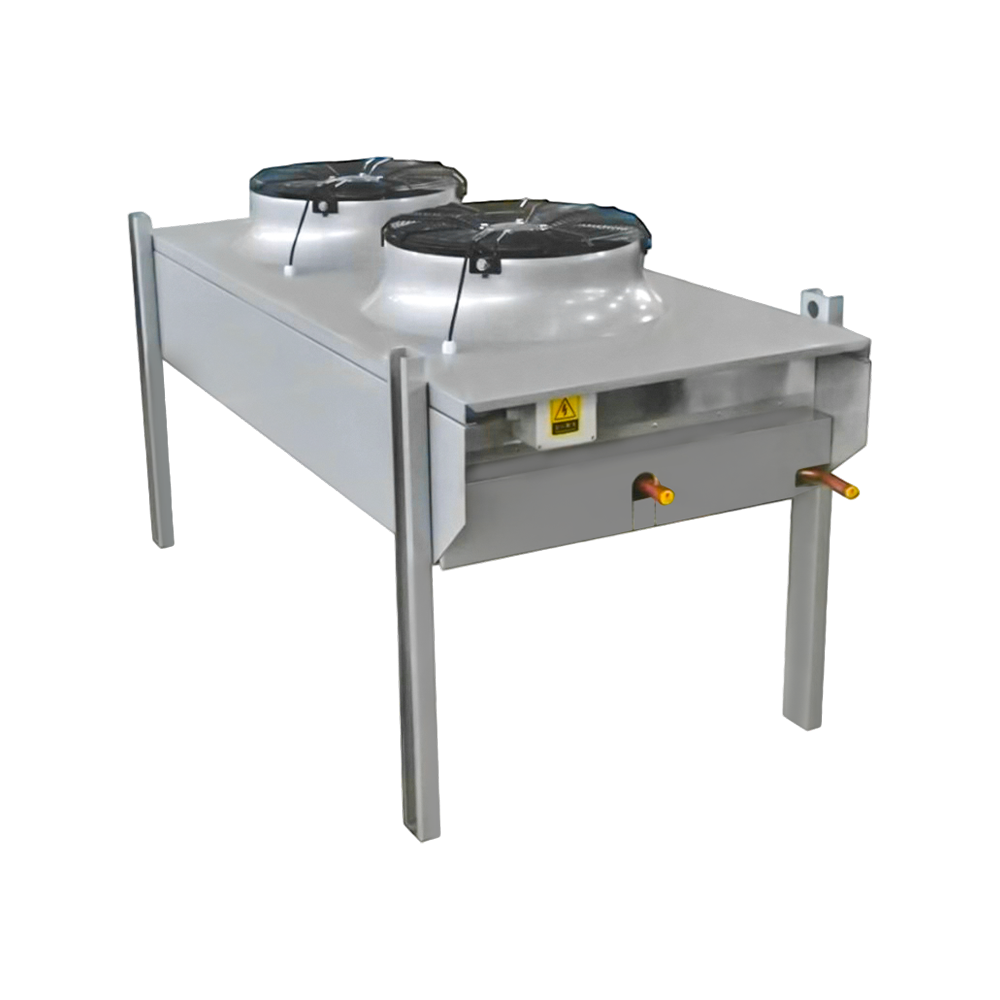
This is the standard residential and light commercial type. The condenser coil is cooled by moving outdoor air — hence "air-cooled." The fan draws or blows air across the coil, and heat dissipates into the atmosphere. Air-cooled condenser units are simple, cost-effective, and require minimal maintenance beyond keeping the coil clean and the fan unobstructed. They are used in virtually every residential central air conditioning system in North America.
Water-Cooled Condenser Units
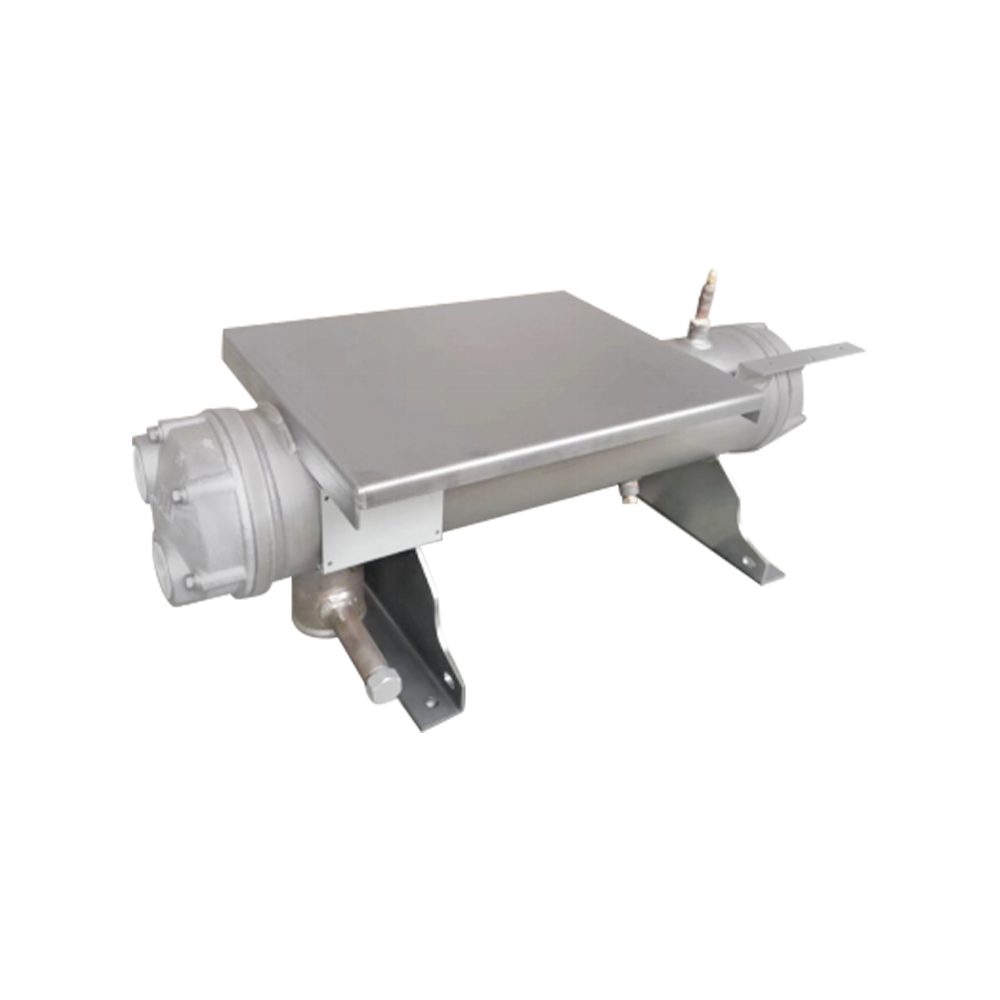
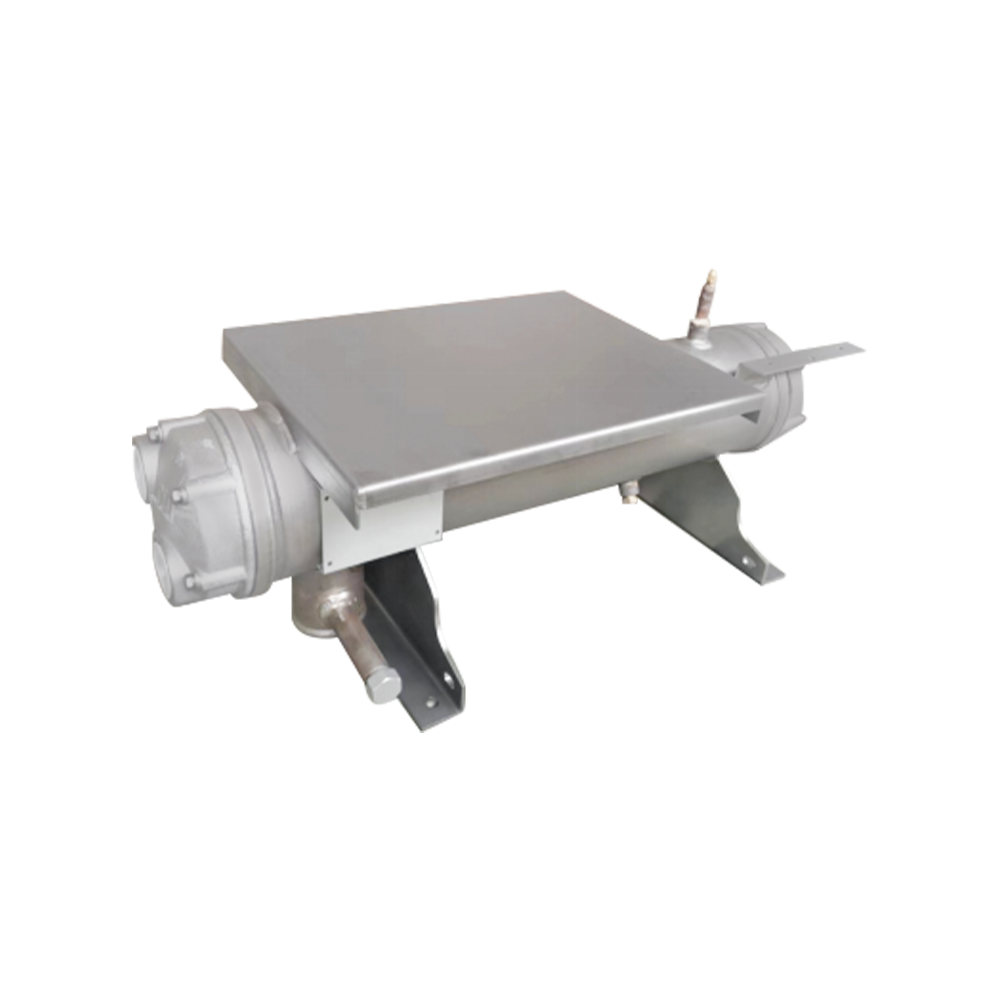
In water-cooled systems, the condenser coil is surrounded by water rather than air. The water absorbs heat from the refrigerant and is either discharged (once-through systems) or recirculated through a cooling tower. Water is a far better heat transfer medium than air — its thermal conductivity is about 25 times higher than air — so water-cooled systems are more efficient but require access to a water source and additional infrastructure. They are common in large commercial buildings and industrial refrigeration systems.
Evaporative Condenser Units
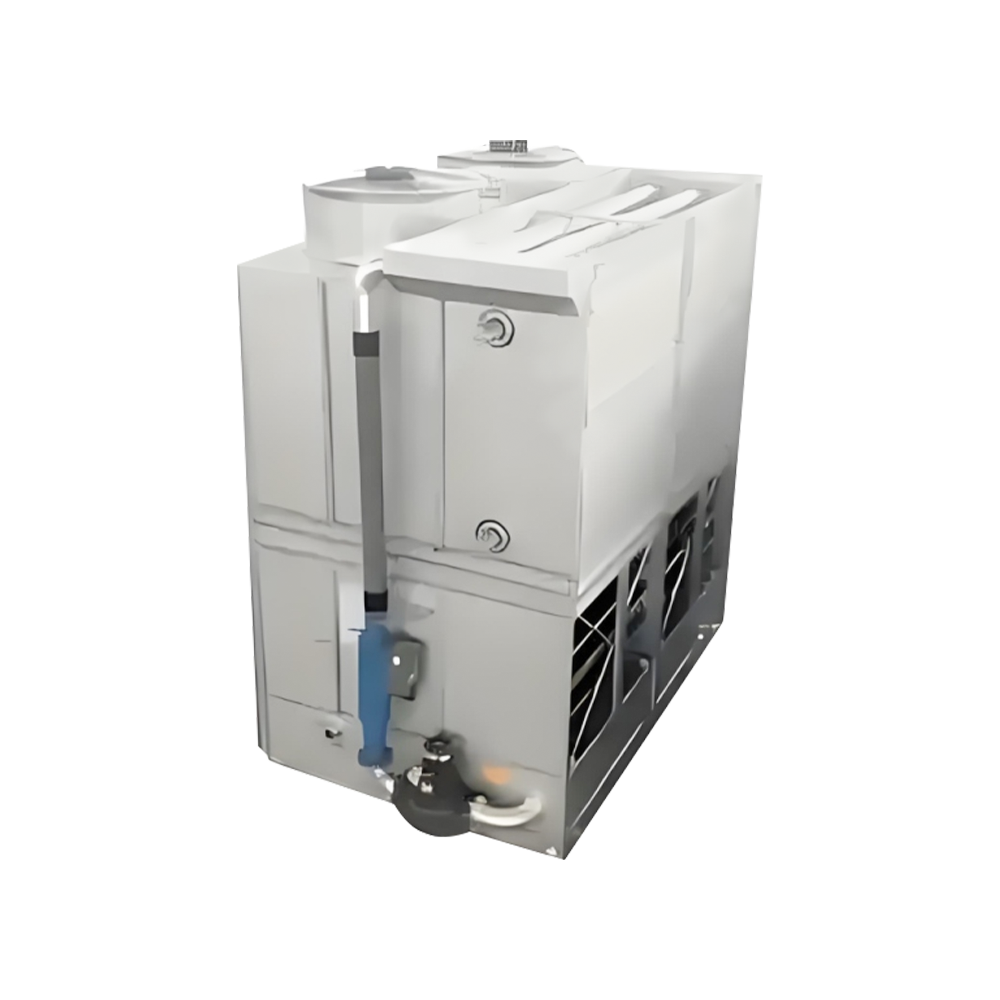
These units combine air and water cooling. Water is sprayed over the condenser coil while air is blown across it. As the water evaporates, it takes heat with it, allowing the condenser coil to operate at a lower temperature than an air-cooled unit. Evaporative condenser units are especially effective in hot, dry climates and are widely used in commercial refrigeration and ice rinks. They can achieve 15–30% greater efficiency compared to air-cooled designs under peak summer conditions.
Geothermal Condenser Configurations
In ground-source heat pump systems, the "condenser unit" function is performed by a ground loop — a series of pipes buried in the earth or submerged in a water body. The earth acts as the heat sink, accepting heat from the refrigerant. Because ground temperature remains relatively stable year-round (typically 50–60°F in most of the continental US regardless of season), ground-source systems can reject heat more efficiently than air-cooled units on hot summer days. The term "condenser unit" still applies conceptually, but the outdoor cabinet familiar from conventional systems is replaced by buried piping and an indoor unit that houses the compressor and heat exchanger.

Common Misconceptions About Condenser Units
Because the term "condenser unit" is not intuitive to people who have not studied refrigeration, several persistent misconceptions have grown around what this equipment actually does.
"The condenser unit is the AC unit"
Many homeowners refer to the outdoor condenser unit as "the AC unit," implying it is the entirety of the system. In a split system, it is only half the system. The indoor evaporator coil and air handler are equally essential components. Replacing the outdoor condenser unit without replacing a failing indoor coil — or without checking refrigerant compatibility — is a common mistake that leads to poor performance and early equipment failure.
"The condenser unit produces cool air"
The condenser unit does the opposite — it produces and expels warm air. The cooling effect people feel indoors is produced by the evaporator coil. The condenser unit's job is to get rid of the heat that the evaporator coil pulled from your home. If anything, a condenser unit raises the outdoor temperature very slightly in its immediate vicinity.
"Bigger is always better"
Oversizing a condenser unit is a real and common problem. A unit that is too large will short-cycle — turning on and off frequently rather than running through full cooling cycles. This prevents proper dehumidification, causes excessive wear on the compressor, and actually results in higher indoor humidity and discomfort despite the large capacity. Proper Manual J load calculations are the correct way to size a condenser unit for a given home, not rough rules of thumb like "one ton per 500 square feet."
"Running the condenser unit on very hot days is dangerous for it"
Condenser units are designed to operate at high outdoor temperatures. Most residential units are rated to operate in outdoor temperatures up to 115–125°F (46–52°C). What actually stresses a condenser unit is restricted airflow, dirty coils, low refrigerant charge, or electrical issues — not ambient heat alone. Regular maintenance addresses all of these factors.
How Condenser Unit Efficiency Is Measured and Why It Matters
The efficiency of a condenser unit — or more precisely, the efficiency of the complete system it anchors — is measured by SEER2 (Seasonal Energy Efficiency Ratio 2), the updated standard that replaced SEER beginning in 2023 in the United States. SEER2 measures the total cooling output (in BTUs) divided by the total electrical energy consumed (in watt-hours) over an entire cooling season under standardized test conditions that better reflect real-world external static pressure.
Minimum SEER2 ratings for new condenser units sold in the US vary by region. As of 2023:
- South and Southwest (the hot-climate regions): Minimum 15.2 SEER2 for split-system central air conditioners
- North (cooler-climate regions): Minimum 13.4 SEER2
- High-efficiency models: Available up to 26 SEER2 and beyond
A higher SEER2 rating means the condenser unit — and the system it is part of — does more cooling work per unit of electricity consumed. Upgrading from a 10 SEER system (common in units from the early 2000s) to a 20 SEER2 system can reduce cooling-related electricity consumption by roughly 50%, which translates to hundreds of dollars annually in climates with long cooling seasons.
Variable-speed condenser units — those with inverter-driven compressors that can modulate their output — typically achieve higher SEER2 ratings because they spend most of their operating time at partial load, which is inherently more efficient than cycling between full capacity and off. A variable-speed compressor can run at as little as 20–30% of its rated capacity during mild weather, providing precise temperature control and significantly lower energy consumption than single-stage units.
Maintaining a Condenser Unit to Protect the Condensation Process
Because the condenser unit's core function depends on efficient heat transfer at the coil surface, anything that impairs coil cleanliness or airflow directly reduces the unit's ability to condense refrigerant effectively. A dirty condenser coil can raise condensing pressure by 10–20%, which forces the compressor to work harder, consumes more electricity, and increases wear on the system's most expensive component.
Routine maintenance tasks that protect the condensation process include:
- Annual coil cleaning: Use a garden hose or purpose-made coil cleaner to remove dirt, dust, cottonwood seeds, and other debris from the condenser coil fins. Do not use a pressure washer — it can bend the delicate aluminum fins and reduce airflow.
- Clearing vegetation: Maintain at least 18 inches of clearance around the unit. Grass, weeds, and shrubs can grow into the coil over a single season, blocking airflow significantly.
- Straightening bent fins: A fin comb can restore bent aluminum fins to their upright position, restoring airflow through the coil. Even minor fin damage across a large area of the coil can measurably reduce heat transfer.
- Checking refrigerant charge: Low refrigerant charge prevents complete condensation of the refrigerant vapor, resulting in refrigerant leaving the condenser coil still partially in vapor form. This condition — called "liquid floodback" in reverse when overcharged, or incomplete condensation when undercharged — reduces system capacity and can damage the compressor over time.
- Inspecting electrical components: Capacitors and contactors should be checked annually. A weak capacitor causes the compressor and fan motor to draw excessive current, increasing heat generation and reducing compressor life.
- Winterizing: In cold climates, covering the condenser unit in winter (with a breathable cover, not an airtight tarp) protects it from ice, falling branches, and debris. Remove the cover before operation in spring — running the unit covered will quickly cause overheating.
The Term in Broader Refrigeration and Industrial Contexts
The term "condenser unit" extends well beyond residential air conditioning. Across refrigeration and industrial cooling applications, the same naming logic applies: wherever there is a self-contained assembly whose primary purpose is to condense refrigerant vapor by rejecting heat to an external medium, that assembly is called a condenser unit.
In commercial refrigeration — walk-in coolers, display cases, cold storage warehouses — condensing units (a common alternate term) are often rack-mounted and serve multiple evaporators simultaneously. A single commercial condensing unit might serve 10, 20, or more refrigerated display cases in a grocery store, with refrigerant distributed through a piping network throughout the sales floor. These systems use the same condensation principle but at much larger scale, sometimes rejecting hundreds of thousands of BTUs per hour.
In industrial process cooling — chemical plants, data centers, pharmaceutical manufacturing — the "condenser unit" may take the form of a chiller's condenser section, a large evaporative condenser tower, or a dry cooler. The terminology shifts slightly depending on the industry, but the underlying physics remain identical: hot refrigerant vapor must lose heat and condense into a liquid before the cycle can repeat.
Even in automotive air conditioning, the component that rejects heat from the refrigerant is called the condenser — it sits in front of the radiator and uses airflow from vehicle motion and the engine cooling fan to condense the refrigerant. The naming convention is consistent across every application because the physics are consistent.
Signs That Your Condenser Unit Is Not Condensing Properly
When the condenser unit cannot perform its condensation function effectively, the symptoms are usually noticeable in system performance before they become catastrophic failures. Recognizing these signs early can prevent expensive compressor replacement.
- Reduced cooling capacity: The home takes longer than usual to reach the set temperature, or cannot maintain set temperature during peak heat of the day. This often indicates the condenser cannot reject enough heat, leaving refrigerant incompletely condensed and reducing system capacity.
- High head pressure: A technician measuring system pressures will find suction and discharge (head) pressure readings outside normal ranges. Abnormally high head pressure is a direct indicator that heat rejection is impaired — the refrigerant cannot condense at the expected pressure because the coil is too hot or airflow is restricted.
- The unit runs continuously: If the condenser unit runs without shutting off but the home does not cool, the system is working at maximum capacity without achieving the necessary condensation to complete the refrigeration cycle efficiently.
- Ice formation on the indoor coil: Paradoxically, poor condensation outdoors can cause ice to form on the indoor evaporator coil. When refrigerant does not fully condense in the condenser unit, it enters the expansion device partially as vapor, which disrupts the evaporation process indoors and can cause icing.
- Tripping high-pressure cutouts: Most condenser units have a high-pressure safety switch that shuts the compressor off if head pressure exceeds a safe threshold. Repeated tripping of this switch is a clear sign that condensation is not occurring at the rate needed to keep operating pressure within safe limits.