

 English
 中文简体
中文简体Content
- 1 AC Compressor vs Condenser: The Direct Answer
- 2 What Each Component Actually Does
- 3 Common Compressor and Condenser Types
- 4 How They Combine Into a Condensing Unit
- 5 Recognizing the Difference Through Failure Symptoms
- 6 Replacement Cost and Lifespan Considerations
- 7 Energy Efficiency Impact
- 8 Maintenance Practices That Protect Both Components
- 9 Choosing Replacement Parts: What Buyers Should Confirm
- 10 Frequently Asked Questions
- 10.1 Is the condenser part of the compressor?
- 10.2 Can a condenser fail without affecting the compressor?
- 10.3 Why do people sometimes call the whole outdoor unit a condenser?
- 10.4 Which part is more expensive to replace, the compressor or the condenser coil?
- 10.5 Does a bad condenser fan always mean the condenser coil is also bad?
- 10.6 How can I tell if my system needs a new compressor or a new condensing unit entirely?
- 10.7 Does a bigger condenser always mean better performance?
- 10.8 Can dirty air filters affect the compressor or only the condenser?
AC Compressor vs Condenser: The Direct Answer
The AC compressor and the condenser are two different components that work together but perform opposite jobs inside a refrigeration circuit. The compressor is the mechanical heart of the system: it pulls in low-pressure refrigerant gas from the evaporator side and squeezes it into a high-pressure, high-temperature gas. The condenser is a heat exchanger: it takes that hot, high-pressure gas from the compressor and cools it down until it turns back into a liquid, releasing heat into the surrounding air in the process. In short, the compressor moves and pressurizes refrigerant, while the condenser removes heat from it. Neither part can substitute for the other, and a failure in one nearly always affects the performance of the entire Condensing Unit.
This distinction matters for anyone purchasing replacement parts, diagnosing a cooling problem, specifying equipment for a new installation, or simply trying to understand why a service technician quoted one repair price for a fan motor and a very different price for a compressor swap. The two parts share a cabinet and a refrigerant line, but they do not share a job description, a failure pattern, or a price tag.
What Each Component Actually Does
The Compressor: Pressure and Circulation
The compressor is often described as the engine of the refrigeration cycle, and the comparison holds up well in practice. It draws refrigerant vapor from the evaporator side at low pressure and low temperature, then compresses it mechanically using pistons, scrolls, rotary vanes, or screws depending on the design. This compression raises both the pressure and the temperature of the refrigerant substantially. A typical scroll or rotary compressor in a residential split system might raise refrigerant pressure from roughly 70 to 120 psi on the suction side to 200 to 300 psi on the discharge side, depending on the refrigerant type and outdoor ambient conditions. Without this pressure increase, the refrigerant would never reach a temperature high enough to release heat into outdoor air that may itself be 90°F (32°C) or higher during peak summer load.
Compressors also consume the large majority of a system's electrical draw. In most residential and light commercial units, the compressor motor accounts for the bulk of total running current, which is why a failing or inefficient compressor shows up directly on an electricity bill long before it stops running altogether.
The Condenser: Heat Rejection
Once the hot, pressurized gas leaves the compressor, it travels through copper or aluminum tubing into the condenser coil. A fan pulls ambient air across the coil's fins, and the refrigerant gives up its heat to that air stream. As heat is removed, the refrigerant changes state from a gas back into a liquid. This liquid refrigerant then continues toward the expansion device and evaporator to complete the cycle. The condenser's job is purely thermal exchange; it has no internal moving parts that pressurize or compress anything, which is one reason condenser coils tend to outlast compressors when properly maintained.
Why the Two Are Often Confused
Because the compressor and condenser sit inside the same outdoor cabinet in most split and packaged systems, many people use the word "condenser" loosely to describe the whole outdoor box. This habit is understandable since the condenser coil wraps around the visible exterior of the unit, but it can cause confusion when a part needs to be ordered or a repair needs to be diagnosed correctly.
| Aspect | Compressor | Condenser |
|---|---|---|
| Primary Function | Compresses and circulates refrigerant | Releases heat and condenses refrigerant |
| State Change | Low-pressure gas to high-pressure gas | High-pressure gas to high-pressure liquid |
| Moving Parts | Pistons, scrolls, or rotary vanes | None internally; relies on an external fan |
| Power Draw | High, often the majority of total unit load | Low, mainly the fan motor |
| Typical Location | Inside the outdoor unit housing | Surrounding the compressor in the outdoor unit |
| Common Failure Cause | Electrical faults, worn bearings, overheating | Dirty fins, blocked airflow, fan motor wear |
Common Compressor and Condenser Types
Compressor Types in Use Today
Several compressor designs are used across residential, commercial, and industrial cooling equipment, each with different efficiency characteristics and noise profiles.
- Reciprocating compressors use pistons and are common in older or smaller systems; they are durable but tend to be noisier.
- Scroll compressors use two interleaved spiral elements and dominate residential central air conditioning today due to quieter operation and fewer moving parts.
- Rotary compressors are widely used in smaller units such as window or mini-split systems because of their compact size.
- Screw compressors appear in larger commercial and industrial chillers where high capacity and continuous duty cycles are required.
Condenser Configurations
Condensers are generally grouped by the medium used to absorb heat from the refrigerant.
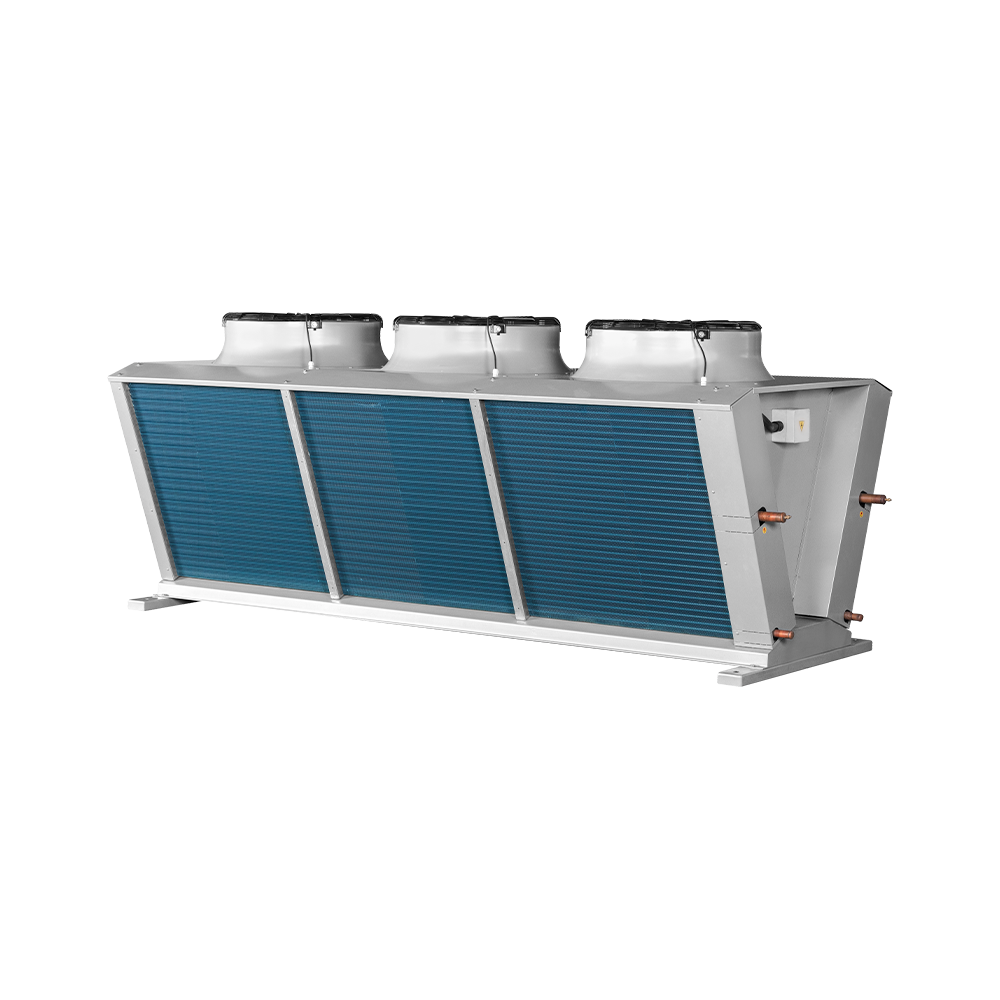
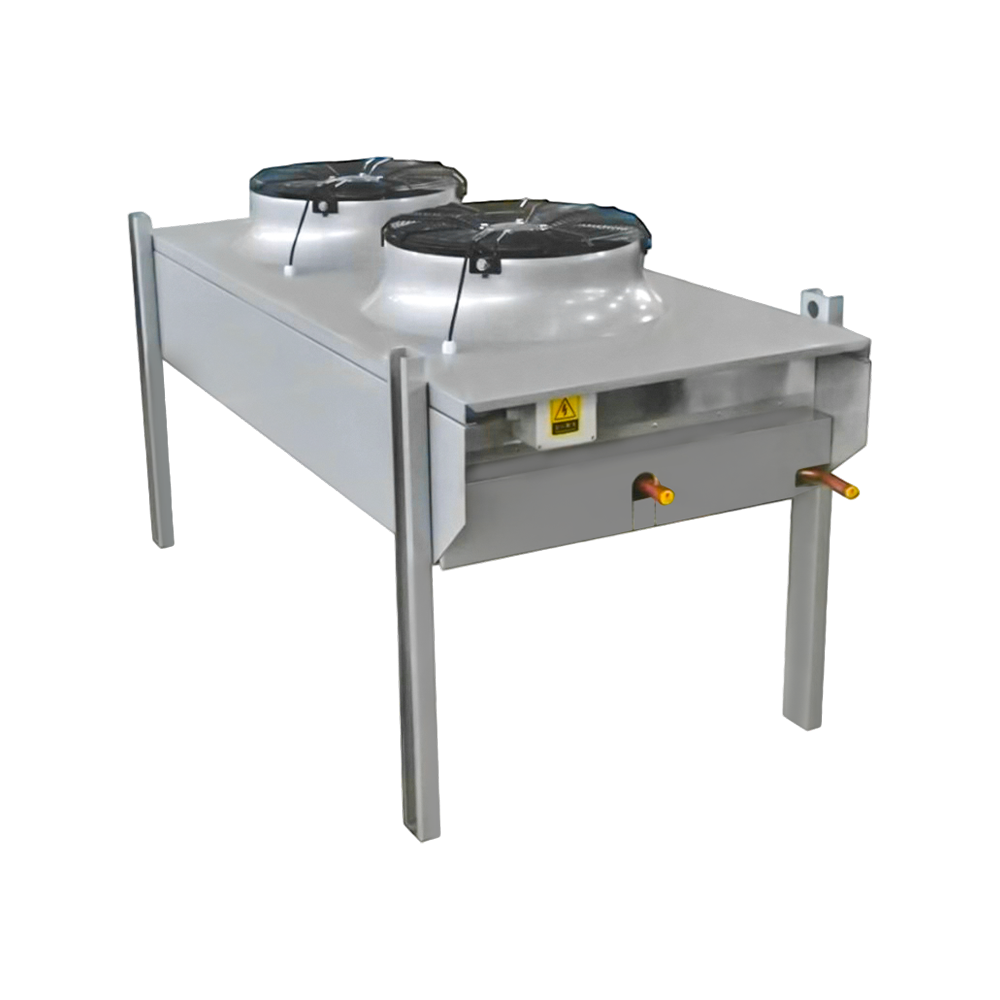
- Air-cooled condensers use a fan to push ambient air across finned coils; this is the standard design for residential and light commercial systems.
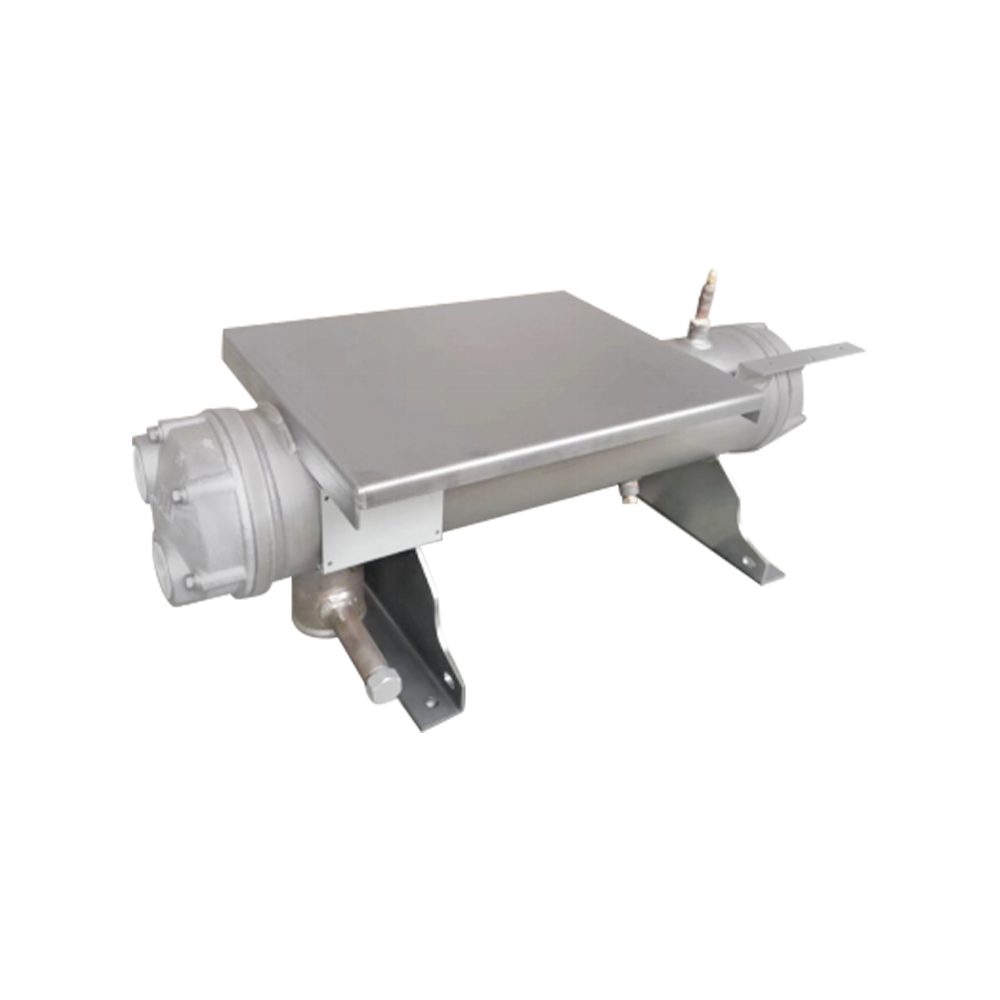
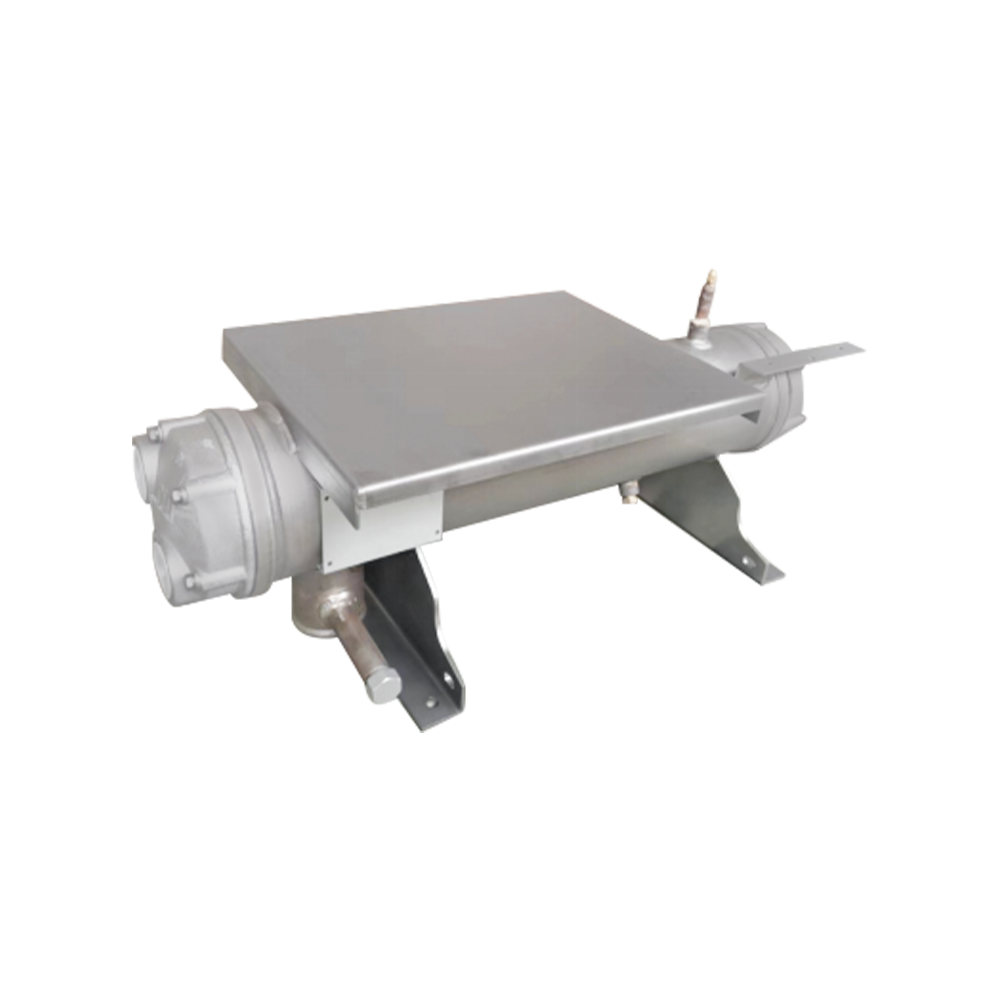
- Water-cooled condensers circulate water through a shell-and-tube or plate design and are common in larger commercial chillers where water resources are available.
- Evaporative condensers combine air and a water spray to improve heat rejection efficiency, often used in industrial refrigeration plants.
How They Combine Into a Condensing Unit
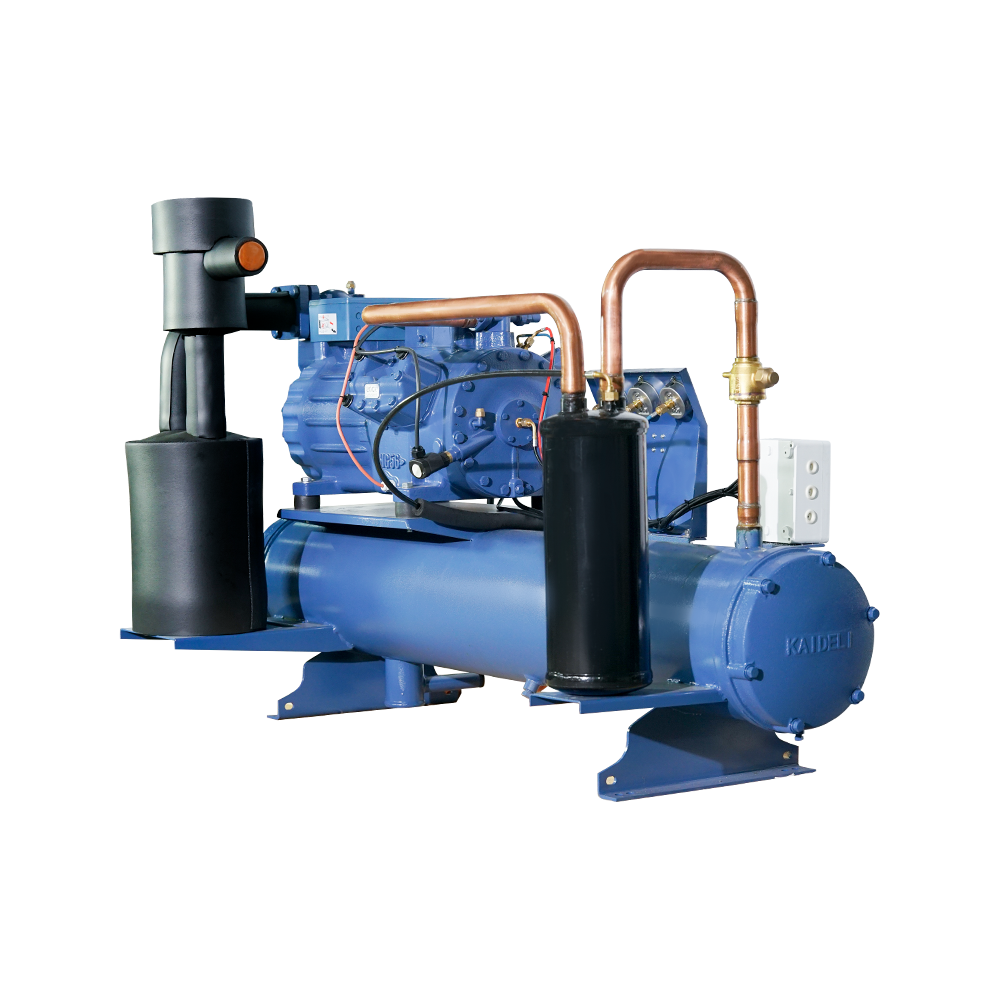
In most packaged and split air conditioning systems, the compressor and condenser are housed together in the same outdoor enclosure, along with a condenser fan motor. This assembly is commonly called a Condensing Unit. The term refers specifically to the outdoor section that handles compression and heat rejection, as distinct from the indoor evaporator section that handles heat absorption.
A typical Condensing Unit includes the compressor, the condenser coil, the condenser fan and motor, refrigerant lines, a service valve, and sometimes a receiver to store excess liquid refrigerant. When technicians or buyers refer to replacing a condensing unit, they generally mean replacing this entire outdoor assembly rather than a single internal part, since matching a new compressor to an old condenser coil, or vice versa, can create capacity mismatches and efficiency losses.
Recognizing the Difference Through Failure Symptoms
Because both parts sit in the same outdoor cabinet, many users assume any outdoor unit problem is automatically a compressor issue. In practice, condenser problems are more common and considerably cheaper to fix, so a careful diagnosis can save substantial money.
Signs Pointing to a Condenser Problem
A failing condenser coil or a malfunctioning condenser fan often shows up as reduced cooling capacity combined with the compressor running constantly while trying to compensate. Bent or dirty condenser fins, a seized fan motor, or a blocked airflow path will cause discharge pressure to climb abnormally high. Even a thin layer of dirt and debris on a condenser coil can reduce heat transfer efficiency by an estimated 20 to 30 percent, forcing the rest of the system to work harder and consume more electricity for the same cooling output, according to commercial HVAC service literature published by Carrier Corporation.
Signs Pointing to a Compressor Problem
A failing compressor more often presents as the outdoor unit not starting at all, a loud humming sound with no rotation, tripped breakers, or a hard, metallic knocking noise during operation. Low suction pressure paired with low discharge pressure, even with clean coils and good airflow, usually points to internal compressor wear such as worn valves or a damaged scroll set rather than a condenser-side restriction.
| Symptom | Likely Condenser Issue | Likely Compressor Issue |
|---|---|---|
| Unit runs but cools poorly | Common, especially with dirty coils | Possible if compressor is weak |
| High discharge pressure | Very common | Less common |
| Loud knocking noise | Rare | Common |
| Unit will not start | Rare unless fan motor seized | Common |
| Low suction and discharge pressure together | Rare | Common |
| Tripped breaker on startup | Uncommon | Common, often locked rotor current |
Replacement Cost and Lifespan Considerations
Compressors generally cost significantly more to replace than condenser components because they are precision-engineered mechanical assemblies that must match the system's refrigerant type, voltage, and tonnage exactly. Condenser coils, by comparison, are largely passive heat exchangers, and the fan motors that serve them are relatively standardized and easier to source.
Industry service data commonly cited by HVAC trade associations suggests that a compressor typically accounts for 40 to 60 percent of total system value, while condenser coil and fan replacement parts usually represent a much smaller fraction of overall system cost. In terms of expected service life, well-maintained compressors in residential systems often run 10 to 15 years, while condenser coils, if kept clean and undamaged, can last just as long or even longer since they have no internal moving parts subject to mechanical wear.
Labor cost also differs between the two repairs. Replacing a compressor typically requires recovering refrigerant, removing the failed unit, brazing in the new compressor, evacuating the system, and recharging it, a process that can take several hours of skilled labor. Replacing a condenser fan motor or even a full condenser coil is usually a shorter job, particularly when the fan motor alone is at fault.
Energy Efficiency Impact
Both components influence overall system efficiency, but in different ways. A compressor with worn internal components loses volumetric efficiency, meaning it has to run longer to deliver the same cooling capacity, which directly raises energy consumption. A dirty or undersized condenser raises head pressure, which forces the compressor to work harder against that pressure, again increasing energy use even if the compressor itself is mechanically sound.
This relationship explains why HVAC technicians frequently start diagnostic visits by cleaning the condenser coil before assuming a compressor fault, since restoring proper heat rejection at the condenser can resolve what initially looks like a compressor performance problem. Seasonal energy efficiency ratings published by equipment manufacturers typically assume clean coil conditions, so neglected condensers are a common reason field performance falls short of rated efficiency figures.
Maintenance Practices That Protect Both Components
Most premature failures in either part trace back to neglected maintenance rather than manufacturing defects. The following practices extend service life for both the compressor and the condenser.
- Clean the condenser coil and fins at least once or twice per cooling season to maintain proper heat rejection.
- Keep at least 24 inches of clearance around outdoor Condensing Units to ensure adequate airflow.
- Check refrigerant charge periodically, since both undercharging and overcharging stress the compressor.
- Inspect electrical connections and capacitors, since voltage irregularities are a leading cause of compressor burnout.
- Verify the condenser fan motor bearings are not worn, since a slowing fan raises discharge pressure and overworks the compressor.
- Straighten bent condenser fins carefully with a fin comb, since crushed fins restrict airflow even on an otherwise clean coil.
- Schedule professional inspection of refrigerant pressures annually to catch gradual compressor wear before it becomes a full failure.
Choosing Replacement Parts: What Buyers Should Confirm
When sourcing a replacement compressor or condenser, matching specifications precisely is essential for reliable operation. Buyers should confirm the refrigerant type the part is rated for, the voltage and phase of the electrical supply, the tonnage or BTU capacity rating, and the physical mounting dimensions of the outdoor cabinet. A compressor rated for the wrong refrigerant can suffer immediate lubrication and pressure problems, while a condenser coil sized incorrectly for the system's capacity will create either insufficient heat rejection or unnecessarily high material cost.
For commercial buyers sourcing complete Condensing Units rather than individual parts, confirming that the compressor and condenser coil are factory-matched by the original manufacturer reduces the risk of capacity mismatches that can shorten the lifespan of both components.
Frequently Asked Questions
Is the condenser part of the compressor?
No. The condenser and compressor are separate components that happen to share the same outdoor housing in most split and packaged systems. They are connected by refrigerant tubing but perform entirely different functions within the Condensing Unit.
Can a condenser fail without affecting the compressor?
Yes, at least initially. A dirty coil or a stalled fan motor can cause reduced cooling and high discharge pressure on its own. However, if a condenser problem is left unresolved, the resulting high pressure and heat buildup can eventually damage the compressor as well.
Why do people sometimes call the whole outdoor unit a condenser?
This is a common shorthand in the industry. Because the condenser coil is the most visible component of the outdoor cabinet, many technicians and homeowners refer to the entire outdoor assembly as the condenser, even though it technically also contains the compressor and is more precisely called a Condensing Unit.
Which part is more expensive to replace, the compressor or the condenser coil?
The compressor is almost always more expensive due to its precision manufacturing, refrigerant-specific design, and higher material and labor cost. Condenser coil and fan motor replacements are generally less costly and quicker to complete.
Does a bad condenser fan always mean the condenser coil is also bad?
No. The fan motor and the coil are independent parts. A seized or slow fan motor can be replaced on its own without needing to replace the coil, as long as the coil itself has not been physically damaged or corroded.
How can I tell if my system needs a new compressor or a new condensing unit entirely?
If only the compressor has failed and the condenser coil, fan, and refrigerant lines remain in good condition, a compressor-only replacement is often possible. However, many technicians recommend replacing the full Condensing Unit when the system is older, since matching a new compressor's capacity to an aging condenser coil can lead to inefficiency and reduced reliability.
Does a bigger condenser always mean better performance?
Not necessarily. A condenser must be matched to the compressor's capacity and the system's refrigerant charge. An oversized condenser relative to the compressor can cause the system to run at lower than optimal head pressure, while an undersized condenser raises head pressure and reduces both efficiency and compressor lifespan.
Can dirty air filters affect the compressor or only the condenser?
Dirty indoor air filters primarily restrict airflow across the evaporator coil, but the resulting reduced heat absorption can lower suction pressure and eventually affect compressor operation as well, since the compressor depends on adequate suction gas flow for proper lubrication and cooling.