

 English
 中文简体
中文简体Content
- 1 How Much Copper Is in an Air Conditioning Unit?
- 2 Where Copper Is Located Inside an AC System
- 3 Copper Content by AC System Type and Size
- 4 Scrap Value of Copper in an AC Unit: What to Expect
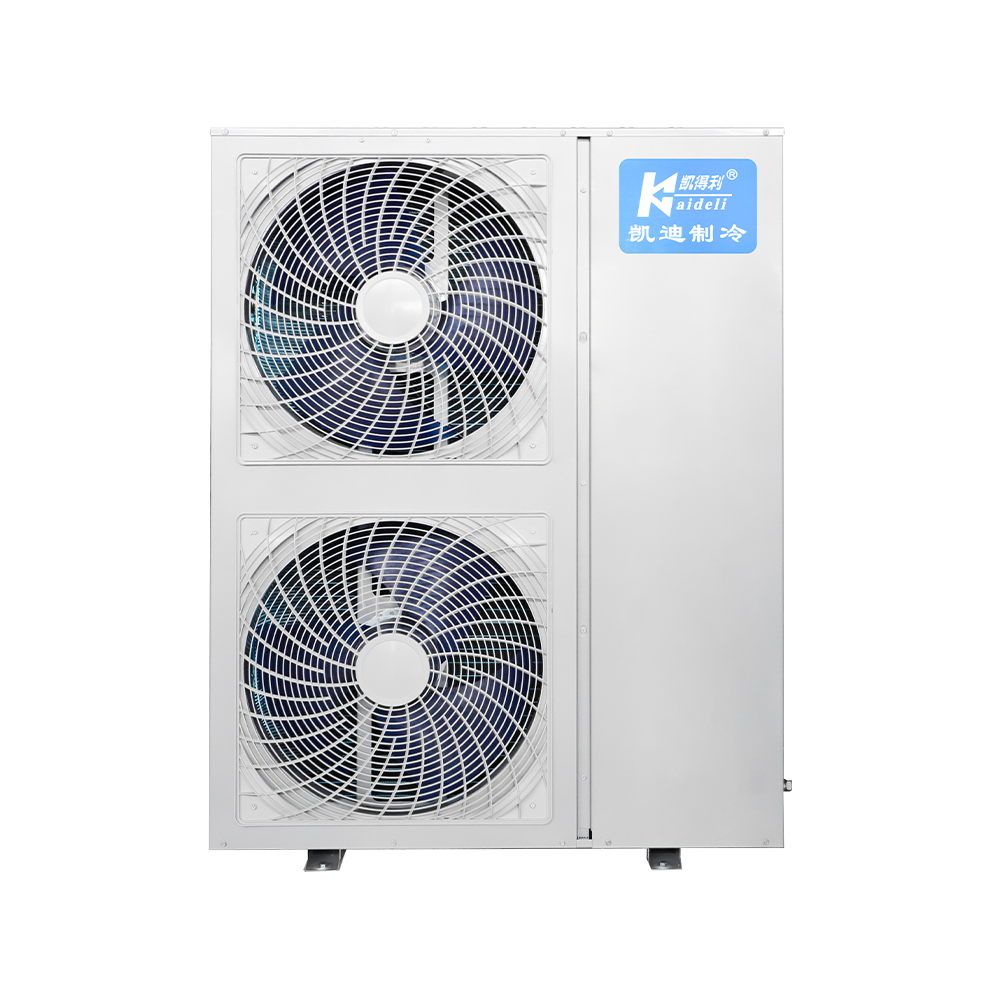
- 5 The Condensing Unit: A Closer Look at Its Copper-Rich Design
- 6 Copper vs. Aluminum Coils: Is Your AC Unit All-Copper?
- 7 How to Maximize Copper Recovery When Scrapping an AC Unit
- 8 Why Copper Theft from AC Units Is So Common
- 9 Environmental and Regulatory Considerations When Recycling AC Copper
- 10 Factors That Affect How Much Copper Your Specific AC Unit Contains
How Much Copper Is in an Air Conditioning Unit?
A typical residential air conditioning unit contains between 5 and 25 pounds of copper, depending on the system type, size, and age. A standard central AC system — including both the indoor air handler and the outdoor condensing unit — usually falls in the range of 10 to 20 pounds total. The condensing unit alone, which is the large metal box that sits outside your home, typically holds 5 to 15 pounds of copper in its coils, refrigerant lines, and motor windings. Commercial and industrial units can contain significantly more — sometimes exceeding 50 pounds per unit.
Copper is not a minor component in air conditioning systems. It is fundamental to how the equipment works. The metal's excellent thermal conductivity, flexibility, and resistance to corrosion make it the preferred material for refrigerant tubing, heat exchanger coils, and electrical windings inside compressors and fan motors. Without copper, an air conditioner cannot transfer heat efficiently. This is why, even as manufacturers look for cost-cutting alternatives, copper remains dominant in most quality HVAC systems sold today.
If you are trying to estimate scrap value, plan a recycling project, or simply understand where your equipment's material costs come from, knowing the copper content by component gives you a much clearer picture than a single average number. The breakdown below covers exactly that.
Where Copper Is Located Inside an AC System
Copper appears in multiple places throughout a complete air conditioning system. Each location serves a different function, and the quantity of copper varies accordingly.
Condenser Coil in the Outdoor Condensing Unit
The outdoor condensing unit is the single richest source of copper in a residential AC system. The condenser coil — a coiled tube running through aluminum fins — is made almost entirely of copper tubing. In a standard 3-ton residential condensing unit, the condenser coil alone can contain 4 to 8 pounds of copper. Larger 4-ton and 5-ton units often push that figure to 10 pounds or more just in the coil alone.
The copper tubing in condenser coils is typically 3/8-inch to 1/2-inch diameter, running in tight serpentine patterns to maximize surface area. When you pull apart a scrap condensing unit, the coil is the component that scrap dealers pay the most attention to. The aluminum fins surrounding the copper tubing create what is commonly called "ACR coil" or "hair wire" at scrap yards, which is valued differently than clean copper because of the attached aluminum.
Compressor Windings
The compressor is the heart of a condensing unit, and it contains a significant amount of copper in the form of motor windings. Hermetic compressors — the sealed type used in virtually all residential and light commercial AC units — house an electric motor whose stator windings are wound with copper wire. A typical residential compressor contains 2 to 6 pounds of copper wire in its windings, depending on the compressor's tonnage and efficiency rating.
Extracting copper from a compressor requires cutting it open, which is labor-intensive. At scrap yards, whole compressors are often sold as "sealed units" at a lower per-pound rate than clean copper because of the effort involved in extraction. However, if you have the tools and time to cut open and strip the windings, you can recover the copper wire and sell it at the bare bright or #1 copper rate, which is considerably higher.
Refrigerant Lines and Suction Lines
Connecting the outdoor condensing unit to the indoor evaporator coil are refrigerant line sets — a smaller liquid line and a larger insulated suction line, both made of copper tubing. In a typical residential installation, these lines run 15 to 50 feet depending on the home's layout, and they contribute another 2 to 5 pounds of copper to the total. Longer runs in multi-story homes or commercial applications add more.
These lines are often the easiest copper to recover when scrapping an old system because they are accessible, uncontaminated, and relatively clean. A line set in good condition can often be resold rather than scrapped, as HVAC technicians can reuse copper line sets when replacing units.
Evaporator Coil in the Indoor Air Handler
Inside the home, the evaporator coil — usually housed in an air handler or above the furnace — is another major copper source. Like the condenser coil, the evaporator coil uses copper tubing threaded through aluminum fins. A residential evaporator coil typically contains 3 to 7 pounds of copper. The exact amount depends on the coil size (measured in tons), the coil configuration (A-coil, N-coil, or slab), and the brand.
Some budget-oriented manufacturers have shifted to aluminum evaporator coils in the past decade to reduce costs. If your system was manufactured after roughly 2010 by a budget brand, there is a chance the evaporator coil is all-aluminum. Premium brands and most commercial equipment continue to use copper.
Fan Motors and Electrical Components
The condenser fan motor in the outdoor condensing unit also contains copper windings, typically 0.5 to 1.5 pounds of copper wire. The indoor blower motor in the air handler adds a similar amount. Capacitors, contactors, and wiring harnesses contribute smaller quantities of copper — usually less than half a pound combined for a residential system — but they add up when you are stripping an entire unit.
Copper Content by AC System Type and Size
The total copper content in an air conditioning unit varies considerably by system type. Below is a reference table based on common residential and light commercial configurations.
| System Type | Tonnage / Size | Approx. Total Copper (lbs) | Condensing Unit Share (lbs) |
|---|---|---|---|
| Window AC unit | 0.5 – 1.5 ton | 1 – 5 | N/A (self-contained) |
| Mini-split (single zone) | 1 – 2 ton | 4 – 9 | 3 – 6 |
| Central split system (residential) | 2 – 3 ton | 10 – 16 | 6 – 10 |
| Central split system (large residential) | 4 – 5 ton | 16 – 25 | 10 – 15 |
| Packaged rooftop unit (light commercial) | 5 – 10 ton | 25 – 50 | N/A (self-contained) |
| Commercial chiller / large RTU | 20+ ton | 50 – 200+ | Varies |
These figures are estimates based on field data from HVAC technicians and scrap metal recyclers. The actual copper weight in any specific unit depends on the manufacturer's design choices, the model year, and whether the coils are copper-aluminum or all-copper construction. Older units manufactured before 2005 generally contain more copper than modern equivalents because aluminum was less commonly used as a substitute back then.
Scrap Value of Copper in an AC Unit: What to Expect
Copper scrap prices fluctuate based on market conditions, but as of recent years, clean #1 copper wire has traded in the range of $3.00 to $4.50 per pound at most scrap yards in the United States. The copper-aluminum coils from AC units typically fetch less — around $0.50 to $1.00 per pound for the coil assembly as-is, because the aluminum fins lower the overall value. However, if you take the time to separate the copper tubing from the aluminum fins (a process called "cleaning" the coil), you can sell it as #2 copper at a significantly better rate.
For a complete 3-ton central AC system with roughly 12 to 14 pounds of recoverable copper spread across the condensing unit and indoor components, the scrap value at mixed or "as-is" rates might range from $20 to $50 for the whole unit. If you invest time in stripping and separating components, you could realistically recover $60 to $100 or more from the same system by selling clean copper tubing, stripped compressor wire, and clean motor windings separately.
Copper Grades and How Scrap Yards Classify AC Components
Not all copper from an AC unit sells at the same price. Scrap yards use a grading system that significantly affects what you get paid:
- Bare Bright Copper: The highest grade. Uncoated, unalloyed copper wire or tubing, stripped of insulation. Refrigerant tubing that has been cleaned falls into this category.
- #1 Copper: Clean copper tubing with some oxidation or solder joints allowed. Most refrigerant line sets and condenser coil tubing (separated from aluminum) qualifies.
- #2 Copper: Copper with paint, solder, coatings, or minor contamination. Some coil tubing and compressor connections fall here.
- Copper-Aluminum Radiator / ACR Coil: The combined coil assembly with aluminum fins attached. Pays a fraction of clean copper prices but requires no separation work.
- Sealed Compressors: Whole compressors sold by weight. The copper inside is significant, but the sealed steel shell means lower per-pound rates unless opened.
- Insulated Copper Wire: Wiring harnesses with plastic insulation. Valued by the insulation type and copper percentage inside.
The decision of whether to strip and separate components before scrapping comes down to time versus return. For someone scrapping one residential condensing unit, the extra work may not be worth it. For a contractor or dealer handling dozens of units per month, separating components can add hundreds of dollars monthly to scrap revenue.
The Condensing Unit: A Closer Look at Its Copper-Rich Design
The outdoor condensing unit deserves special attention because it contains the majority of the copper in a split AC system. Understanding its construction helps you estimate copper content more accurately and handle the unit properly during removal or recycling.
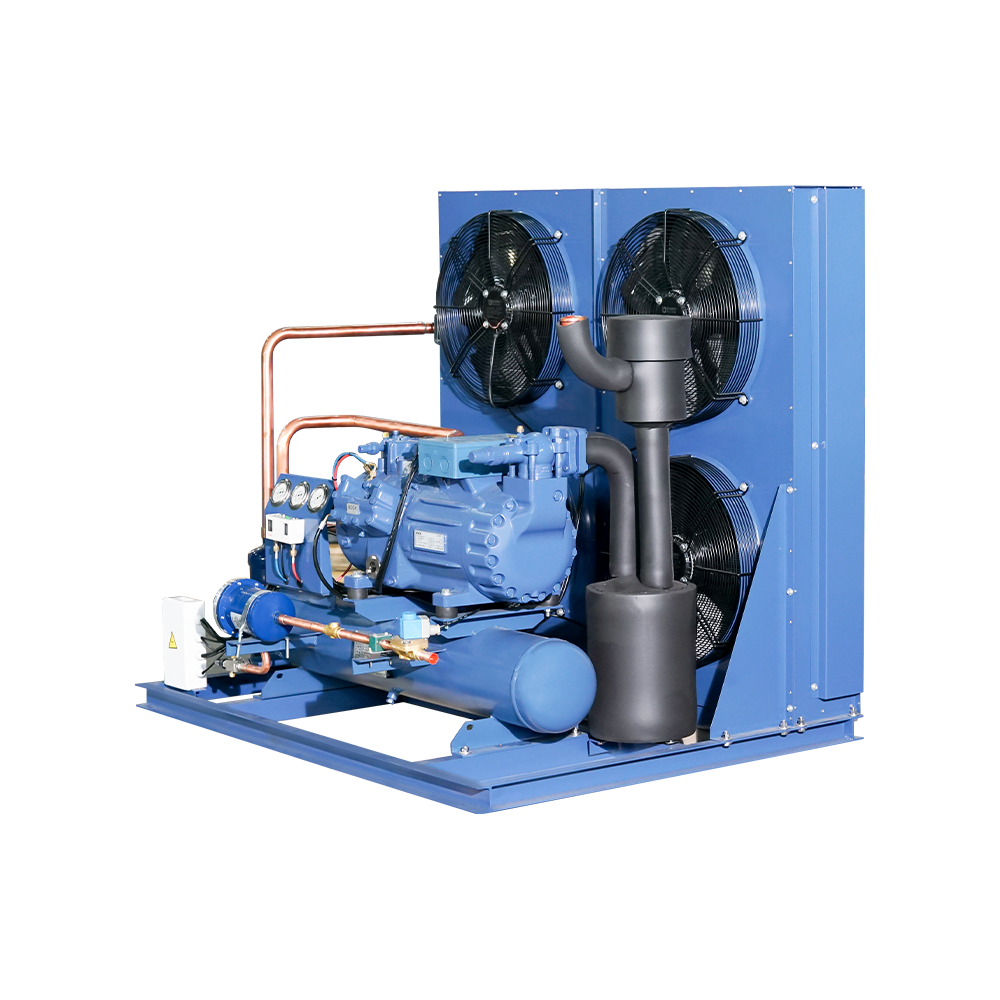
A standard residential condensing unit consists of:
- A steel or aluminum cabinet housing all internal components
- A hermetically sealed scroll or piston compressor
- A condenser coil (copper tubing threaded through aluminum fins) wrapping around the interior perimeter
- A propeller-style condenser fan and fan motor mounted at the top
- A control box with a contactor, start capacitor, run capacitor, and low-voltage wiring
- Refrigerant service ports and a reversing valve (in heat pump versions)
The condenser coil running around the perimeter of the condensing unit cabinet is the most visually identifiable copper component. On a 3-ton condensing unit, this coil typically uses 40 to 80 linear feet of copper tubing, depending on how many rows deep the coil is and the unit's overall height. Multi-row, high-efficiency condensing units use more copper because the additional coil rows improve heat transfer efficiency, which is why high-SEER units often contain more copper than their lower-efficiency counterparts from the same era.
One important note for anyone handling a used condensing unit: the refrigerant must be recovered by a certified HVAC technician before the unit is scrapped or disassembled. Federal law in the United States (under EPA Section 608) prohibits venting refrigerants into the atmosphere. Violating this can result in fines. Always confirm the refrigerant has been legally recovered before cutting or crushing any AC component.
Heat Pump Condensing Units vs. Standard AC Condensing Units
Heat pump condensing units look nearly identical to standard AC condensing units from the outside, but they generally contain slightly more copper due to the addition of a reversing valve and additional refrigerant piping. The reversing valve itself is a copper-brazed assembly. A heat pump condensing unit in the 3-ton range might contain 1 to 2 pounds more copper than an equivalent cooling-only condensing unit.
High-efficiency variable-speed heat pump condensing units — particularly inverter-driven models — sometimes contain more copper in their compressor windings because variable-speed motors require more precise winding designs. Some premium inverter compressors use up to 8 pounds of copper in the motor windings alone.
Copper vs. Aluminum Coils: Is Your AC Unit All-Copper?
Over the past 15 years, a growing number of HVAC manufacturers have replaced copper evaporator and condenser coils with all-aluminum coils in an effort to lower production costs. This shift directly impacts the copper content — and scrap value — of newer units.
Brands that have notably moved toward aluminum coils in recent years include some product lines from Goodman, Ameristar, and various private-label brands sold through big-box retailers. Meanwhile, premium brands like Carrier, Trane, Lennox, and Daikin have generally maintained copper tubing in at least some of their coil assemblies, though specifications vary by model line.
An all-aluminum coil condensing unit might contain as little as 3 to 5 pounds of copper total — mostly from the compressor windings, fan motor, and wiring — compared to 8 to 12 pounds in a copper-coil equivalent. If you are evaluating an AC unit for scrap and want to know whether the coils are copper or aluminum, the simplest test is to look at the tubing color. Copper tubing has a distinctly reddish-brown tone; aluminum is silver-gray. You can also scratch the tubing with a knife: copper is softer and leaves a bright reddish scratch mark.
Spine Fin and Microchannel Coils
Two alternative coil technologies have further reduced copper use in some modern condensing units. Lennox's Spine Fin coil uses aluminum tubing (not copper) with aluminum spine fins bonded directly onto the tube — these condensing units have essentially no copper in the coil. Microchannel aluminum coils, increasingly common in condensing units from multiple manufacturers, similarly replace copper with flat aluminum multi-port extrusions. If your condensing unit has a flat, slab-like coil with a distinctive ribbed appearance on its face, it likely uses microchannel aluminum technology and will have minimal copper content compared to traditional round-tube plate-fin copper coils.
How to Maximize Copper Recovery When Scrapping an AC Unit
If your goal is to get the most money from an old AC system, approaching the disassembly methodically makes a real difference. Here is a practical sequence that experienced scrapers use:
- Confirm refrigerant removal: Before cutting anything, verify that a certified technician has recovered the refrigerant. Do not proceed until this step is done.
- Remove the line set: Disconnect and coil up the copper refrigerant lines running between the outdoor condensing unit and the indoor unit. These are typically clean #1 copper and easy to sell at a good rate.
- Strip the condensing unit coil: Cut the coil free from the condensing unit cabinet. Decide whether to sell it as-is (copper-aluminum mixed rate) or strip the copper tubing from the aluminum fins for #1 copper pricing. Stripping is time-consuming but pays more per pound.
- Pull the compressor: Remove the compressor from the condensing unit. Sell it whole as a "sealed compressor" or cut it open with a grinder or reciprocating saw to extract the copper windings and sell them as #1 or bare bright wire.
- Remove fan motors: Pull the condenser fan motor and blower motor. Strip the wiring leads and sell the motors as electric motors (a separate scrap category) or open them to recover copper windings.
- Collect wiring and components: Strip the wiring harness, contactor connections, and any other copper wire inside the control box. Separate insulated wire by insulation type if possible.
- Sell the steel cabinet separately: The condensing unit cabinet is steel, which fetches a much lower price per pound than copper. Sell it as scrap steel rather than mixing it with copper components.
Following this process on a complete 3-ton residential system (condensing unit plus air handler) can realistically yield 10 to 15 pounds of #1 or bare bright copper, 2 to 4 pounds of compressor windings, 3 to 5 pounds of copper-aluminum coil material, and additional pounds of insulated wire. At current market rates, the total copper value across all grades could reach $60 to $120 depending on how thoroughly the components are separated.
Why Copper Theft from AC Units Is So Common
The copper content in air conditioning equipment, particularly in the outdoor condensing unit, is a well-known target for metal thieves. According to industry reports and law enforcement data, AC copper theft costs property owners and businesses hundreds of millions of dollars annually in the United States. The damage done by theft almost always far exceeds the copper value itself — a $150 copper theft from a condensing unit can result in $1,500 to $5,000 in repair and replacement costs once refrigerant recharging, coil replacement, and labor are factored in.
Thieves typically target the refrigerant line sets and occasionally attempt to strip the condenser coil directly from the condensing unit while it is still installed. This kind of theft is particularly damaging because it often destroys the condensing unit beyond economical repair.
Common protective measures include:
- Metal cages or lockable enclosures around condensing units
- Motion-activated lighting near outdoor units
- Alarm systems wired to the condensing unit
- Security cameras covering the equipment area
- DNA or UV-trace marking products applied to copper components to assist in recovery and prosecution
The economic reality driving AC copper theft is straightforward: a condensing unit that takes 15 minutes to strip yields $30 to $80 in scrap copper. The asymmetry between theft gain and repair cost is what makes this a persistent problem for building owners, facility managers, and homeowners alike.
Environmental and Regulatory Considerations When Recycling AC Copper
Recycling copper from an old air conditioning unit is genuinely beneficial from an environmental standpoint. Copper recycling uses roughly 85% less energy than mining and smelting virgin copper ore. Given that global copper demand continues to grow — driven by electric vehicles, renewable energy systems, and electronics — recycling AC units represents a meaningful contribution to the copper supply chain.
However, the process must be handled correctly. The main regulatory requirement is refrigerant recovery. All AC refrigerants — whether older R-22, current R-410A, or newer R-32 and R-454B blends — must be captured by a certified technician using EPA-approved recovery equipment. This applies to any AC unit regardless of age, size, or condition. Violating this requirement can result in fines of up to $44,539 per day per violation under current EPA enforcement guidelines.
Beyond refrigerant, compressor oil is another concern. Sealed compressors contain refrigerant oil that can be an environmental hazard if spilled. When cutting open compressors for copper recovery, drain the oil into a sealed container and dispose of it through a proper waste oil recycling program rather than pouring it on the ground or into drains.
Many municipalities and utility companies offer AC recycling programs that handle all of these regulatory steps on your behalf. Some even offer rebates of $25 to $75 per unit for turning in old inefficient equipment, which can be stacked with whatever scrap value you recover from the copper.
Factors That Affect How Much Copper Your Specific AC Unit Contains
Beyond the size and type of the unit, several additional variables influence the actual copper weight you will find in any specific air conditioner:
Manufacture Year
Units manufactured before 2000 tend to use more copper overall, both because aluminum was less commonly used as a substitute and because older design standards were less material-efficient. A 1990s-era 3-ton condensing unit might contain 2 to 4 more pounds of copper than a 2020-era equivalent of the same tonnage. This is one reason vintage AC units can be more valuable to scrap metal dealers than their age might suggest.
SEER Rating and Efficiency Level
Higher SEER (Seasonal Energy Efficiency Ratio) units generally use larger coil surface areas to achieve better heat transfer at lower temperature differentials. Larger coils mean more copper tubing. A 20 SEER condensing unit may contain 30 to 50% more copper in its condenser coil than a 14 SEER unit of the same tonnage. This is an important point for those evaluating high-efficiency units for scrap — the premium paid for efficiency during the unit's operational life also translates to higher scrap value at end of life.
Brand and Product Tier
Premium brands targeting the commercial and high-end residential market consistently use more copper than budget brands. Comparing a Carrier Infinity condensing unit to a builder-grade Goodman unit of the same tonnage, the Carrier will typically contain more copper due to thicker-walled tubing, more coil rows, and larger compressor motors. This is not a knock on budget brands — it reflects the engineering trade-offs made to reach different price points.
Geographic Climate and Application
Units designed for hot climates (like those rated for high ambient temperature operation) may have larger condenser coils to handle greater heat rejection loads, meaning more copper. Similarly, units installed in commercial applications — where runtime hours are much higher than in residential settings — are often spec'd with heavier-duty components, including larger copper coil assemblies, to handle the workload.