

 English
 中文简体
中文简体Content
- 1 HVAC Compressor vs Condenser: The Short Answer
- 2 What the Compressor Actually Does in the Refrigeration Cycle
- 3 What the Condenser Does and Why It Matters
- 4 Head-to-Head: Compressor vs Condenser Comparison
- 5 Evaporative Condenser: How It Works and Where It Excels
- 6 Where Evaporative Condensers Fit Versus Standard HVAC Condensers
- 7 How the Compressor and Condenser Work Together in the Full Cycle
- 8 Diagnosing Compressor vs Condenser Problems in the Field
- 9 Efficiency Ratings and How Compressor and Condenser Design Affect Them
- 10 Practical Maintenance Recommendations for Both Components
HVAC Compressor vs Condenser: The Short Answer
The compressor and the condenser are two separate components in an HVAC refrigeration cycle, and they do completely different jobs. The compressor pressurizes the refrigerant gas, raising its temperature and energy level. The condenser then releases that heat to the outside environment, turning the refrigerant back into a liquid. Without the compressor, no pressure differential exists to drive the cycle. Without the condenser, the heat absorbed from indoors has nowhere to go. Both are essential, but they operate at different stages and fail in different ways.
People often confuse the two because they are physically housed in the same outdoor unit on most residential and light commercial systems. The outdoor cabinet is commonly called the "condenser unit," but it actually contains both components. Understanding what each one does independently helps you diagnose problems faster, communicate more clearly with technicians, and make smarter purchasing decisions.
There is also a third player worth knowing: the evaporative condenser, which combines condensing and cooling functions in a single piece of equipment. It is widely used in industrial refrigeration, large commercial HVAC, and food processing plants. We will cover that in detail below.
What the Compressor Actually Does in the Refrigeration Cycle
The compressor is the mechanical heart of any vapor-compression refrigeration system. It receives low-pressure, low-temperature refrigerant vapor from the evaporator and compresses it into a high-pressure, high-temperature vapor. This compression process requires energy input — almost always electrical — and that energy investment is what makes the entire heat-transfer cycle possible.
Typical discharge pressures for R-410A systems — one of the most common modern refrigerants — run between 235 and 285 psi on the high side, compared to suction pressures of roughly 100 to 130 psi on the low side. The difference in pressure is what drives refrigerant flow through the entire system.
Types of Compressors Used in HVAC
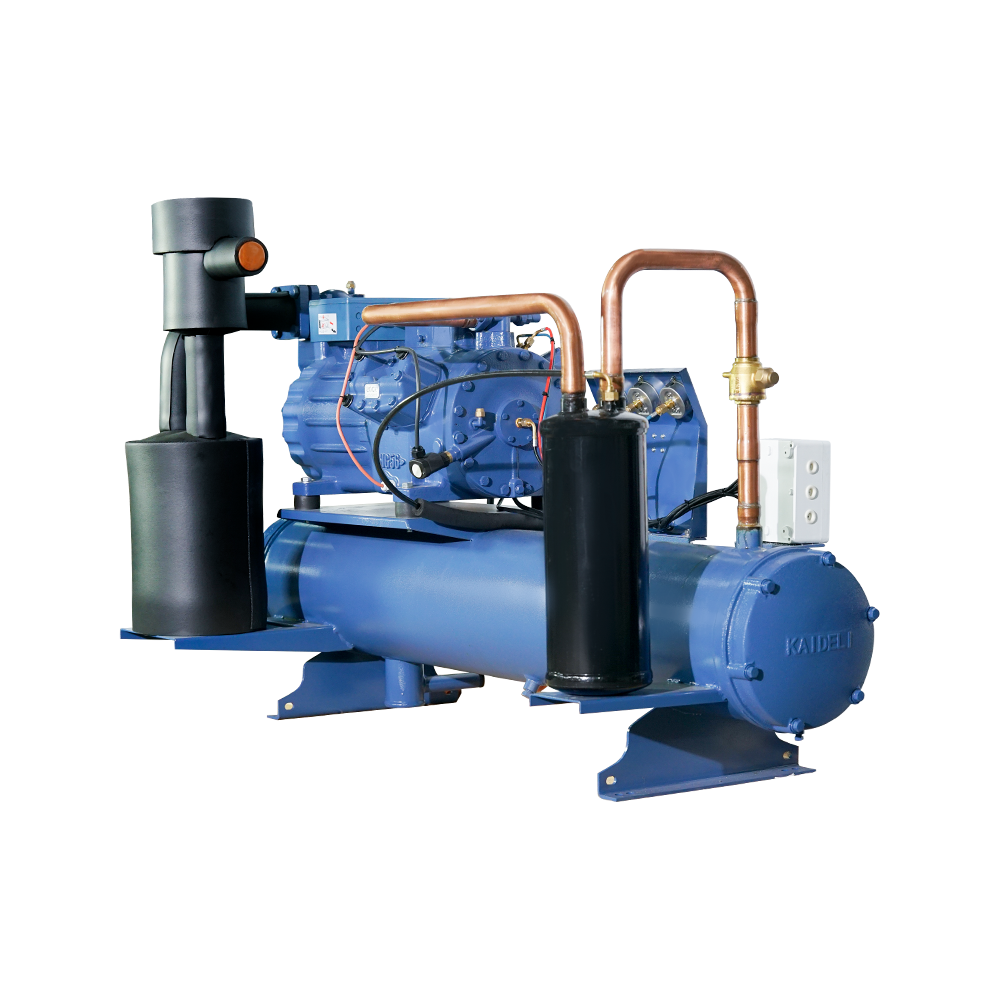
- Scroll compressors: The dominant choice in residential and light commercial equipment. They use two interleaved spiral scrolls — one fixed, one orbiting — to compress refrigerant continuously and quietly. Efficiency ratings are generally higher than reciprocating types.
- Reciprocating (piston) compressors: An older design that uses pistons driven by a crankshaft. Still found in older residential units and some smaller commercial equipment. More prone to valve wear over time.
- Rotary compressors: Common in window air conditioners and smaller mini-split systems. Compact and simple, but less efficient at larger capacities.
- Screw compressors: Used in large commercial chillers and industrial systems. Two helical rotors mesh together to compress gas. Capacities can range from 20 tons to several hundred tons of refrigeration.
- Centrifugal compressors: Found in very large chiller plants — often above 200 tons. They use high-speed impellers to accelerate refrigerant vapor and convert velocity into pressure. Extremely efficient at full load but less so at part load unless variable-speed drives are used.
- Variable-speed (inverter-driven) compressors: Increasingly standard in high-efficiency mini-splits and premium central systems. They modulate speed continuously rather than cycling on and off, resulting in steadier temperatures and significantly lower energy consumption — sometimes 20 to 40% better efficiency compared to single-speed equivalents.
The compressor is typically the most expensive single component to replace. A residential scroll compressor replacement often costs between $800 and $2,500 installed, depending on the brand, tonnage, and local labor rates. A failed compressor is frequently the reason a homeowner chooses to replace the entire outdoor unit rather than repair it, particularly if the system is more than ten years old.
Common compressor failure causes include refrigerant overcharge or undercharge, liquid slugging (liquid refrigerant entering the compressor), loss of lubrication, electrical winding failures, and prolonged operation at extreme ambient temperatures. Compressors are designed to handle vapor, not liquid, so proper refrigerant charge and good metering device function are critical to compressor longevity.
What the Condenser Does and Why It Matters
After the compressor raises the refrigerant to high pressure and temperature, that hot gas travels to the condenser. The condenser's job is to remove enough heat from the refrigerant so that it changes state from a vapor back to a liquid. This process is called condensation, which gives the component its name. The heat removed during condensation is rejected to the surrounding environment — outdoors in a typical air conditioning system, or into a cooling medium such as water or air in other configurations.
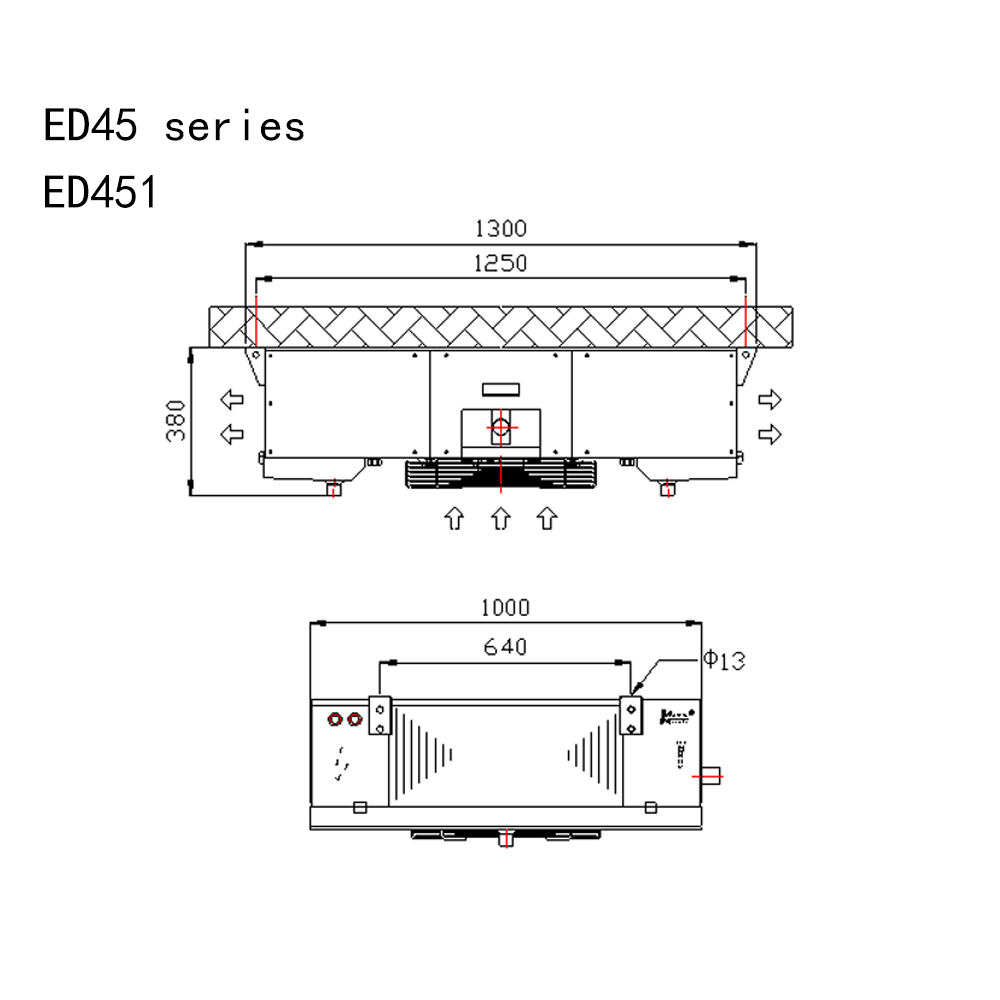
In a standard air-cooled condenser, ambient air is blown across copper or aluminum coils by one or more fans. The refrigerant inside the coil surrenders its heat to the moving air, cools below its condensing temperature, and exits as a high-pressure liquid heading toward the expansion device. The temperature difference between the refrigerant and the ambient air — called the condensing temperature lift — directly affects system efficiency. On a 95°F day, a typical residential system might condense refrigerant at around 115 to 125°F. Raise the ambient to 105°F and the condensing temperature climbs further, compressor work increases, and efficiency drops noticeably.
Types of Condensers in HVAC Systems
- Air-cooled condenser: The standard for residential central air conditioning and most small commercial rooftop units. A fan moves outdoor air across a finned coil. Simple, low maintenance, no water supply required.
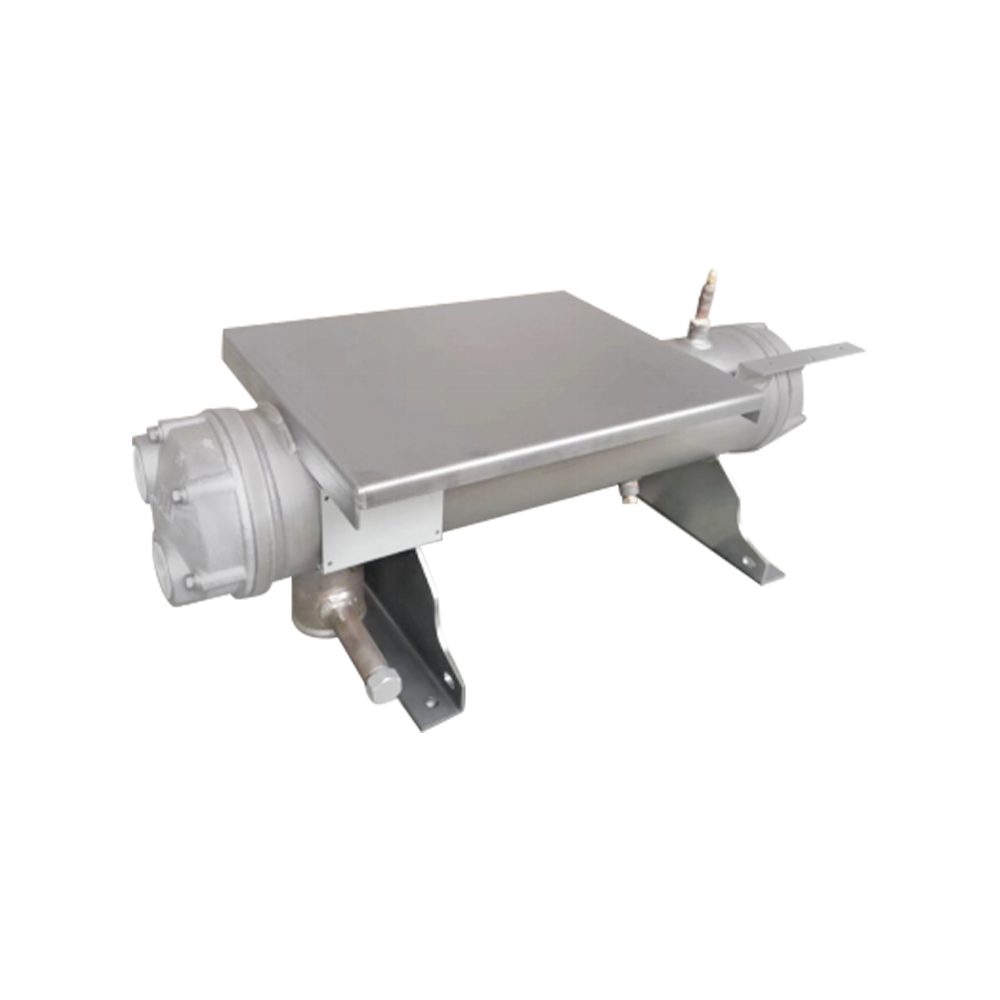
- Water-cooled condenser: Uses water flowing through a shell-and-tube or plate heat exchanger to absorb heat from the refrigerant. Typical of large commercial chillers. More efficient than air-cooled in hot climates because water can be maintained at lower temperatures than outdoor air through a cooling tower, but it requires water treatment and more infrastructure.
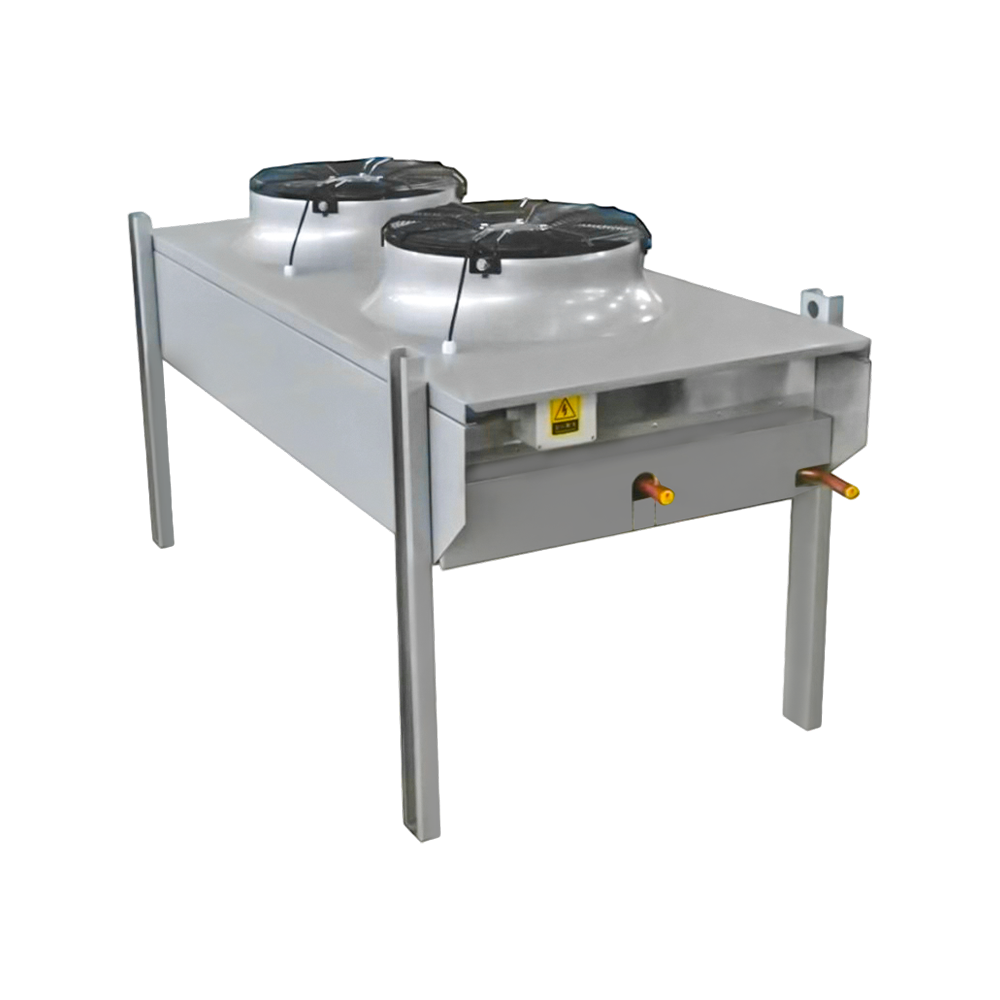
- Evaporative condenser: A hybrid design that uses both air and evaporating water to reject heat. Significantly more efficient than dry air-cooled condensers, especially in hot, dry climates. Covered in depth below.
Condenser coil cleanliness has a major practical impact on performance. A dirty condenser — clogged with dust, cottonwood seeds, or debris — raises the condensing temperature, forcing the compressor to work harder. Studies and field data consistently show that a badly fouled condenser can increase energy consumption by 10 to 30% and shorten compressor life. Annual coil cleaning is one of the most cost-effective maintenance steps for any air-cooled HVAC system.
Head-to-Head: Compressor vs Condenser Comparison
The table below summarizes the key differences between these two components across the dimensions that matter most for system design, maintenance, and troubleshooting.
| Attribute | Compressor | Condenser |
|---|---|---|
| Primary function | Pressurize refrigerant vapor | Reject heat, liquefy refrigerant |
| Refrigerant state at inlet | Low-pressure vapor | High-pressure hot vapor |
| Refrigerant state at outlet | High-pressure hot vapor | High-pressure liquid |
| Energy input | High (electrical motor drive) | Low (fan motor only, or passive) |
| Replacement cost (residential) | $800–$2,500+ | $400–$1,200 (coil replacement) |
| Common failure symptoms | No cooling, hard start, tripped breaker | High head pressure, warm supply air |
| Maintenance frequency | Annual inspection | Annual cleaning |
| Location in refrigerant circuit | Between evaporator and condenser | Between compressor and expansion device |
Evaporative Condenser: How It Works and Where It Excels
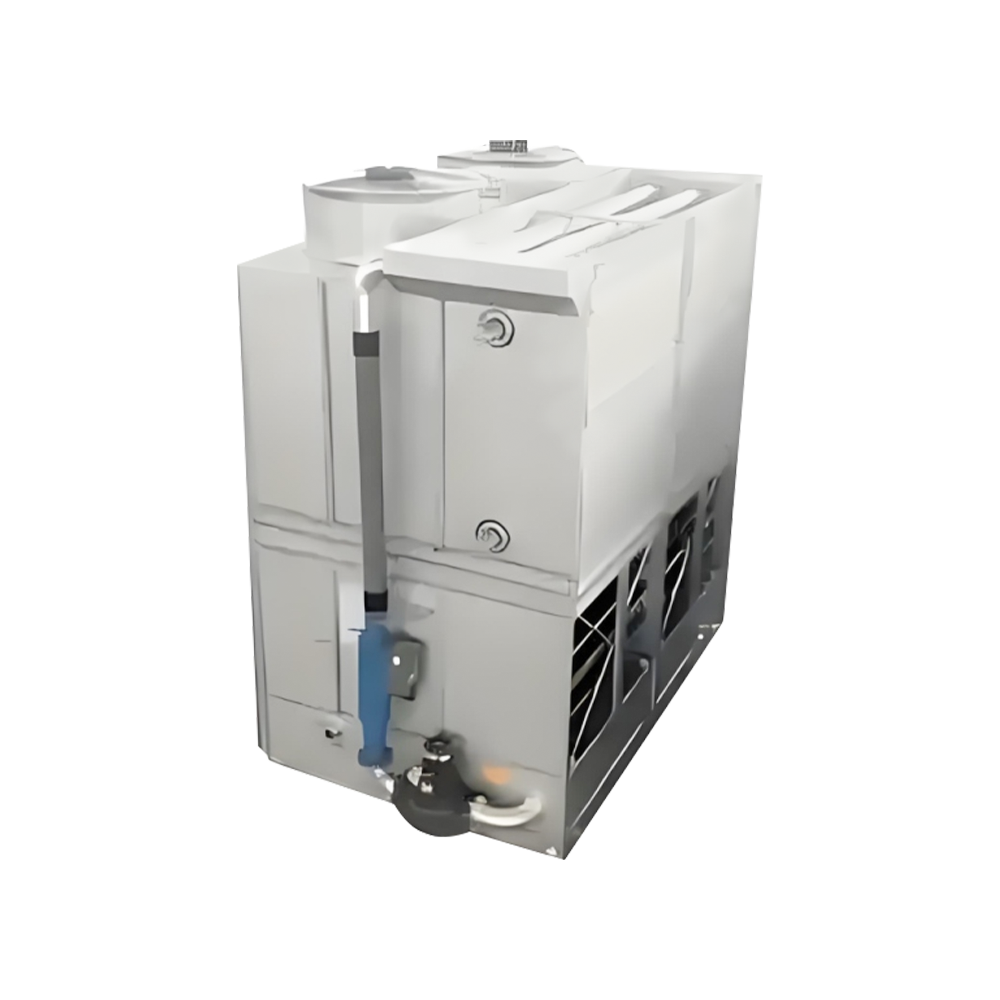
An evaporative condenser is a specialized heat rejection device that combines elements of both an air-cooled condenser and a cooling tower into one integrated unit. Instead of relying solely on dry air to remove heat from the refrigerant coil, an evaporative condenser sprays water directly over the coil surface while simultaneously moving air across it. The evaporation of that water dramatically improves heat transfer, allowing the system to maintain much lower condensing temperatures compared to a standard air-cooled condenser operating under the same ambient conditions.
The thermodynamic advantage is significant. A well-designed evaporative condenser can achieve condensing temperatures within 10 to 15°F of the ambient wet-bulb temperature, rather than the dry-bulb temperature that limits air-cooled condensers. In Phoenix, Arizona on a typical summer afternoon, the dry-bulb temperature might be 108°F, but the wet-bulb temperature could be as low as 71°F. An air-cooled condenser must reject heat against the 108°F dry-bulb; an evaporative condenser can approach the 71°F wet-bulb. That difference in condensing temperature translates directly into compressor work saved and efficiency gained.
Efficiency Gains in Real-World Applications
Published engineering data from equipment manufacturers and ASHRAE research consistently shows that evaporative condensers provide substantial energy savings. Compared to air-cooled alternatives in the same application, evaporative condensers typically reduce compressor energy consumption by 15 to 30%. In hot, arid climates where the wet-bulb depression is greatest, savings can push even higher. For a large industrial refrigeration plant running 8,000 hours per year, this difference can represent hundreds of thousands of dollars in annual electricity costs.
The food and beverage industry is one of the largest adopters of evaporative condensers. Cold storage warehouses, breweries, ice cream plants, and meat processing facilities routinely specify evaporative condensers because the combination of large refrigeration loads and continuous operation makes the energy savings economically compelling. A 500-ton ammonia refrigeration system in a distribution center, for example, will operate far more economically with evaporative condensing than with dry air-cooled equipment.
How an Evaporative Condenser Is Constructed
A typical evaporative condenser consists of the following key elements:
- Refrigerant coil: Usually bare steel or galvanized tubing arranged in a serpentine pattern. Hot refrigerant vapor from the compressor enters at the top and exits as liquid at the bottom after condensing.
- Spray system: A pump circulates water from a sump at the base of the unit up to spray nozzles or a distribution pan above the coil. Water cascades down over the coil continuously during operation.
- Fan section: One or more fans (axial or centrifugal depending on unit design) draw or push air through the unit to enhance evaporation and carry heat-laden air away from the coil.
- Drift eliminators: Mesh or chevron-shaped baffles positioned in the air stream to capture water droplets before they leave the unit, reducing water loss and preventing legionella risk from airborne droplets.
- Sump and makeup water connection: The basin at the bottom collects unevaporated water. A float valve or electronic controller adds makeup water to compensate for evaporation and blowdown.
- Blowdown or bleed-off system: Continuously or intermittently drains a portion of sump water to prevent dissolved minerals from concentrating to levels that cause scaling on coil surfaces.
Evaporative Condenser Water Treatment and Maintenance
The water circuit in an evaporative condenser introduces maintenance requirements that do not exist with dry air-cooled equipment. Scale buildup on coil surfaces is the most common operational problem. Calcium and magnesium carbonate deposits act as insulators, reducing heat transfer efficiency and potentially causing coil overheating. Depending on local water hardness, operators may need to maintain cycles of concentration between 3 and 5, meaning blowdown rates are calibrated so that dissolved solids in the sump water are only 3 to 5 times the concentration found in the makeup water supply.
Biological growth — particularly Legionella pneumophila — is the safety-critical concern in any open water system. Regulatory guidelines in many jurisdictions, including ASHRAE Standard 188 in the United States, require formal water management plans for evaporative cooling equipment. Routine biocide treatment, regular cleaning and disinfection, and documentation are not optional for commercial and industrial operators. Properly managed evaporative condensers do not pose unusual risk, but neglected systems do.
In cold climates, freeze protection is required for the sump and piping during winter. Options include basin heaters, full water drainage with dry operation (many evaporative condensers can operate in a dry mode by simply not running the spray pump), or glycol treatment. Most industrial installations drain the sump when ambient temperatures approach freezing and switch to dry operation until spring.
Where Evaporative Condensers Fit Versus Standard HVAC Condensers
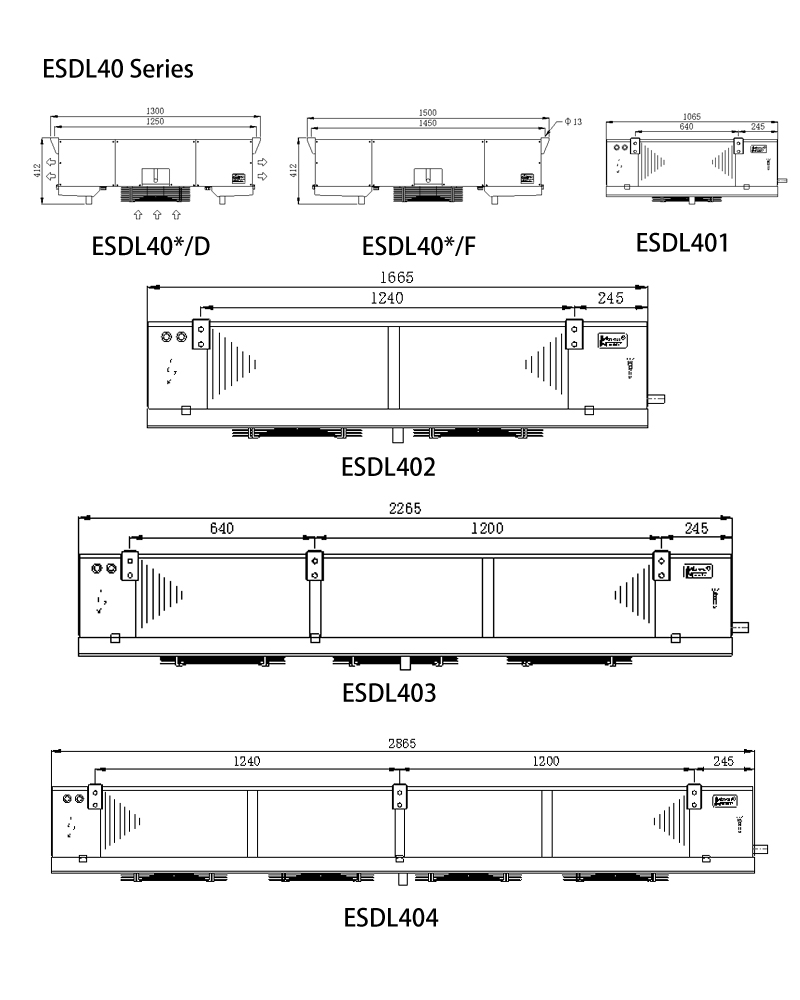
Standard residential and light commercial HVAC systems almost never use evaporative condensers. The added water infrastructure, maintenance requirements, and footprint make them impractical at small scales. Below about 20 to 50 tons of refrigeration capacity, air-cooled condensers offer the best balance of cost, simplicity, and performance.
Evaporative condensers become the preferred choice in the following scenarios:
- Industrial refrigeration above 50 tons: Ammonia-based refrigeration systems in cold storage, food processing, and chemical plants. Ammonia and evaporative condensers are a long-established pairing in industrial refrigeration engineering.
- Hot and dry climates: Regions with high dry-bulb but low wet-bulb temperatures (desert Southwest US, Middle East, parts of Australia) provide the largest wet-bulb depression and therefore the greatest efficiency benefit from evaporative condensing.
- Applications with limited footprint for heat rejection: Evaporative condensers can reject more heat per square foot of ground area than air-cooled condensers because the evaporative mechanism is so much more efficient. In dense urban rooftop installations or tight mechanical yards, this can be the deciding factor.
- High-ambient environments where air-cooled condensers struggle: Engine rooms, process facilities with elevated surroundings, or rooftop equipment in extreme heat climates where air-cooled condensers would require significant oversizing to maintain acceptable condensing temperatures.
The decision between an evaporative condenser and a dry air-cooled condenser for a medium or large project is fundamentally an economic calculation comparing capital cost, water cost, chemical treatment cost, maintenance labor, and energy savings over the project life. In most scenarios above 100 tons in a warm climate, evaporative condensers show a payback period of two to five years when compared to equivalent air-cooled equipment, and deliver ongoing savings for the rest of the system's 20 to 30-year lifespan.
How the Compressor and Condenser Work Together in the Full Cycle
Understanding the compressor and condenser in isolation is useful, but they only make sense in the context of the full vapor-compression cycle. The four main components — evaporator, compressor, condenser, and expansion device — form a closed loop. A failure or degradation in any one component immediately affects all the others.
Here is the sequence for a standard air conditioning system in operation:
- Low-pressure liquid refrigerant passes through the expansion device (thermostatic expansion valve or orifice tube), dropping in pressure and partially flashing to vapor.
- The cold, low-pressure refrigerant mixture enters the evaporator coil inside the air handler. It absorbs heat from the warm indoor air blowing across the coil, fully evaporating into a low-pressure vapor. This is how the system actually cools your space.
- Low-pressure vapor travels to the compressor, which raises it to high pressure and temperature.
- Hot, high-pressure vapor enters the condenser, where it rejects heat to the outdoor environment. The refrigerant cools, condenses to liquid, and exits the condenser coil.
- High-pressure liquid returns to the expansion device and the cycle repeats continuously.
The compressor sets the pressure differential that drives everything. The condenser determines how efficiently the compressor can do its job. If the condenser is dirty and condensing temperature rises, the compressor must work against a higher discharge pressure, drawing more current and generating more heat. This relationship is why condenser maintenance is so directly linked to compressor longevity — a stressed condenser stresses the compressor.
Technicians use the concept of "compression ratio" — the ratio of absolute discharge pressure to absolute suction pressure — as a quick gauge of how hard the compressor is working. For R-410A systems, a compression ratio above 5:1 or 6:1 begins to signal excessive head pressure, often caused by a fouled or undersized condenser. Prolonged high compression ratios are one of the leading causes of compressor motor winding failure.
Diagnosing Compressor vs Condenser Problems in the Field
When an HVAC system fails to cool effectively, technicians must determine whether the root cause lies with the compressor, the condenser, or elsewhere in the system. The following diagnostic indicators help narrow the problem:
Signs Pointing to a Compressor Problem
- The outdoor unit runs but suction and discharge pressures are essentially equal or nearly so — the compressor is not building differential pressure.
- The compressor motor draws abnormally high amperage (measured with a clamp meter) and the circuit breaker trips repeatedly.
- Hard starting — the unit hesitates or hums without starting until a hard start kit is installed, indicating failing start capacitors or motor windings.
- Megohm testing of motor windings shows resistance below acceptable thresholds, indicating insulation breakdown.
- Unusual grinding, clanking, or intermittent mechanical noise from the compressor housing during operation.
Signs Pointing to a Condenser Problem
- High discharge pressure with normal or near-normal suction pressure — the compressor is building pressure, but heat rejection is impaired.
- Visually dirty or bent condenser fins reducing airflow across the coil.
- The condenser fan motor or blade is not functioning, causing hot air recirculation inside the cabinet.
- Refrigerant subcooling measured at the condenser outlet is well below the expected 10 to 20°F range, suggesting insufficient heat rejection or refrigerant overcharge.
- High-pressure safety cutout trips repeatedly on hot days but system appears normal after the unit cools down.
One common diagnostic mistake is to condemn a compressor when the real problem is a dirty condenser. A compressor operating against excessive head pressure will exhibit some compressor-like symptoms (high amperage, short-cycling on thermal overload) but the root cause is the heat rejection side. Always inspect and clean the condenser coil before reaching conclusions about compressor health.
Efficiency Ratings and How Compressor and Condenser Design Affect Them
The efficiency of an air conditioning or heat pump system is inseparable from the design and condition of both the compressor and the condenser. In the United States, SEER2 (Seasonal Energy Efficiency Ratio 2) is the current standard efficiency metric for residential air conditioning, replacing the older SEER standard as of January 2023. Current federal minimum SEER2 standards are 13.4 for most of the country and 14.3 in hotter southern regions, but high-efficiency equipment can reach SEER2 ratings of 20 or above.
Compressor type and speed control are the largest single factors in efficiency. Variable-speed scroll compressors matched to large condenser coils with enhanced surface area and variable-speed condenser fans form the foundation of every top-tier residential system. The condenser coil in a high-SEER2 unit may have two or three times the face area of a budget unit of the same nominal tonnage, allowing much lower condensing temperatures and dramatically less compressor work at partial load.
For industrial systems using evaporative condensers, efficiency is measured differently — often in coefficient of performance (COP) or energy efficiency ratio (EER) at specific operating conditions. A well-designed ammonia refrigeration system with evaporative condensing might achieve a COP of 3.5 to 4.5 at summer design conditions, while an equivalent air-cooled system might achieve only 2.5 to 3.2 under the same conditions. That gap matters enormously when the system runs continuously for decades.
Refrigerant selection also interacts with both compressor and condenser performance. The industry is in a multi-year transition from R-410A to lower-global-warming-potential alternatives, including R-32, R-454B, and R-466A. Each refrigerant has different pressure-temperature characteristics, which influence compressor design, operating pressures, and condenser sizing. Equipment manufacturers have redesigned both compressors and condenser coils for these next-generation refrigerants, meaning that replacement components must be matched carefully to the refrigerant in use.
Practical Maintenance Recommendations for Both Components
Getting the most out of both the compressor and the condenser comes down to consistent, disciplined maintenance. Neither component is particularly demanding, but neglect compounds quickly in a system where all parts are interdependent.
Condenser Maintenance Checklist
- Clean condenser coil fins annually, or twice yearly in environments with heavy airborne debris (cottonwood, dust, pollen). Use a low-pressure water rinse from the inside of the coil outward, or a commercially available coil cleaner appropriate for the coil material.
- Inspect and straighten bent fins using a fin comb. Even partially flattened fins measurably restrict airflow.
- Check condenser fan blade condition — cracks, chips, or imbalance cause vibration and accelerated bearing wear.
- Verify fan motor amperage against nameplate rating. A motor drawing 10% over nameplate is overheating and approaching failure.
- Ensure at least 18 to 24 inches of clearance around the unit on all sides to prevent discharge air from recirculating back into the intake. Shrubs, fences, or debris piles placed too close to a condenser unit are a surprisingly common cause of elevated head pressure.
- For evaporative condensers: test water chemistry monthly during the operating season, check spray nozzles for clogging, inspect drift eliminators, and follow your water management plan for biocide treatment and blowdown control.
Compressor Protection Practices
- Verify refrigerant charge annually. Both overcharge and undercharge damage compressors. Undercharge causes the compressor to run hot with insufficient oil return; overcharge causes liquid slugging.
- Test starting and running capacitors each season. A weak capacitor stresses the motor on every start cycle and shortens compressor life measurably.
- Ensure the crankcase heater (if equipped) is energized during off-season storage to prevent refrigerant migration into the oil. Migration during cold shutdown and subsequent liquid slugging on startup is a known compressor killer.
- Keep the condensate drain clear and indoor filter clean. A restricted evaporator due to a dirty filter drops suction pressure, which raises compression ratio and compressor discharge temperature.
- Install a hard start kit on compressors that show any tendency to struggle on startup — the current spike during hard starts is one of the most damaging events a compressor motor experiences.
A properly maintained compressor in a properly maintained system should last 15 to 20 years. Most premature compressor failures trace back to either refrigerant or electrical issues that could have been caught with routine service visits. The condenser, being a passive heat exchanger with no moving parts (except the fan), rarely fails outright — but its gradual decline through fouling silently degrades the entire system's performance and accelerates compressor wear year by year.