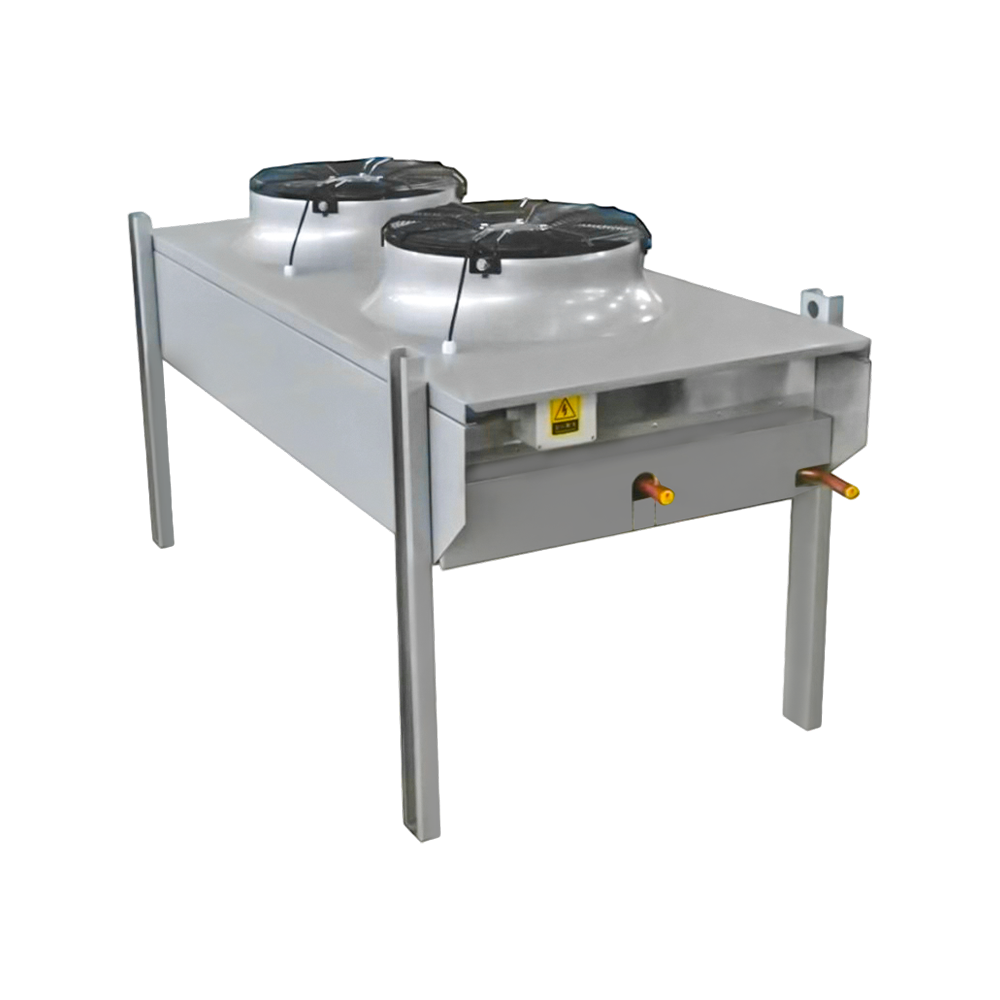
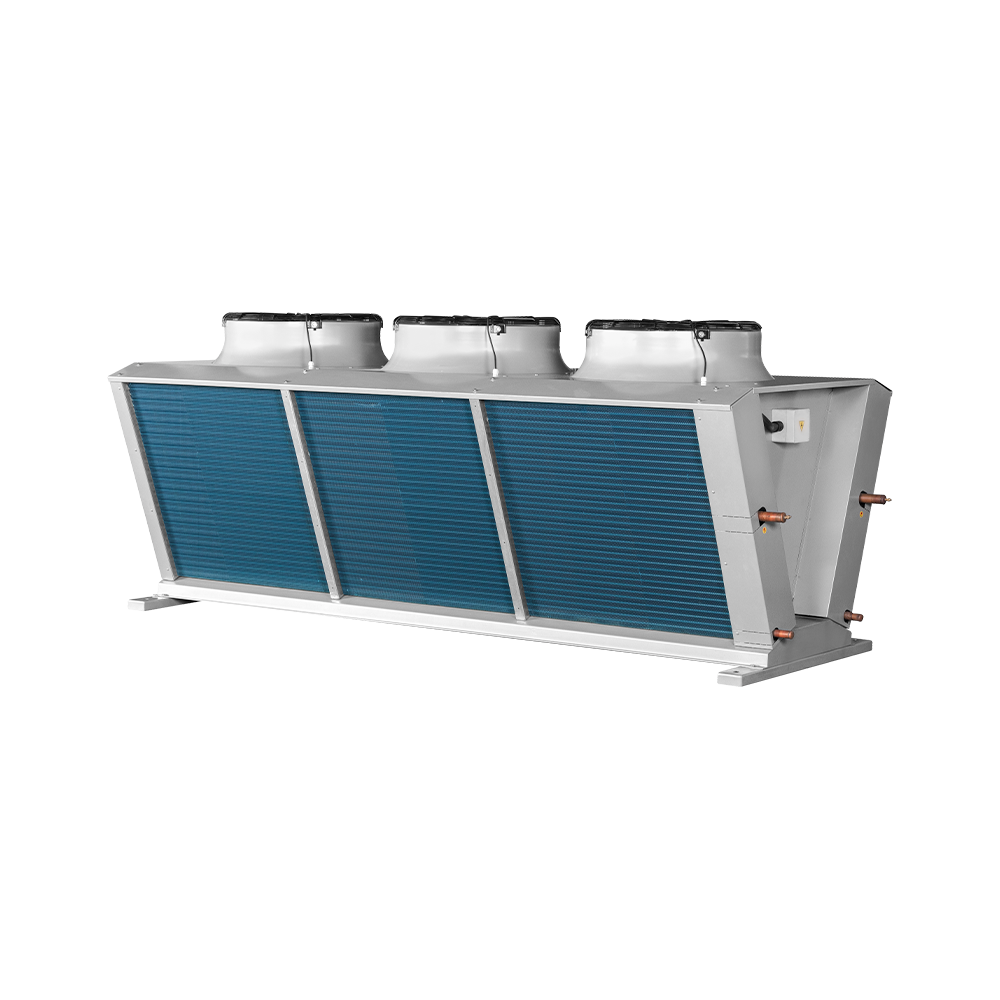
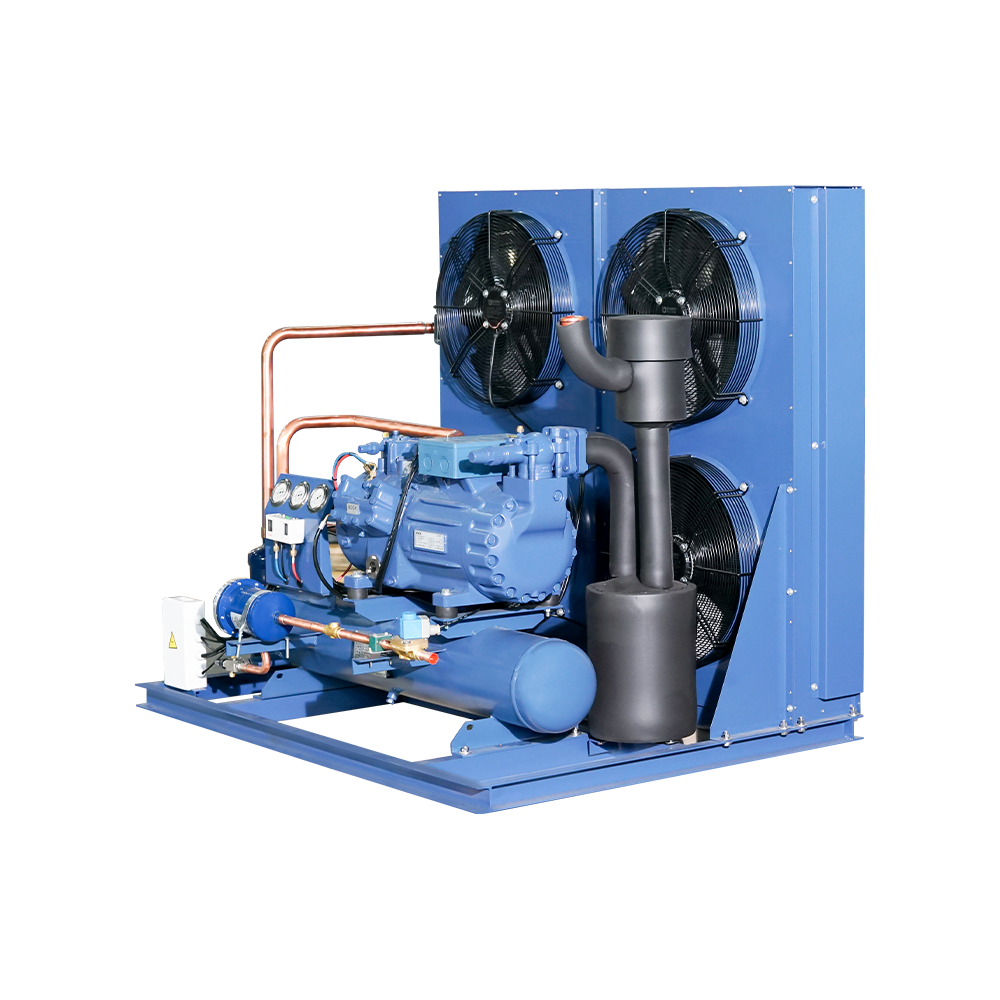
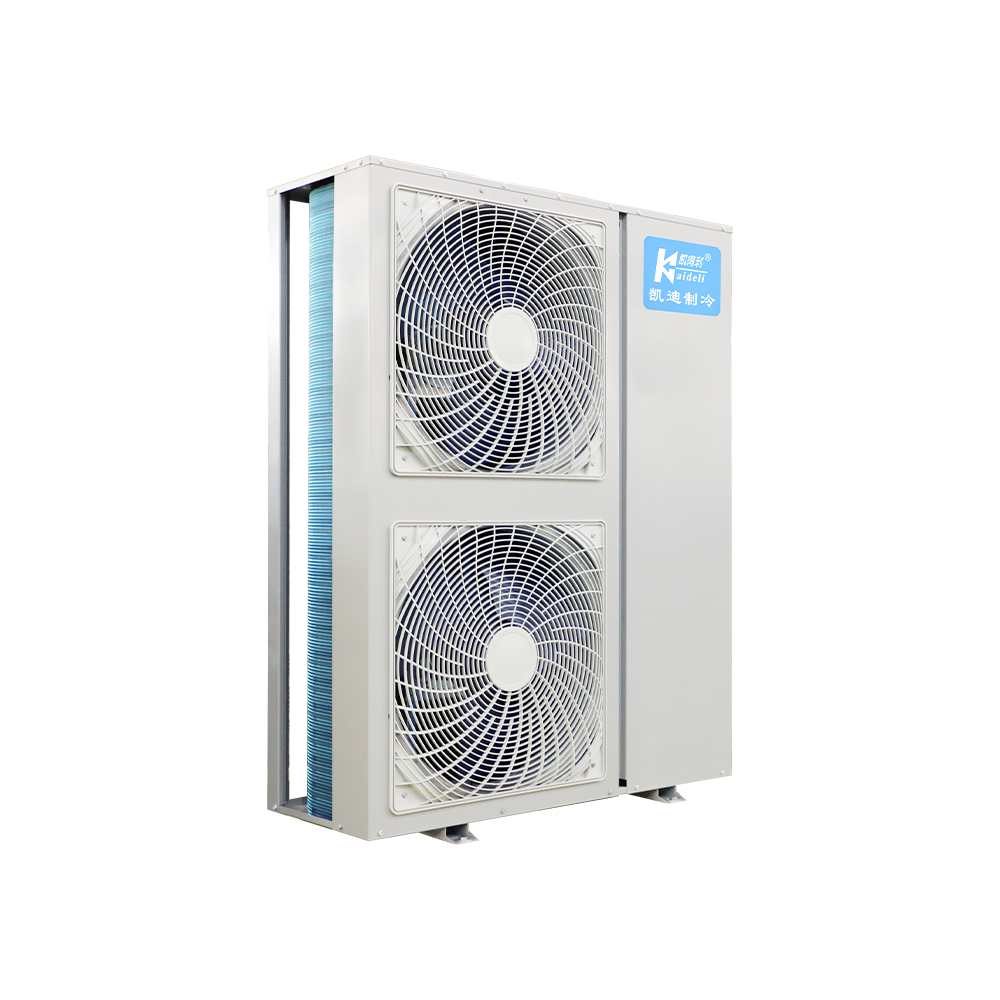
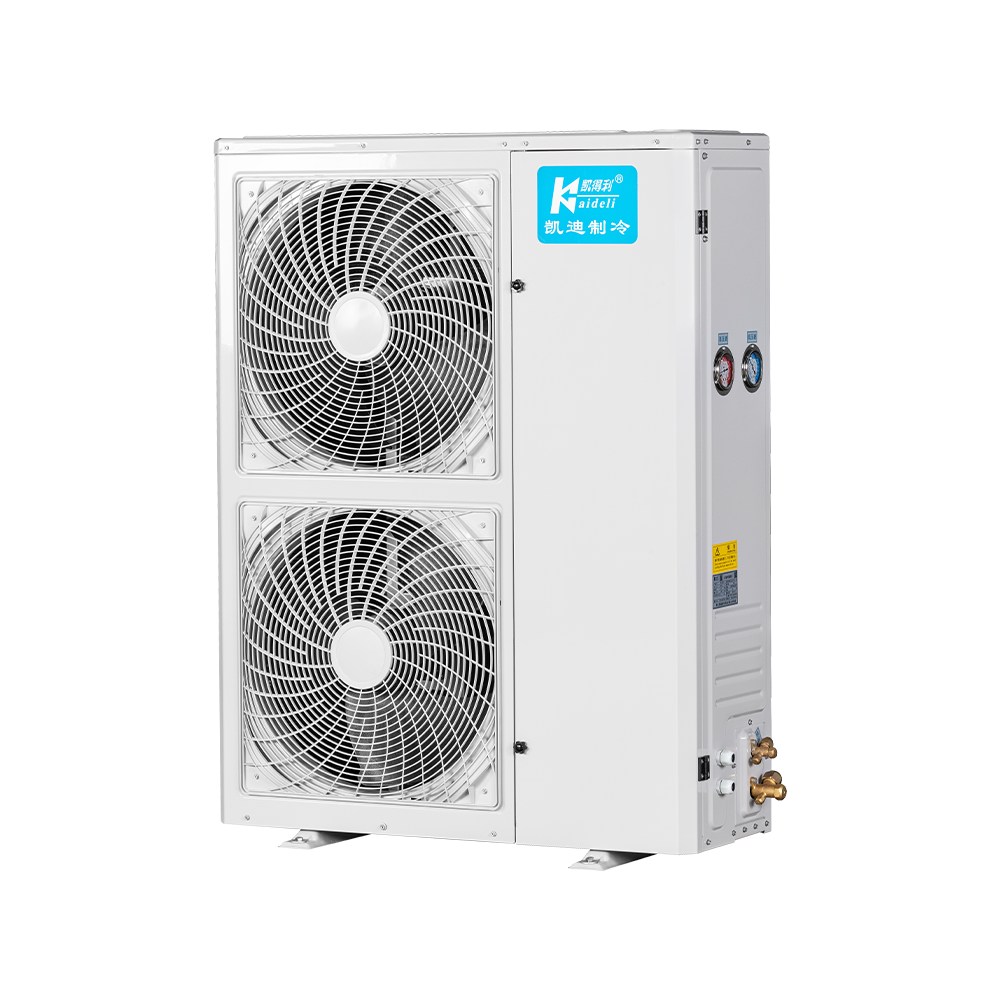
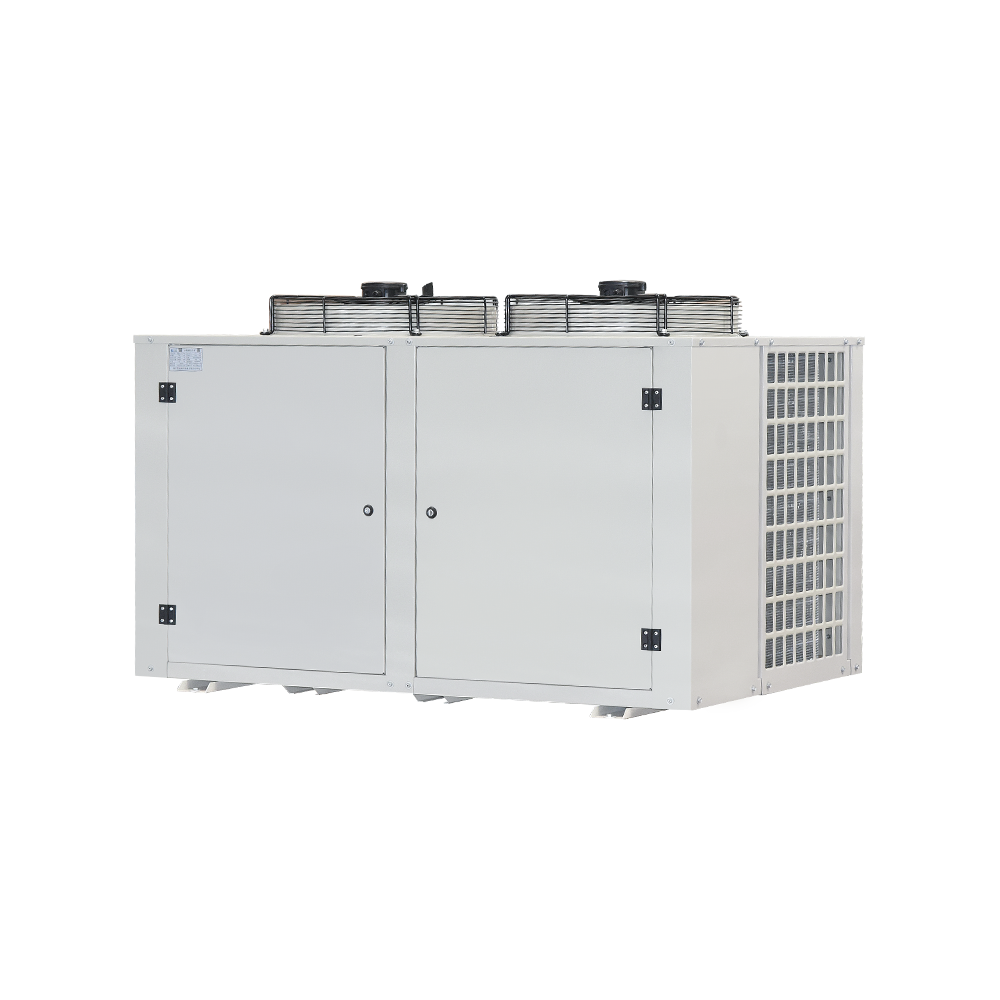
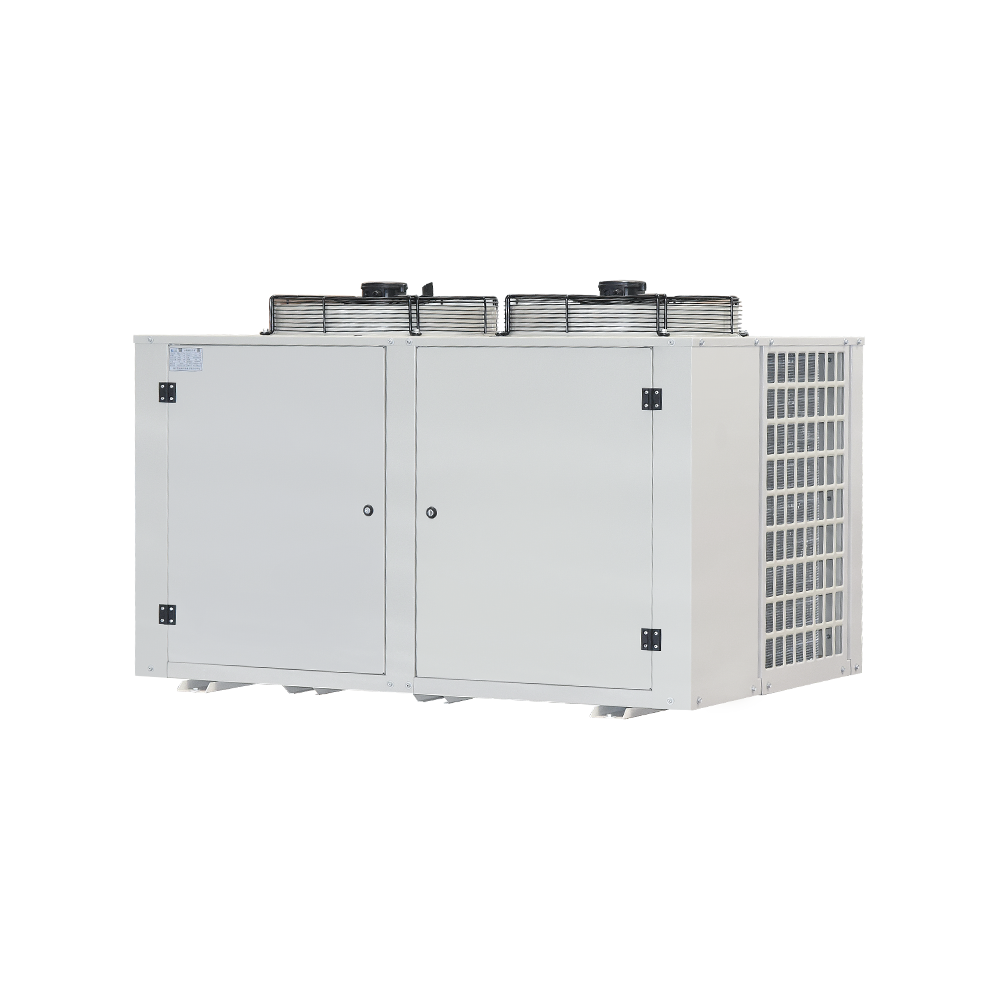
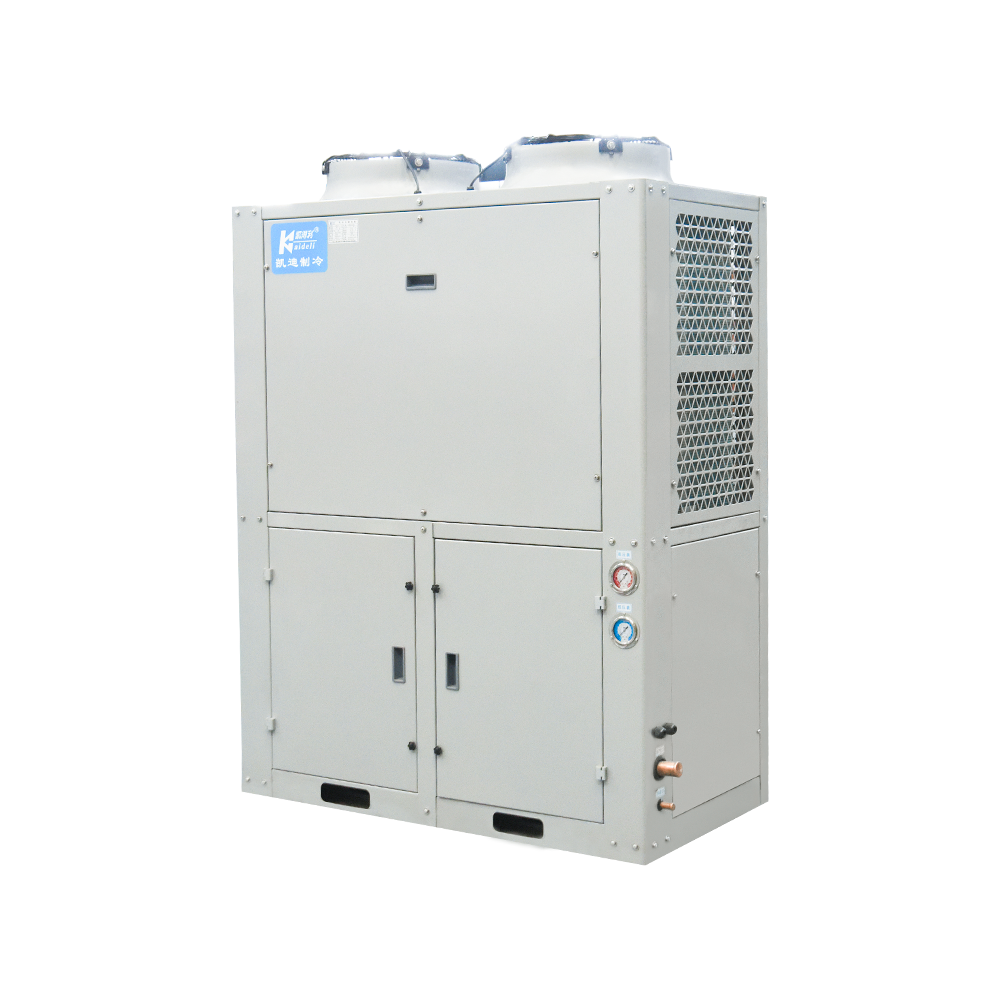
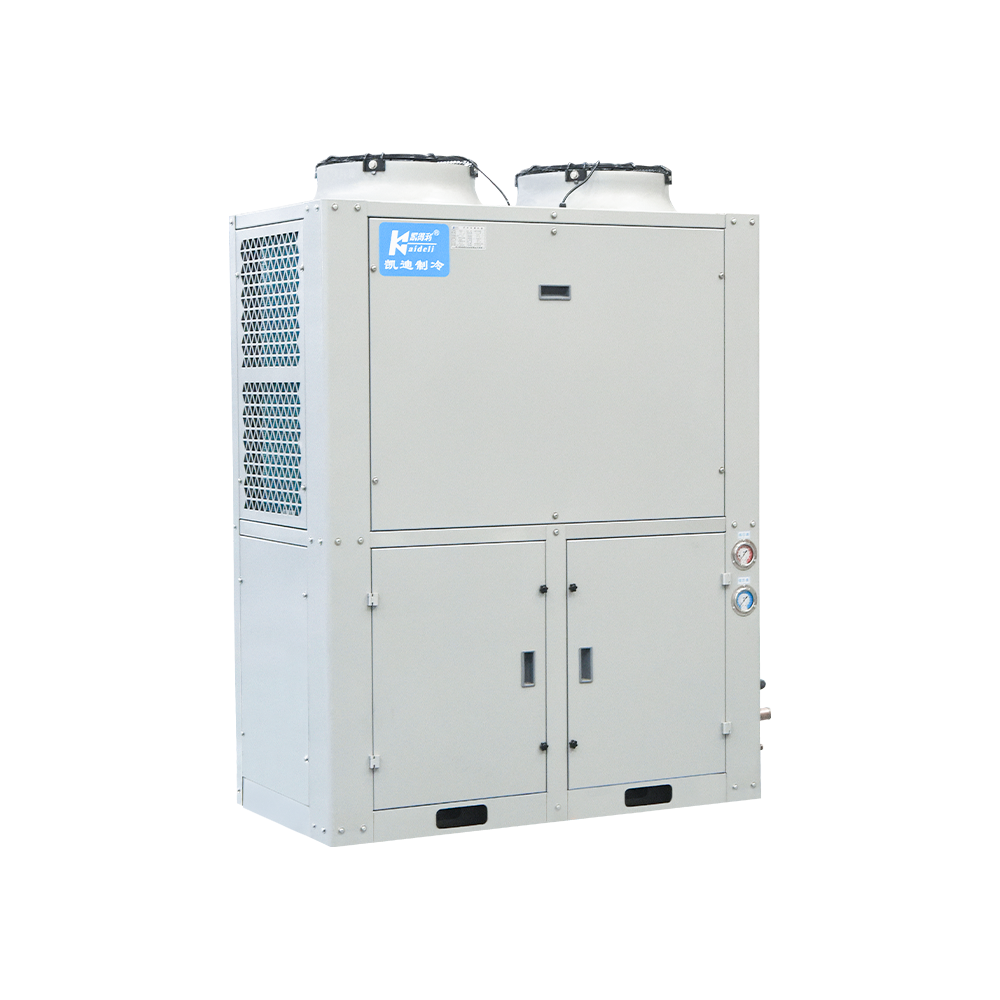
Air Cooled Condenser is a core heat exchange component in refrigeration systems, which uses air as the cooling medium to dissipate the heat of refrigerant vapor, condensing high-pressure superheated refrigerant into saturated liquid or subcooled liquid and continuously powering the refrigeration cycle. Zhejiang Kaidi Refrigeration Equipment Co., Ltd. (hereinafter referred to as Kaidi) has focused on the refrigeration field for nearly 30 years. Its independently R&D and manufactured Air Cooled Condensers cover two main types: forced draft and natural draft. Relying on advanced CNC machining technology and lean manufacturing capabilities, these products are widely applicable to small and medium-sized refrigeration systems as well as large-scale refrigeration projects in water-scarce environments, enjoying a high reputation in both domestic and international markets. As a high-tech enterprise integrating R&D, production, pre-sales program design and after-sales service, Kaidi’s Air Cooled Condensers have formed core advantages in heat transfer efficiency, structural stability and operational convenience, providing reliable refrigeration and heat exchange solutions for global customers.
1. Working Principle
The core working principle of an Air Cooled Condenser is to realize refrigerant condensation through medium heat exchange. High-pressure superheated refrigerant vapor enters the finned coil bank from the upper header of the equipment. The external fins effectively expand the air-side heat exchange area, making up for the low heat transfer coefficient of air. Natural draft models rely on natural convection formed by the density change of air after heat absorption to dissipate heat, while forced draft models use fans to drive air to sweep across the tube surface at a face velocity of 2.5~3.5m/s, enabling the refrigerant inside the tubes to release heat and condense. Supported by its Shanghai Hongqiao R&D Centre, Kaidi has optimized the tube arrangement (adopting a 4-6 row design) and fin structure, controlling the average heat transfer temperature difference of the product at 10~15℃, with the condensing temperature only about 15℃ higher than the ambient temperature, which significantly improves heat transfer efficiency.
2. Core Performance and Product Highlights
- Strong Adaptability: No need for a cooling water circulation system, enabling stable operation in water-scarce areas. It has a wide condensing temperature adaptation range to meet different refrigeration capacity requirements.
- Optimized Structure: Kaidi uses advanced CNC machining technology to produce coil and fin components, resulting in compact equipment with light weight, reducing the floor area by more than 30% compared with traditional water-cooled equipment.
- High Efficiency and Energy Saving: By optimizing the air flow path and heat transfer structure, the heat transfer coefficient can reach 25~50w/(m²·k). Combined with intelligent fan speed regulation technology, the operation energy consumption is significantly reduced.
- Convenient Operation and Maintenance: The equipment is free from scaling problems in the cooling water circuit, reducing the workload of later maintenance. In addition, Kaidi has established branches in Beijing, Guangzhou and other cities across the country, enabling rapid response to maintenance needs.
3. Product Types and Application Cases
3.1 Product Types
| Type |
Core Features |
Applicable Scenarios |
| Natural Draft Air Cooled Condenser |
Fan-free, low noise, relying on natural convection for heat exchange |
Small-scale refrigeration units, noise-sensitive places |
| Forced Draft Air Cooled Condenser |
Equipped with dedicated fans, high heat exchange efficiency |
Small and medium-sized refrigeration systems with refrigeration capacity less than 60kw, industrial production refrigeration scenarios |
3.2 Typical Application Cases
Kaidi’s forced draft Air Cooled Condensers were once applied to an air-cooled screw chiller project in the heat treatment industry, with the equipment operating stably for 15 years since its installation in 2008. The installation location of the project was limited. Kaidi optimized the equipment layout and reserved reasonable maintenance space through customized pre-sales program design. Meanwhile, relying on its professional after-sales team, it provided regular maintenance services to ensure the continuous and efficient operation of the equipment under high-load working conditions. In addition, the products are widely used in food cold chain, commercial air conditioning, chemical refrigeration and other fields. With a global sales and service network, Kaidi provides localized technical support for customers in different regions.
4. Detailed Comparison with Water-Cooled Condensers
| Comparison Dimension |
Air Cooled Condenser |
Water-Cooled Condenser |
| Cooling Medium |
Air |
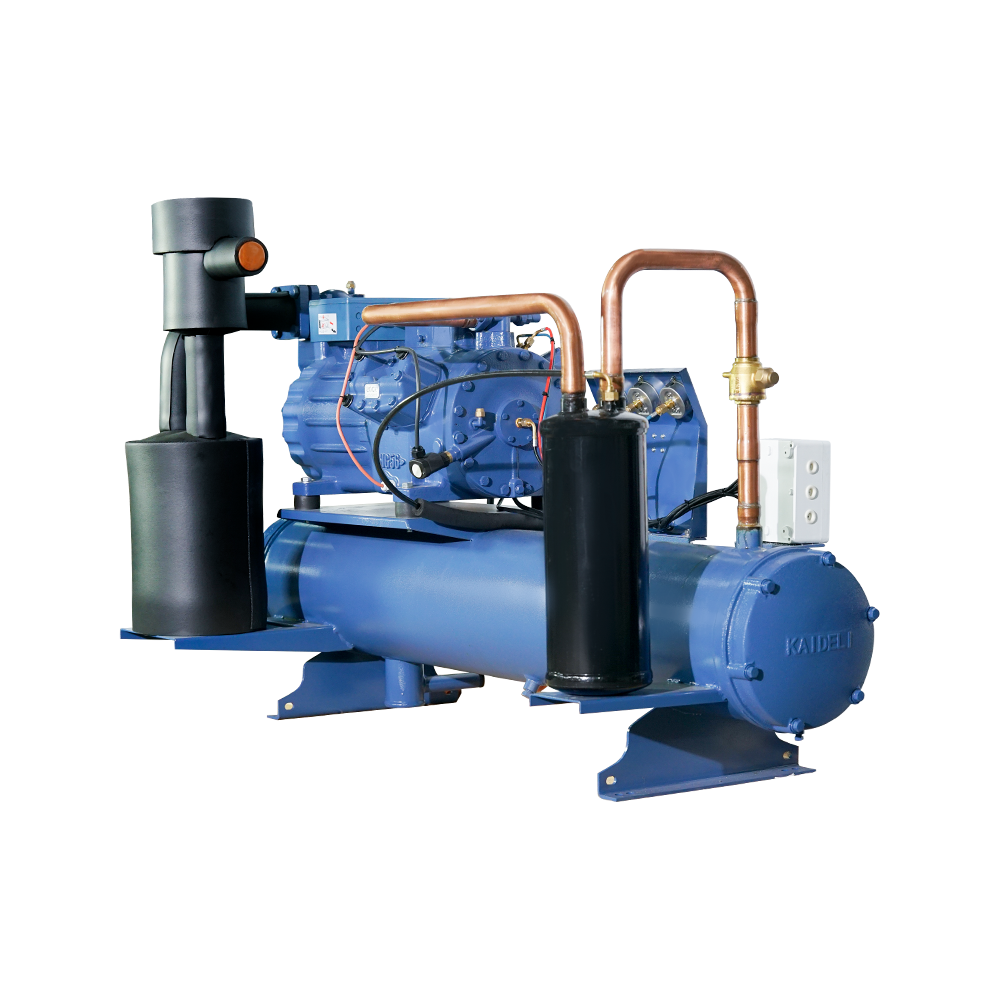
Cooling water (needing supporting cooling towers) |
| System Composition |
Simple structure, no need for cooling water circulation equipment |
Needing auxiliary equipment such as cooling towers and water pumps |
| Initial Investment |
Relatively high |
Relatively low |
| Operation Cost |
No cooling water consumption, high proportion of electricity cost |
Needing cooling water consumption, with double costs of water and electricity |
| Applicable Environment |
Water-scarce areas, areas with poor water quality |
Areas with sufficient cooling water and good water quality |
| Maintenance Difficulty |
Low, only regular cleaning of fin dust accumulation is needed |
High, regular cleaning of pipeline scaling is required |
| Condensing Temperature |
About 15℃ higher than ambient temperature |
Affected by cooling water temperature, with a temperature rise of about 4~6℃ |
5. Maintenance and Care Guidelines
5.1 Daily Maintenance
- Regularly check the fan operation status to ensure no abnormal noise or vibration, and tighten the electrical wiring terminals.
- Use high-pressure air to blow off dust on the fin surface every quarter to avoid reduced heat exchange efficiency caused by decreased heat dissipation area. Do not directly rinse with high-pressure water to prevent fin deformation.
- Monitor the suction and discharge pressure of the system. If any abnormality is found, contact Kaidi’s after-sales team for troubleshooting in a timely manner.
5.2 Regular Maintenance
- Conduct a comprehensive cleaning every year, using special cleaning agents combined with high-pressure air blowing to remove stubborn dirt.
- Perform chemical descaling treatment every 2~3 years. Organic acids such as formic acid and citric acid can be used to clean the pipelines. After cleaning, alkaline solution should be used to neutralize the residual acid.
- During shutdown in winter, drain all water inside the equipment to prevent pipeline freezing and cracking. Before restarting after long-term shutdown, check the status of water pumps, circuits and compressors.
5.3 Professional Support
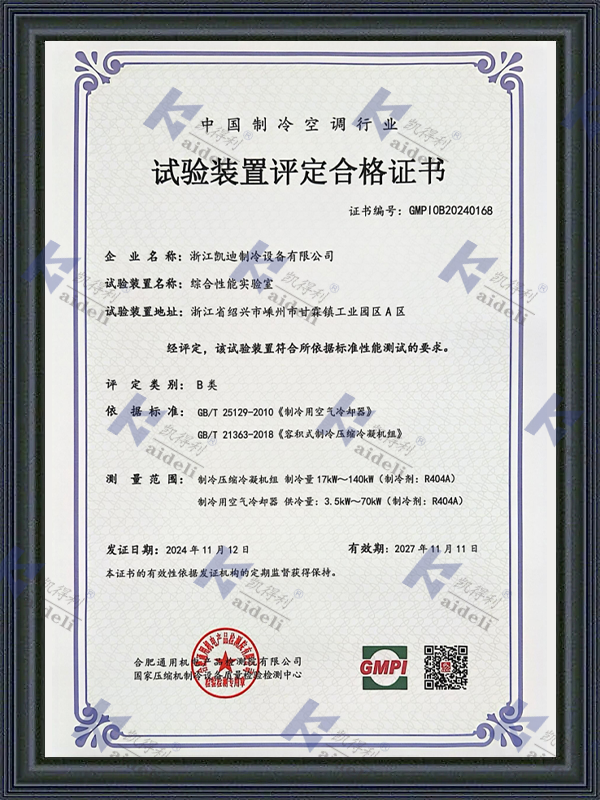
Kaidi has established a standardized after-sales maintenance system. Customers can book maintenance services through national branches or online service platforms. It is recommended to use Kaidi’s original spare parts when replacing components to ensure equipment compatibility and operational stability. The company’s testing laboratory can provide product performance testing and fault diagnosis support.
6. Frequently Asked Questions (FAQ)
Q1: What are the causes of high-pressure alarm during the operation of an Air Cooled Condenser?
A1: The main causes include: excessive ambient temperature leading to poor heat dissipation; severe dust accumulation on fins blocking the air channel; excessive refrigerant charge or non-condensable gas mixed in the system. You can first clean the fin surface and check the refrigerant charge amount. If the problem is not solved, contact Kaidi’s after-sales service for professional leak detection and system commissioning.
Q2: Can the heat exchange efficiency of natural draft Air Cooled Condensers meet the needs of industrial refrigeration?
A2: Natural draft models are suitable for small-scale refrigeration units. For industrial refrigeration scenarios, forced draft Air Cooled Condensers are recommended. Kaidi can provide customized solutions according to refrigeration capacity requirements, installation environment and other factors to ensure that the equipment’s heat exchange efficiency matches the actual working conditions.
Q3: What is the general service life of an Air Cooled Condenser? How to extend its service life?
A3: The normal service life of Kaidi’s Air Cooled Condensers can reach 10~15 years, as shown in the above-mentioned heat treatment industry case. Following standardized maintenance procedures, using original spare parts and avoiding long-term operation under extreme working conditions can effectively extend the service life. Regular professional maintenance services provided by Kaidi can also help detect potential problems in a timely manner.
Q4: Does the ambient temperature in different regions affect the operation of an Air Cooled Condenser?
A4: Yes, it does. High-temperature environments will cause the condensing temperature to rise, so it is necessary to select Kaidi’s high-temperature adapted products. Anti-freezing measures should be taken during shutdown in low-temperature environments. Kaidi can optimize the equipment design according to the climatic conditions of the application area to ensure stable operation within the ambient temperature range of -20℃~45℃.



 English
 中文简体
中文简体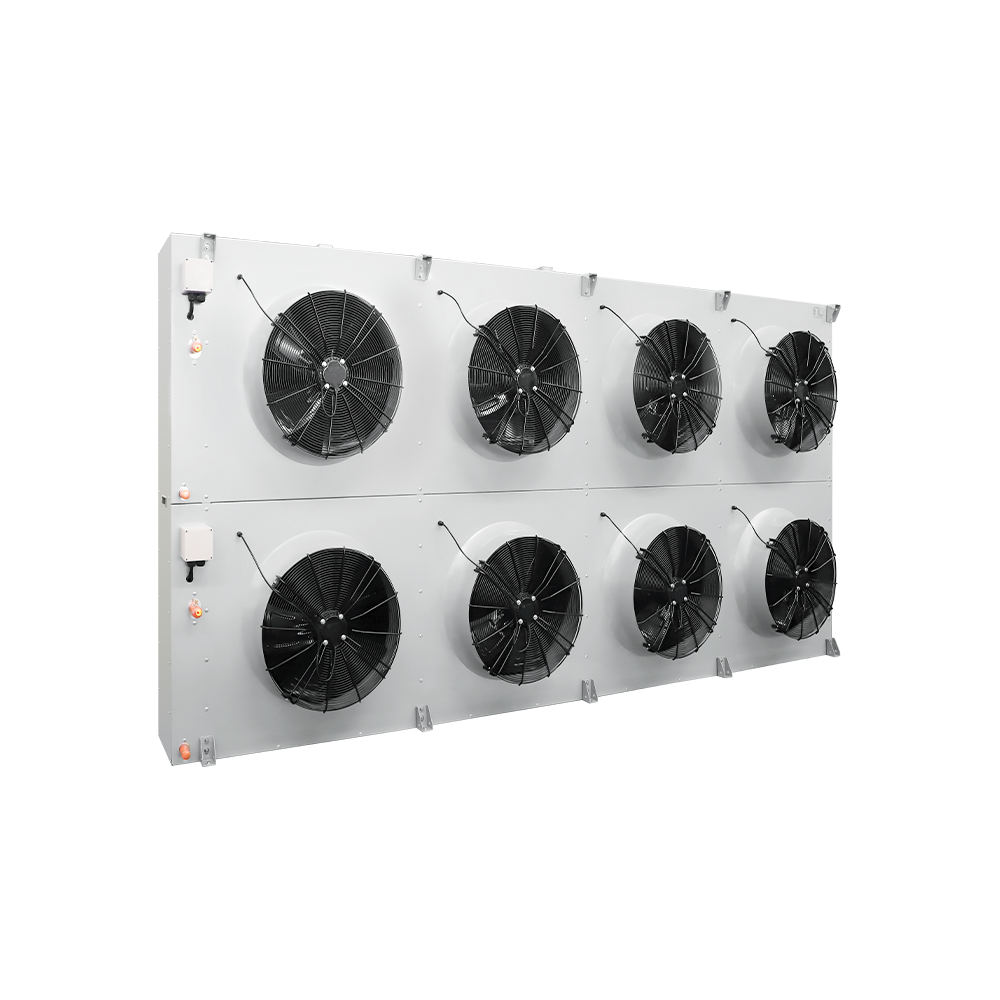







 23 Mar,2026