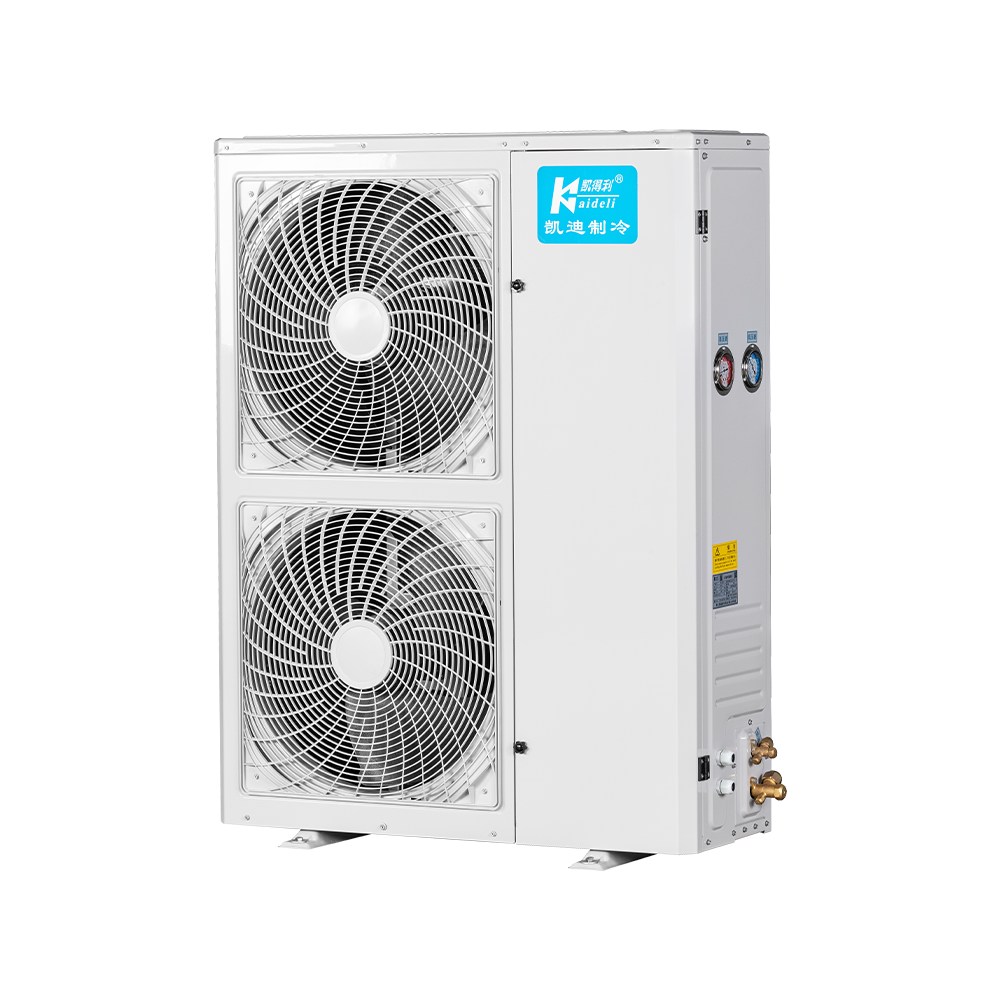
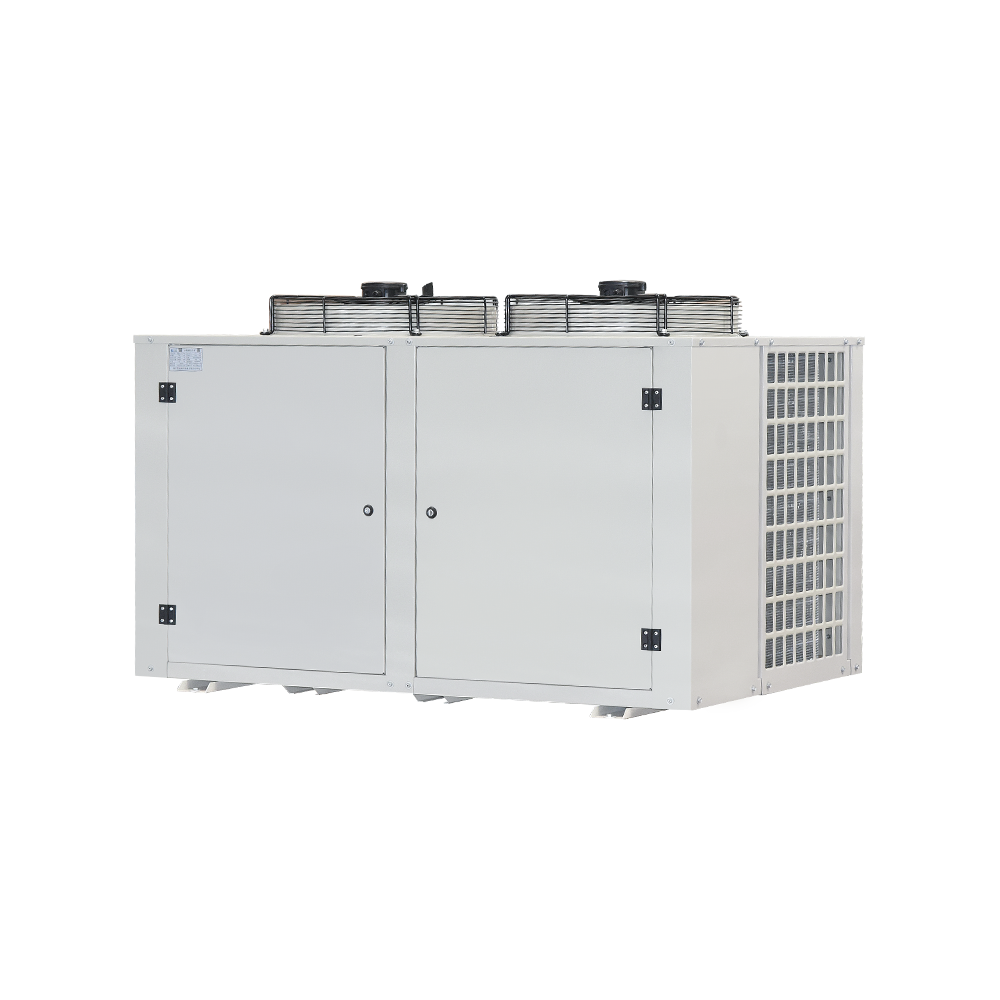
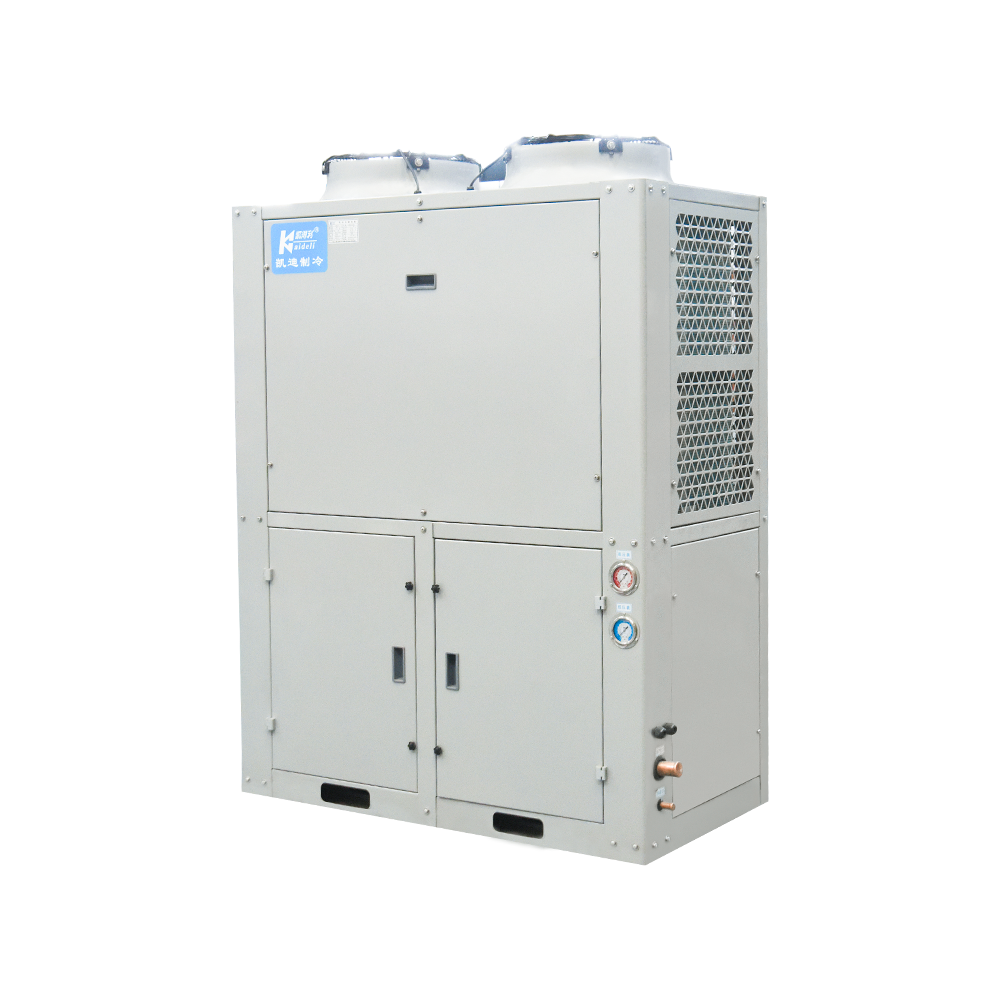
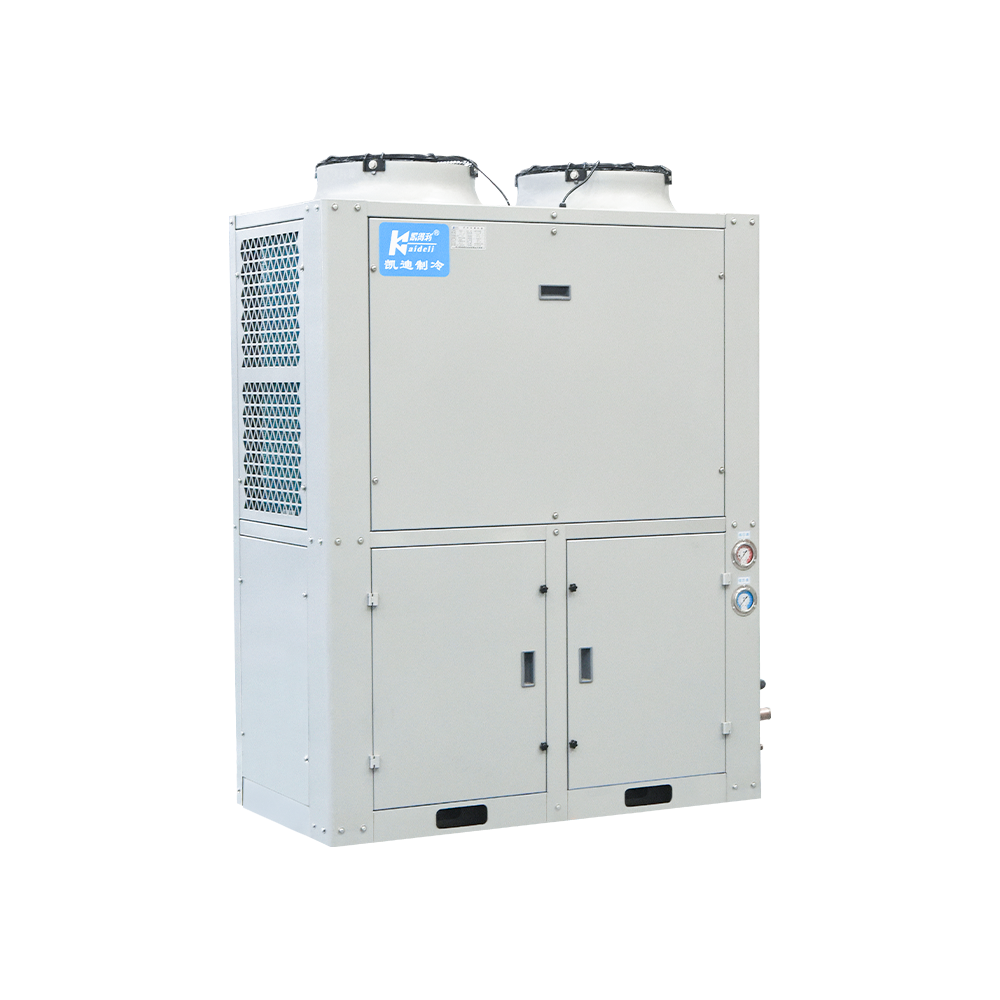
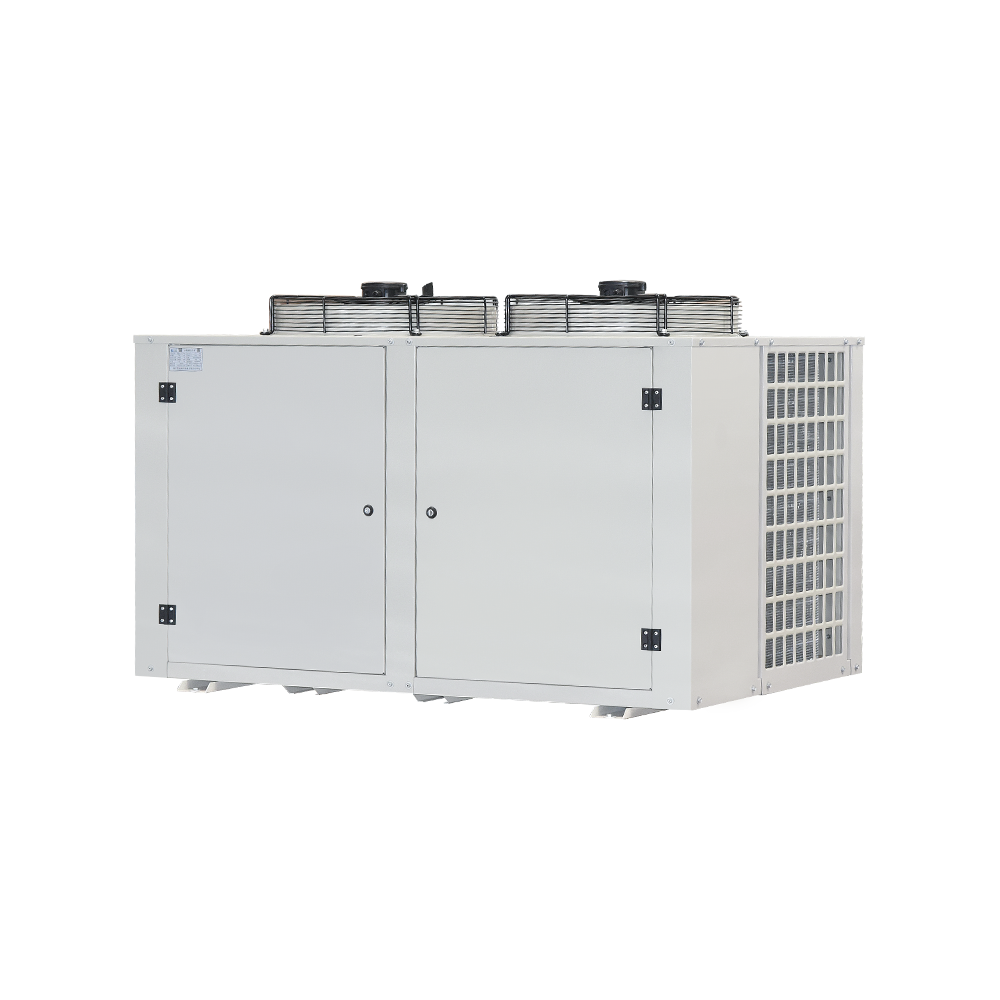
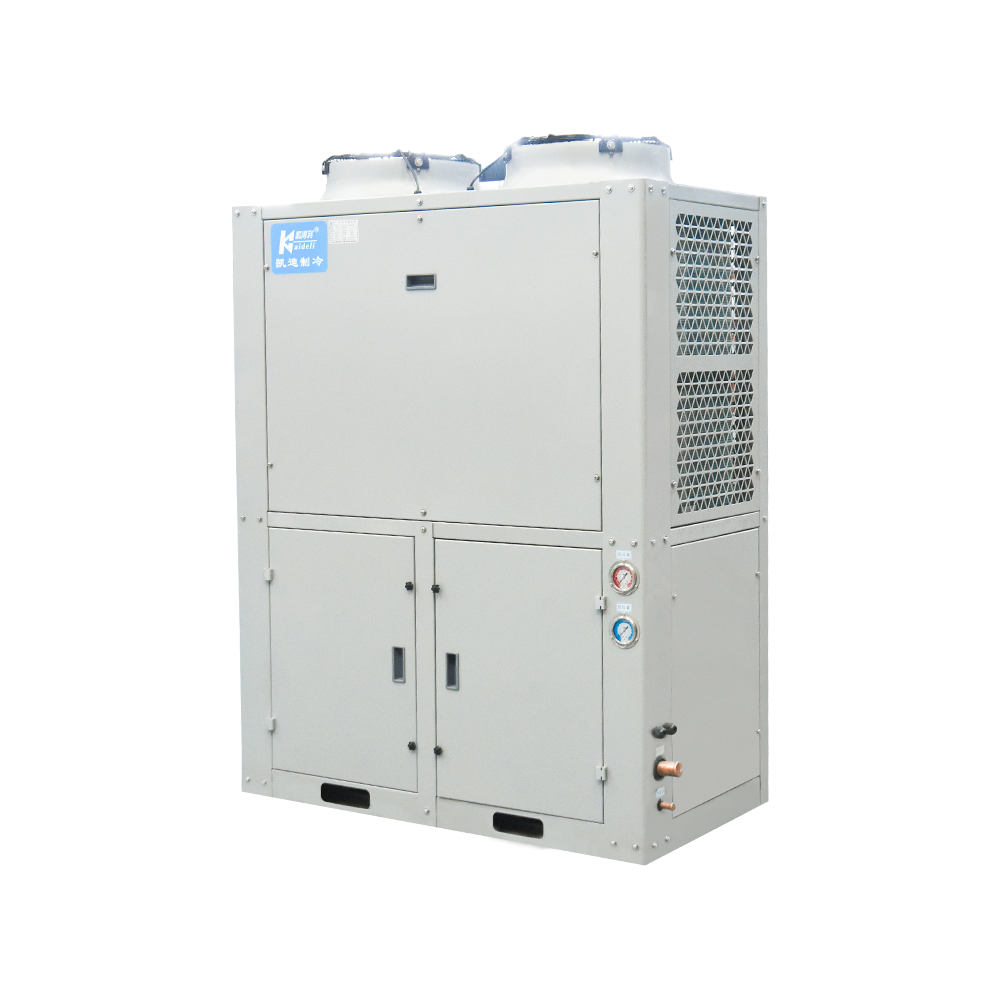
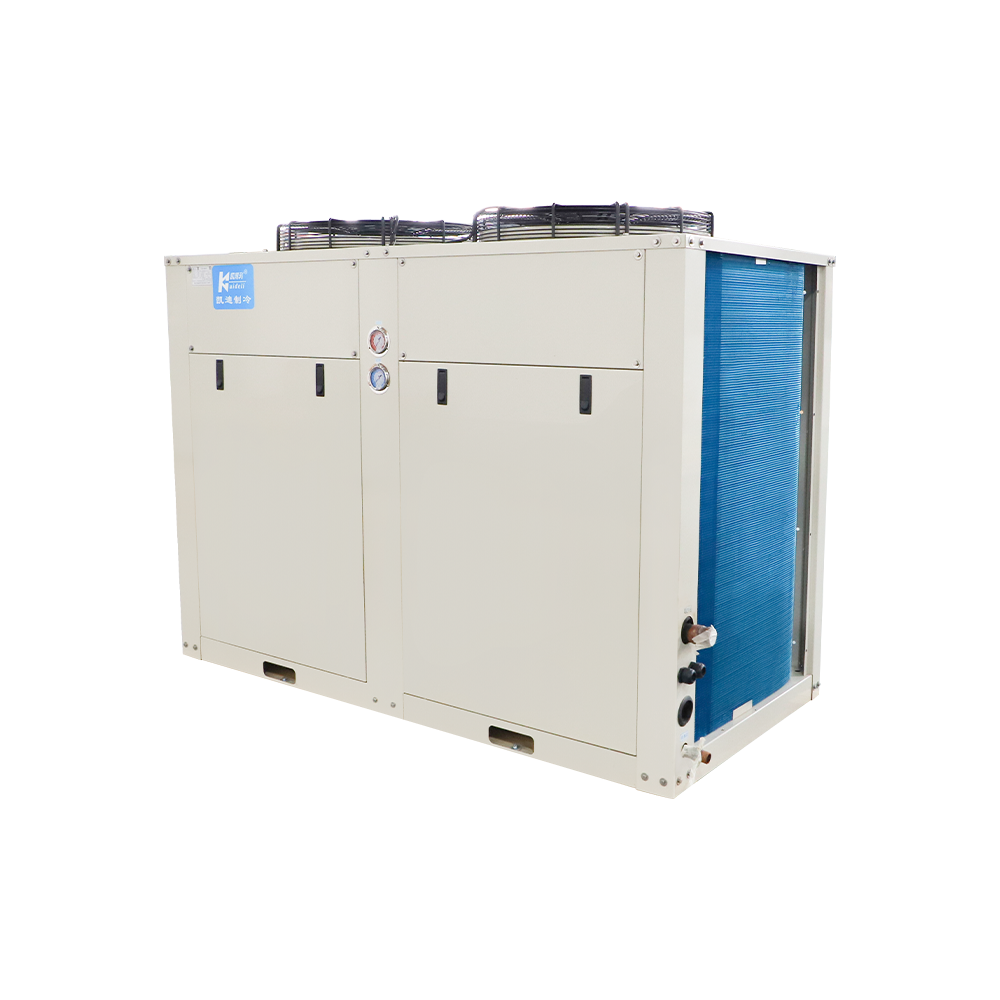
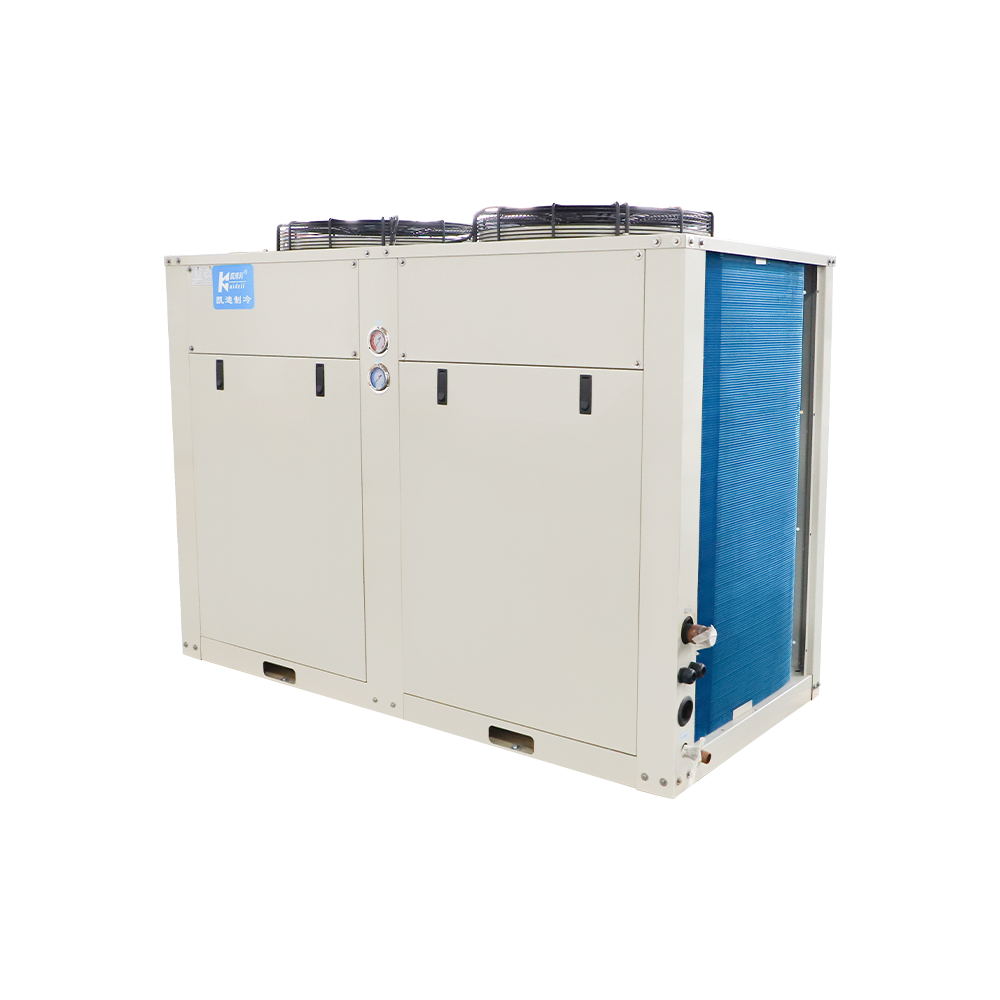
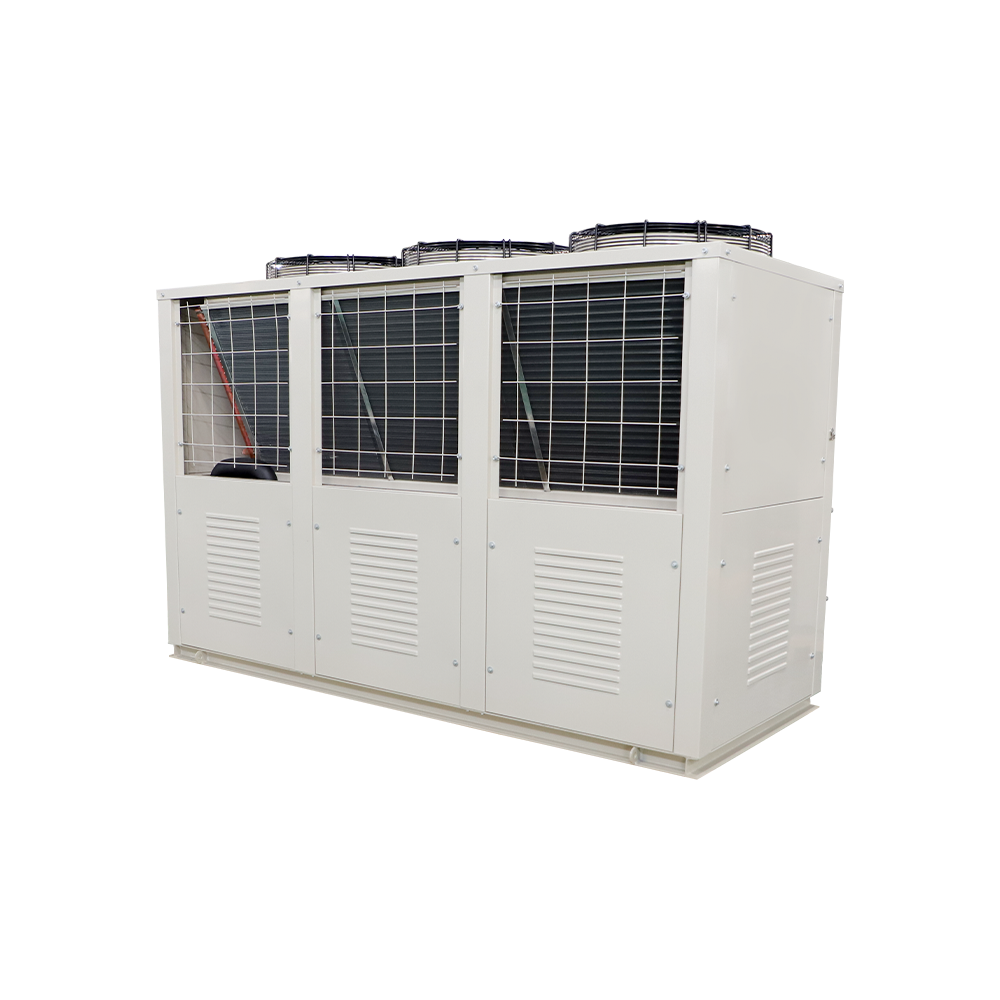
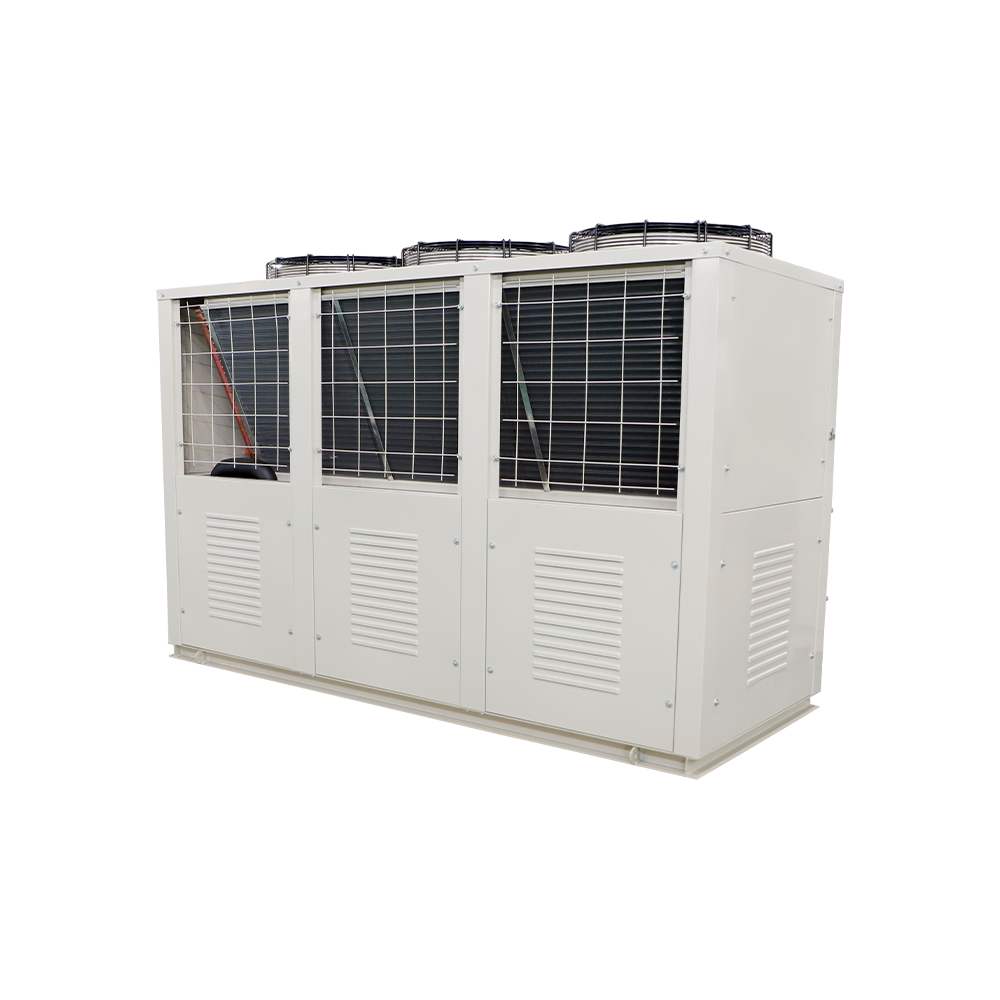
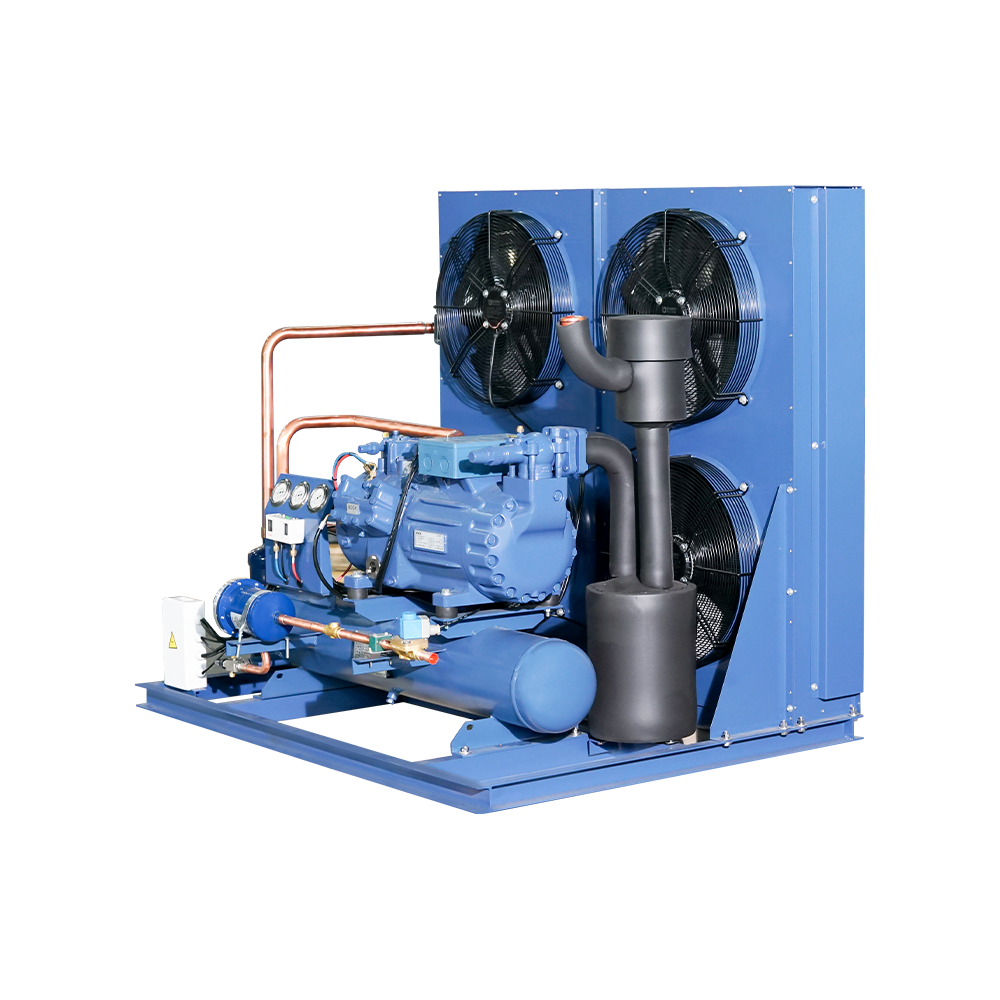
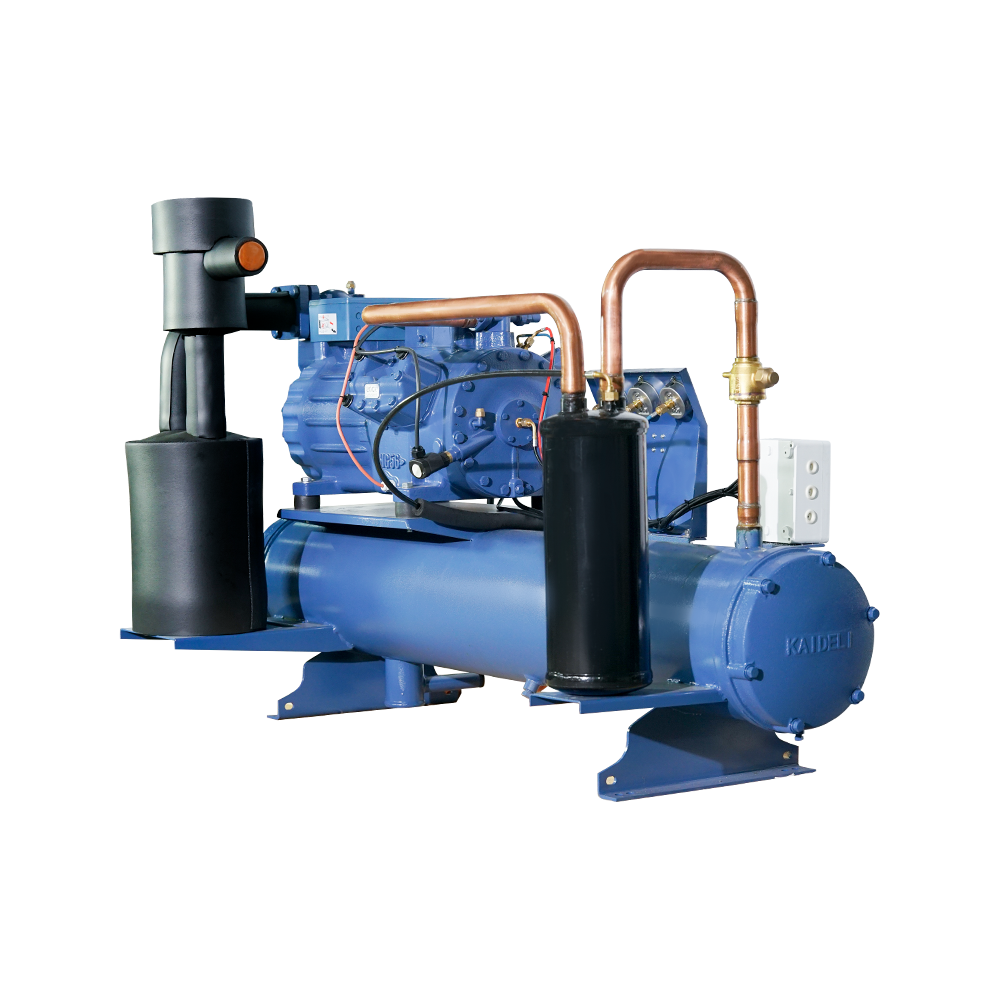
Box Type Condensing Unit is an integrated compact refrigeration equipment combining core components such as compressors, condensers and throttling parts. With its box-type integrated design, it features stable operation, high energy efficiency, easy installation and maintenance, and can widely meet the cold source needs of industrial production, agricultural planting and commercial circulation. As an enterprise focusing on the refrigeration industry for nearly 30 years, Zhejiang Kaidi Refrigeration Equipment Co., Ltd (hereinafter referred to as "Kaidi Refrigeration") has further improved the adaptability and durability of its Box Type Condensing Unit through precision pipeline design and accurate component matching, while maintaining the core advantages of the product category.
1. Core Product Principles
The refrigeration cycle of Box Type Condensing Unit follows the classic vapor compression principle, with the core process divided into four steps:
- The compressor sucks in the low-pressure superheated refrigerant vapor discharged from the evaporator, and compresses it into high-temperature and high-pressure vapor, which is the power core of the refrigeration system;
- The high-temperature and high-pressure vapor enters the condenser, exchanges heat with the cooling medium (air or water) through the integrated heat exchange structure in the box, and condenses into saturated or subcooled liquid;
- The liquid refrigerant is throttled and depressurized by the throttle valve to become a low-pressure and low-temperature gas-liquid mixture;
- The mixture enters the evaporator to absorb heat from the cooled medium and vaporize, and then is sucked into the compressor to complete the cycle, continuously providing cold sources.
Kaidi Refrigeration's Box Type Condensing Unit adopts internationally renowned brand semi-hermetic screw compressors and high-efficiency shell-and-tube heat exchangers, matched with well-known brand electrical components such as Schneider. Through the intelligent control technology optimization of the Shanghai Hongqiao R&D Center, it realizes the adaptive adjustment of refrigerant flow and condensing fan speed, making the refrigeration cycle more efficient and stable.
2. Core Performance and Product Highlights
2.1 Common Core Performance
- Compact structure: The box-type integrated design greatly reduces the occupied space, facilitating flexible layout in various scenarios such as factory buildings and cold storage machine rooms;
- Excellent energy efficiency: By optimizing the ratio of compressors and condensers, most products meet the first-class energy efficiency standard, which can significantly reduce energy consumption costs during long-term use;
- Strong stability: The closed box effectively isolates external dust and corrosive gases. The equipment is pre-commissioned before leaving the factory, and can be started only by simple wiring and pipe connection on site.
2.2 Exclusive Highlights of Kaidi Products
- Customized adaptation: It can provide multiple specifications and models from 35 HP high-temperature type to 50 HP low-temperature type according to different working condition requirements, adapting to different scenarios such as food processing and cold chain logistics;
- Environmental protection and energy saving: It supports a variety of refrigerants such as R22 and carbon dioxide. Among them, the carbon dioxide unit has achieved a dual breakthrough in environmental protection and energy efficiency, helping the industry's green transformation;
- Intelligent management and control: Equipped with an Internet of Things intelligent main board, it supports mobile phone remote monitoring and automatic hot gas defrosting function, with small storage temperature fluctuation and reduced manual intervention costs;
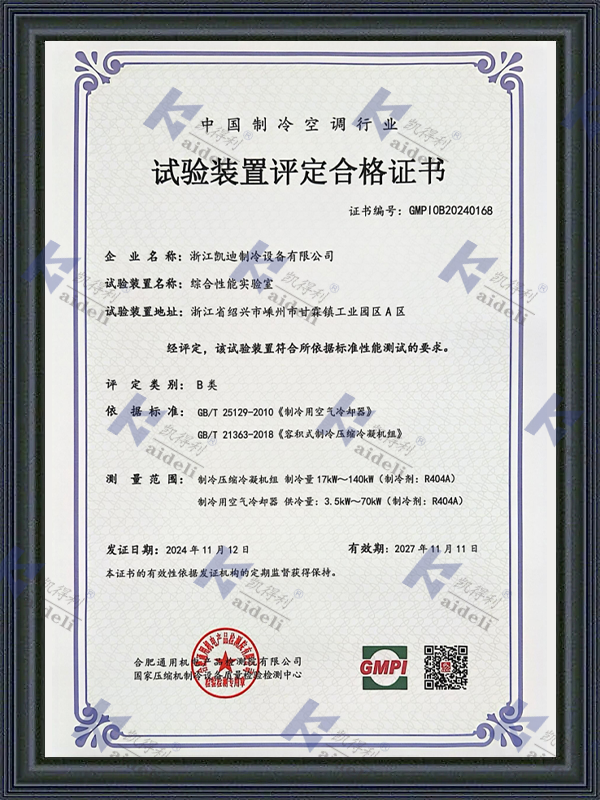
- Quality certification: The full range of products has passed CQC China Quality Certification. According to the calculation of the enterprise's high-standard laboratory, the electricity cost can be saved by more than 27,000 yuan within an 8-year service cycle.
3. Application Case Scenarios
The applicable scenarios of Box Type Condensing Unit cover multiple fields such as industry, agriculture, commerce and medicine. Kaidi Refrigeration's products have been applied in many well-known enterprises:
- Cold chain logistics: It provides stable cold sources for cold chain warehousing centers of enterprises such as GLP, SF Express and JD.com, ensuring the low-temperature environment of fresh and pharmaceutical products during storage and transportation;
- Food processing: It is adapted to the production workshops of enterprises such as Wufeng, Holliday, Ligao and Qingmei, meeting the refrigeration needs of meat slaughtering, dairy product processing and baking raw material storage;
- Agricultural planting: It serves edible fungi factories such as Xiangru Biological and Guiwang, accurately controlling the temperature and humidity of the planting environment, and helping the standardized cultivation of fungi;
- Pharmaceutical industry: It provides constant temperature refrigeration solutions for the pharmaceutical warehousing facilities of enterprises such as Shanghai Pharmaceuticals and China National Pharmaceutical Group, complying with the strict standards of the pharmaceutical cold chain.
4. Detailed Product Comparison
| Comparison Dimension |
Box Type Condensing Unit |
Split-type Condensing Unit |
Advantages of Kaidi Box Type Condensing Unit |
| Structure Form |
Integrated box-type design with integrated core components |
Compressor and condenser installed separately |
Small occupied space and flexible deployment |
| Installation Difficulty |
Pre-commissioned before leaving the factory, only on-site wiring and pipe connection are required |
Professional team is needed for pipeline connection and commissioning |
Installation cycle is shortened by 50%, reducing engineering costs |
| Energy Consumption Level |
Mainly first-class energy efficiency with low system loss |
Long pipelines lead to large cooling capacity loss |
Annual power saving rate reaches 10%-20% |
| Maintenance Cost |
Box-type structure facilitates maintenance with low risk of refrigerant leakage |
Many interfaces lead to high leakage probability |
Maintenance frequency is reduced by 30%, lower after-sales costs |
| Applicable Scenarios |
Small and medium-sized cold storage, workshops and logistics warehousing |
Large-scale refrigeration systems and special layout scenarios |
Adaptable to multiple scenarios, especially suitable for small and medium-sized enterprises |
5. Maintenance Guidelines
5.1 Daily Maintenance Points
- Regular cleaning: Air-cooled units need to clean the dust on condenser fins monthly; water-cooled units need to regularly check the quality of cooling water to avoid scaling affecting heat exchange efficiency;
- Oil management: The refrigerating oil should be replaced in stages 1 week, 15 days and half a year after installation and commissioning; the refrigerating oil should be supplemented in time after compressor maintenance;
- Pressure inspection: Observe the high and low pressure of the system weekly to ensure it meets the operating standards corresponding to the refrigerant (e.g., the high-pressure protection value of R22 refrigerant is usually 2.4MPa);
- Component inspection: Check the operation status of crankcase heaters, solenoid valves, high and low pressure controllers and other components monthly, and handle abnormalities in a timely manner.
5.2 Regular Maintenance Cycle
| Maintenance Cycle |
Core Content |
| Daily |
Check operation noise, control panel parameters and signs of leakage |
| Monthly |
Clean the condenser and check the tightness of electrical wiring |
| Quarterly |
Detect refrigerant charge and replace the drying filter (if there is a temperature difference between the two ends) |
| Annual |
Conduct a comprehensive disassembly inspection of the compressor and heat exchanger, and calibrate the accuracy of control components |
5.3 Maintenance Under Special Working Conditions
- Shutdown in winter: The water in the condenser of water-cooled units should be drained to avoid freezing and damaging the equipment;
- Long-term shutdown: Close the liquid outlet valve of the liquid receiver, start the compressor to collect the refrigerant into the condenser or liquid receiver, and then close the suction valve;
- Restart requirements: After shutdown for more than 72 hours, the crankcase heater should be preheated for 8-12 hours before starting to prevent compressor damage.
Kaidi Refrigeration has set up multiple service outlets nationwide, providing professional on-site maintenance services. At the same time, it can assist users in troubleshooting basic faults through the remote system, ensuring the long-term stable operation of the equipment.
6. Frequently Asked Questions (FAQ)
1. What is the applicable cooling capacity range of Box Type Condensing Unit?
Box Type Condensing Unit's conventional models cover cooling capacity ranges from small and medium-sized to large-scale scenarios. Kaidi Refrigeration's products can provide different specifications from 35 HP to 50 HP. For special working conditions, customized design can meet the demand for larger cooling capacity, adapting to cold storage and production workshops ranging from tens of cubic meters to thousands of cubic meters.
2. What should I do if the condensing temperature is abnormally high during equipment operation?
First, check whether the flow rate of the cooling medium is sufficient (check the fan speed for air-cooled type and the water pump operation for water-cooled type); second, check whether air is mixed into the system or the refrigerant charge is excessive; finally, check whether the condenser is scaled or blocked, and clean it if necessary. Kaidi Refrigeration's intelligent units can automatically warn of abnormal temperature through the remote monitoring system, and the after-sales team can provide real-time troubleshooting guidance.
3. How to avoid liquid return during the operation of Box Type Condensing Unit?
Liquid return will cause liquid-carrying start of the compressor, leading to foaming of lubricating oil and even liquid hammer damage. Avoidance methods include: selecting a suitable expansion valve and setting the superheat correctly, regularly cleaning the frost on the evaporator, ensuring the normal operation of the fan; all Kaidi's products are equipped with gas-liquid separators, which can effectively separate the incompletely evaporated liquid refrigerant and reduce the risk of liquid return from the source.
4. How to select a Box Type Condensing Unit suitable for my own scenario?
It is necessary to consider factors such as cooling capacity demand, operating temperature range (high-temperature/low-temperature working conditions), installation space size, and refrigerant environmental protection requirements. Kaidi Refrigeration's pre-sales technical team can provide free scheme design, customize suitable models according to the user's production scale and scene layout, and ensure the balance between refrigeration effect and energy saving.



 English
 中文简体
中文简体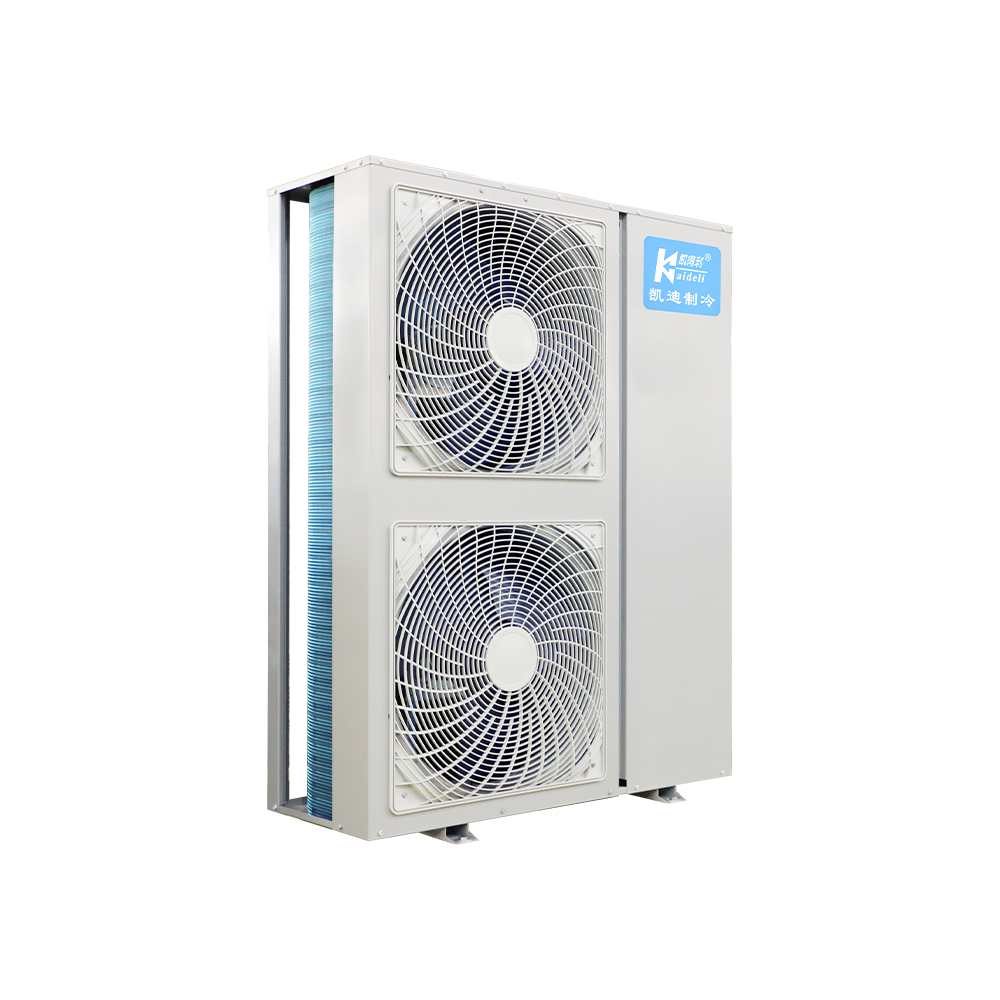







 23 Mar,2026